Last updated 29.8.2026
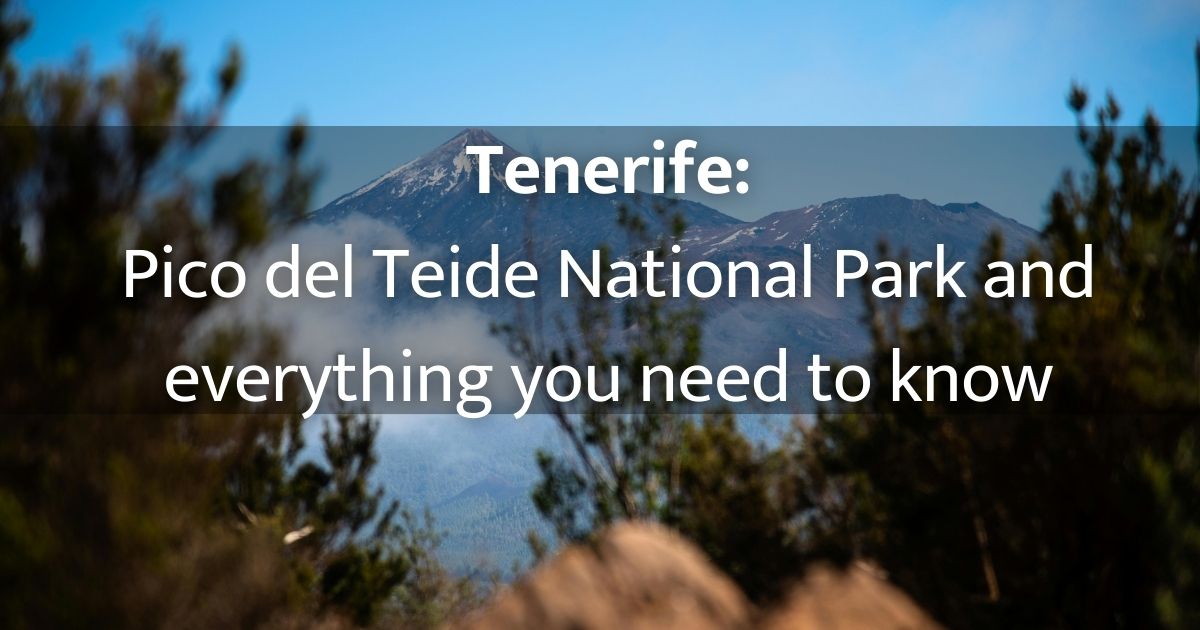
Are you as obsessed with volcanoes as we are? Pico del Teide was the very first volcano we ever experienced together on our first big trip. Rising dramatically from the heart of Tenerife, the largest of Spain’s Canary Islands off the northwest coast of Africa, Pico del Teide is both the island’s natural icon and the highest peak in Spain at 3,715 meters above sea level. How do you get there, how do you secure a summit permit, and how much does it cost?
Why Pico del Teide Is Absolutely Worth Visiting
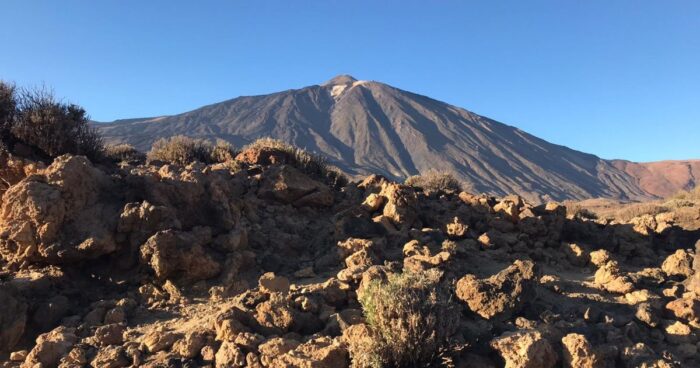
Pico del Teide is not just another mountain — it’s a landscape that feels almost unreal. Geologically, it’s part of a twin volcanic system made up of Pico del Teide and the neighboring Pico Viejo (3,134 m), both rising from the vast Las Cañadas caldera. This enormous crater forms a natural amphitheater, encircled by towering walls and surrounded by surreal volcanic terrain. Lava flows, ash fields, and multicolored rock formations create an almost Martian atmosphere. Standing here truly feels like stepping onto another planet.
Quick Facts at a Glance
If you’re packing your suitcase and just need the essentials, here’s what matters most. The key is to book your summit permit well in advance. Visiting Pico del Teide isn’t something you should leave to chance. Without a permit, you won’t be allowed to access the final 160 vertical meters to the summit, and without a cable car reservation, you may face long lines with no guarantee of getting a ticket.
- Permit: A free permit is required for the final 160 meters to the summit. These are often fully booked months in advance.
- Cable Car: Takes you from 2,356 m to 3,555 m. Book online ahead of time — tickets frequently sell out.
- Clothing: It might be 25°C at the beach, but near the summit temperatures can drop below freezing with strong winds.
- Physical Difficulty: Hiking the full route on foot is a demanding full-day ascent with over 1,300 meters of elevation gain.
Where to Stay Near Teide
Staying directly on the summit isn’t possible, of course. But if you’re planning an early start or a full hiking ascent, it makes sense to stay close to Teide National Park.
- Parador de Las Cañadas del Teide – the only classic hotel located directly inside the national park. Ideal if you want a head start and to experience the peaceful volcanic landscape at sunrise.
- Casa Tajinastes del Teide – accommodation near the park, perfect as a base for exploring the area and starting your ascent early.
- Refugio Altavista – a mountain refuge for those who want to split the hike into two days. Booking well in advance is highly recommended.
Aktuálne ceny a dostupnosť si porovnajte cez ponuku ubytovania na Tenerife.
Climbing Teide and the Summit Permit
If reaching the summit of Teide is on your bucket list, the permit is essential. The national park strictly limits the number of visitors allowed on Trail No. 10 (Telesforo Bravo) to protect the fragile ecosystem and ensure safety around sulfur-emitting vents. Permits are issued for specific two-hour time slots and are checked by park rangers above the upper cable car station together with your ID.
- Where to get it: Only through the official national parks website (reservasparquesnacionales.es).
- Cost: The permit is completely free — which is exactly why they disappear so fast.
- When to book: Ideally 3–4 months in advance. During peak season, slots fill up extremely quickly.
- If it’s sold out: Try booking an organized tour through certified agencies (e.g., Volcano Teide), which have their own visitor quotas. Or simply explore the crater viewpoints — still absolutely worth it.
How to Get to Pico del Teide and Teide National Park
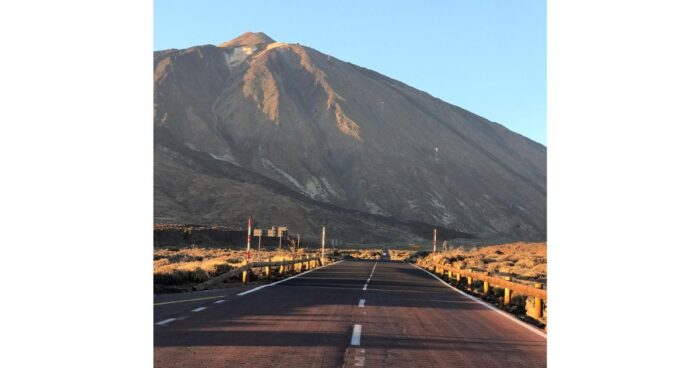
The most convenient way to reach Teide is by rental car (we usually book through Booking, where we get discounts). The drive itself is part of the experience: you gradually pass through different vegetation zones until you reach the volcanic desert landscape. The TF-21 road is most commonly used and passes by the lower cable car station and main trailheads. Parking lots near the cable car and surrounding areas are free, but they fill up quickly in peak season, so arriving early is recommended.
TIP: Lanzarote: What to see + 20 most beautiful places on the entire island
Getting to Teide Without a Car
If you don’t have a car, you can use public buses, but expect limitations. Only two lines operate in the area, usually once per day (morning outbound, afternoon return): Line 342 from the south (Los Cristianos, Costa Adeje) and Line 348 from the north (Puerto de la Cruz, La Orotava). Alternatively, you can join an organized tour, which is practical if you don’t want to deal with logistics, parking, or cable car availability.
3 Ways to Reach Pico del Teide
There are several ways to approach the summit, and each offers a completely different experience. While the cable car focuses on comfort and views, hiking allows you to fully absorb the volcanic atmosphere. Choose your route according to your fitness level.
- By Cable Car: The ride takes about 8 minutes and saves most of the elevation gain. The upper station (La Rambleta) is a great starting point for short walks to viewpoints.
- Classic Route from Montana Blanca: The most popular hiking route (Trail No. 7). It’s about 8.5 km one way and involves over 1,300 meters of elevation gain. Expect 5–7 hours of demanding hiking.
- Night Hike for Sunrise: A popular option for those without a permit. If you reach the summit gate before 9:00 a.m. (before the cable car operates and checks begin), you can legally climb to the crater without a permit. However, you must start hiking at night with a headlamp.
Practical Info: Prices, Entry & Parking
Visiting Teide National Park requires preparation you might not expect from a beach destination. At over 3,000 meters, the air is thinner, UV radiation is stronger, and weather conditions can change quickly. Prices may vary over time, so consider them approximate. Always aim to arrive early — the main cable car parking lot is often full by 10 a.m.
- Cable Car Prices: Round-trip ticket approximately €40 for adults, one-way around €22.
- Equipment & Footwear: Proper hiking shoes are mandatory (rangers may deny access otherwise). Bring a windproof jacket, hat, and gloves — even in summer.
- Hydration & Food: There is no restaurant at the summit. Bring at least 2 liters of water per person and energy snacks.
- Parking: Main parking is at the cable car station, with additional spaces at Montana Blanca. Both are free but limited.
TIP: Fuerteventura: What to See + 30 Most Beautiful Places
Visiting Pico del Teide with Children
Visiting with children is possible but requires common sense. High altitude may cause nausea or headaches in younger children, as their bodies adapt more slowly. The cable car gains over 1,000 meters in just minutes, which can be a shock for the body. Older kids who love adventure will find the volcanic landscape unforgettable.
History of Eruptions and the Formation of Las Cañadas Caldera
The present shape of the massif is the result of a long history of volcanic activity. Around 150,000 years ago, a massive eruption likely formed the Las Cañadas caldera at around 2,000 meters elevation. The caldera stretches approximately 15 km east–west and 10 km north–south, forming the vast basin from which Teide and Pico Viejo later rose.
The most famous historical eruption occurred in 1706, when lava flows destroyed much of the port of Garachico on Tenerife’s northern coast. The most recent volcanic activity on the slopes was recorded in 1909, when lava flowed about 5 kilometers down the northwest flank.
When to Visit Teide
Teide National Park can be visited year-round, but spring and autumn are generally the most pleasant seasons. You’ll avoid the largest crowds and extreme summer heat while enjoying stable visibility. In summer, expect intense sun and minimal shade; in winter, colder temperatures, strong winds, and occasional snow.
What to See Around Teide
- Los Roques de García – iconic rock formations in the caldera.
- Paisaje Lunar – “Moon Landscape” with unique volcanic shapes.
- Cueva del Viento – one of Tenerife’s most fascinating lava tunnels.
- Chinyero Volcano – site of Tenerife’s most recent historical eruption.
- El Drago Milenario – the famous ancient dragon tree.
- Garachico – historic town shaped by lava flows.
What Would We Do Differently?
We drove to Pico del Teide right after breakfast from Puerto de la Cruz, which was quite a distance. If we did it again, we’d allow much more time and stay closer to the park to explore it more thoroughly.
How do you get to Pico del Teide?
You basically have two main options: hike all the way up on foot or take the cable car. In both cases, your journey begins by reaching the central caldera of Teide National Park by car or bus. The cable car parking area sits at 2,356 meters above sea level, and this is where you decide — step into the cabin and save your legs, or put on your backpack and start climbing.
How long does it take to hike Teide?
This depends largely on your fitness level and pace. The main route from Montana Blanca is just under 10 km one way, but don’t underestimate it — the elevation gain is around 1,200 meters. For an average hiker, the ascent usually takes 4 to 5 hours. The trail itself isn’t technically difficult, but above 3,000 meters the air becomes noticeably thinner, so you will get out of breath much faster.
What exactly is Pico del Teide?
Although mainland Spain has high mountain ranges like the Pyrenees, Pico del Teide rises above them all at 3,718 meters. It is the highest mountain in Spain and the third tallest volcano in the world when measured from its base on the ocean floor, reaching nearly 7,000 meters in total height. For locals, it’s a symbol of the island; for travelers, it’s a place that truly shows the power and scale of nature.
Can you visit Pico del Teide without a car?
Yes, but it requires planning. Green TITSA buses run from popular tourist areas — Line 342 from the south and Line 348 from Puerto de la Cruz in the north. However, they typically operate only once per day in each direction, so make sure you watch the schedule carefully. Hitchhiking is also relatively common in Tenerife, and other travelers are often willing to give you a ride to the cable car station.
Potřebujete pomoct s cestováním?
-
Ubytování 🏨
Vyberte si to nejlepší ubytování, ať už jste kdekoliv, přes Booking.com. -
Půjčení auta 🚗
Auto si snadno najdete přes Booking.com, kde máte často slevu díky ubytování, nebo Rentalcars.com, kde porovnáte nabídky většiny půjčoven. -
Zážitky 🎟️
Přes GetYourGuide.com si vyberete z nejrůznějších výletů i zážitků po celém světě, navíc se zrušením zdarma do 24 h předem.