Last updated 5.11.2026
Cyprus is a single island, yet it feels like two very different worlds: the north, with its strong Turkish influence, and the modern south, which sits comfortably within the European Union. It’s the southern half that’s home to the island’s loveliest beaches, its busy international airports and a fascinating blend of Greek, British and Levantine culture. For anyone after an easy-going destination with dependable service, a real sense of safety and warm Mediterranean sun, southern Cyprus is hard to beat.
A holiday in southern Cyprus is about far more than lazing by the sea. This is a place where thousands of years of history rub shoulders with lively modern life, so you get relaxation, quality and authenticity all in one spot — from the UNESCO-listed Roman mosaics of Paphos to the Blue Flag turquoise bays around Ayia Napa. Thanks to the euro, English spoken almost everywhere and a genuinely generous welcome, it strikes a perfect balance between the exotic and the effortless.
North and South Cyprus: how the island is divided
Before you start planning a summer holiday in Cyprus, it helps to understand the island’s political and geographical backstory. Cyprus has been split into two parts since 1974. The southern part, officially the Republic of Cyprus, has been a full member of the European Union since 2004. The euro is used here, EU law applies, and the country is internationally recognised as a sovereign state.
The north, by contrast, is recognised only by Turkey and operates separately, which means different entry rules, infrastructure and guarantees. The practical upshot for holidaymakers is simple: choose the south and you’ll land at internationally recognised airports, enjoy full EU consumer protection and stay in accommodation held to a high standard. That’s why this guide sticks firmly to the south, where a carefree, European-style holiday awaits.
Ayia Napa: from party town to family favourite by the sea
Plenty of people still picture Ayia Napa as the “Ibiza of the east” and little more than a nightlife hub. The clubbing scene here is indeed legendary, but the town has changed enormously in recent years. These days Ayia Napa markets itself as a first-rate destination for families, with the party zone kept geographically well apart from the quieter hotel districts where you go to unwind.
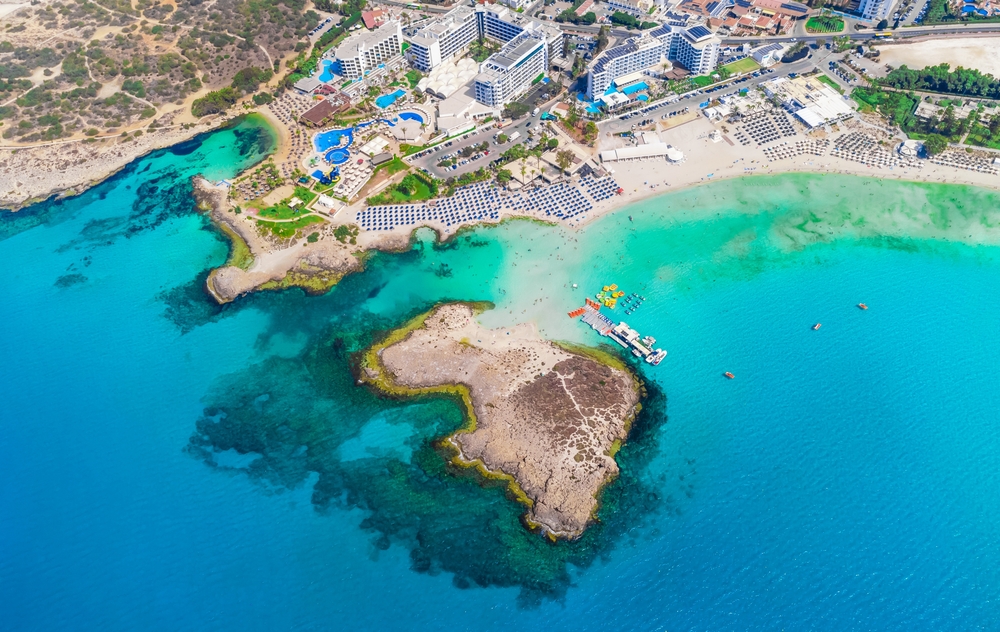
Nissi Beach is regularly named one of the most beautiful beaches in all of Europe. This wide, crescent-shaped bay will stop you in your tracks with its soft golden sand and astonishingly turquoise water that wouldn’t look out of place in the Caribbean. The sea is shallow here, the waves gentle and the entry into the water reassuringly gradual, which makes it ideal for families with little ones. Its trademark is the small islet just offshore, easily reached across the shallows at low tide.
Divers and snorkellers have a genuine world first to look forward to: MUSAN, the Museum of Underwater Sculpture Ayia Napa. This intriguing gallery of statues and art installations was created specifically for snorkellers and divers, and it doubles as an artificial reef that encourages marine life to flourish. If you’d rather something more low-key, Limnara Beach — often called Kermia — offers crystal-clear water and a far calmer atmosphere than the bustling centre, perfect for families in search of undisturbed rest.
Protaras: the calmer alternative made for families
Just 10 kilometres or so north of Ayia Napa lies the resort of Protaras. Where Ayia Napa bursts with energy, Protaras is its calmer, more relaxed and rather more elegant sibling. Expect long seafront promenades, smaller family-run resorts and beaches that look like they’ve been lifted straight from a travel brochure.
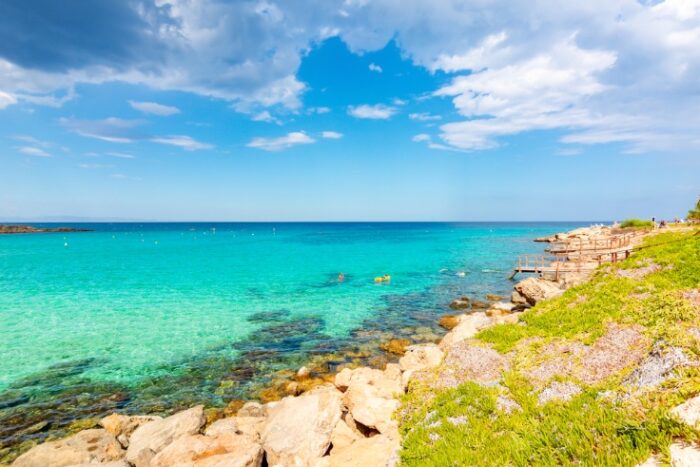
The region’s most famous beach is, without question, Fig Tree Bay, which turns up time and again on lists of the world’s finest beaches. It takes its name from a solitary fig tree that has stood here since the 17th century. The calm turquoise water, soft sand and safe, gentle depth make this bay a real haven for non-swimmers and children.
Nature lovers shouldn’t miss Cape Greco National Park. This protected headland serves up dramatic coastal scenery, limestone cliffs, sea caves and lovely walking trails, and it’s a superb spot for snorkelling and watching the sun go down. Nearby Pernera Beach rounds things off with a quieter setting, excellent tavernas and remarkably clear water — ideal for a full day by the sea.
Paphos: history, archaeology and the authentic face of Cyprus
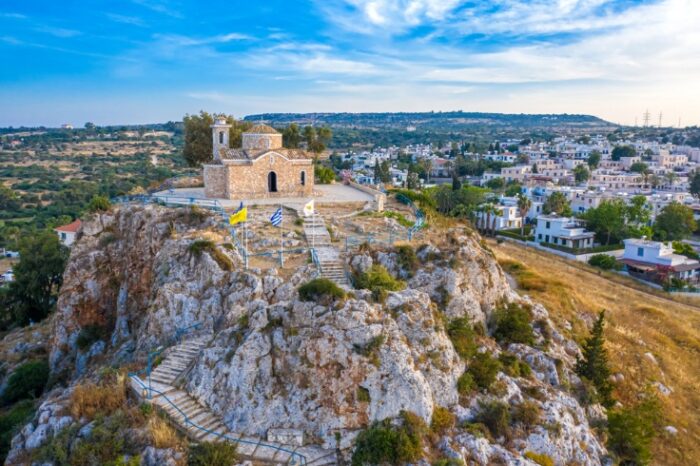
Paphos, on the west coast, offers a completely different kind of trip from the eastern resorts. Instead of sprawling stretches of beach, here it’s a blend of history, archaeology and traditional Cypriot atmosphere that takes centre stage. The whole town is deservedly inscribed on the UNESCO World Heritage list.
In the Paphos Archaeological Park you can admire remarkably well-preserved Roman floor mosaics from the 2nd to the 5th century AD, still sitting exactly where they were laid. A short walk away are the Tombs of the Kings, an imposing underground necropolis carved straight into solid rock. No kings were actually buried here, but the monumental architecture commands respect all the same.
No holiday in Cyprus would be complete without a stop at Petra tou Romiou, better known as Aphrodite’s Rock. According to legend, this photogenic rocky cove is the very spot where Aphrodite, goddess of love and beauty, rose from the sea foam. The mood of the town is completed by the medieval castle by the harbour and a promenade lined with restaurants, where the pace is gentler than in the modern resorts of the east. Paphos is perfect for anyone who wants to combine swimming with a deeper cultural experience.
A practical guide to visiting southern Cyprus
Planning a Cyprus holiday for 2026 couldn’t be much easier. Here’s a quick round-up of the practical bits worth knowing before you go.
Most visitors fly into Larnaca International Airport (LCA), the main gateway to the eastern resorts of Ayia Napa and Protaras, while Paphos International Airport (PFO) is handy for the west of the island. Direct flights from across Europe make getting here refreshingly straightforward.
Cyprus enjoys one of the longest tourist seasons in the Mediterranean, comfortably running from April right through to November. May, June, September and October are widely considered the sweet spot, when the weather is settled, daytime temperatures sit around 25 to 30 °C and the sea is pleasantly warm. Those months also bring friendlier prices and fewer crowds than peak season. July and August, on the other hand, are for lovers of serious heat: air temperatures often climb above 35 °C and the sea can reach 28 °C.
The south uses the euro, and thanks to its British history Cyprus is one of the most welcoming Mediterranean destinations for English-speaking visitors. Greek is the official language, but you’ll be understood in English almost everywhere, which makes independent day trips a breeze. One British legacy that catches people out is driving on the left — worth remembering if you plan to hire a car. The roads are in very good condition and clearly signposted, and getting behind the wheel really is the best way to explore the interior and the hidden little villages.
Southern Cyprus confirms its place as one of the most rewarding destinations in the Mediterranean. It manages to combine the reassurance of the European Union, a high standard of service and an exotic atmosphere steeped in thousands of years of history. Whether you’re drawn to the turquoise bays of Protaras, the underwater galleries of Ayia Napa or the ancient sites of Paphos, every corner of the island offers something a little different but always authentically its own.
It’s exactly this variety, paired with dependable infrastructure, that makes Cyprus a place travellers love to return to. Your journey to discover the pearl of the Mediterranean begins in the south.
Frequently Asked Questions (FAQ)
What is there to see in southern Cyprus?
There’s a wonderful mix. Start with the UNESCO-listed Roman mosaics and the Tombs of the Kings in Paphos, then swim at the turquoise Nissi Beach in Ayia Napa or Fig Tree Bay in Protaras. Don’t miss Aphrodite’s Rock, the wild trails of Cape Greco National Park and the ancient Greco-Roman city of Kourion near Limassol.
Is southern Cyprus safe to visit?
Yes. The Republic of Cyprus has been a full member of the European Union since 2004, so you’ll benefit from EU law, the euro and full consumer protection. It’s regularly rated among the safest countries in the Mediterranean, with low crime and a genuinely warm welcome for visitors.
When is the best time to visit southern Cyprus?
The season runs from April to November. May, June, September and October are the sweet spot, with settled weather, temperatures around 25 to 30 °C, a warm sea, lower prices and fewer crowds. July and August are hotter still, often topping 35 °C, which suits sun-worshippers who don’t mind the heat.
Which resort should I choose in southern Cyprus?
It depends on your mood. Ayia Napa blends lively nightlife with family-friendly beaches, Protaras is the calmer, more elegant choice for families, and Paphos is perfect if you want history and a gentler pace. Larnaca makes a handy base near the main airport, while Limassol is the buzzing cosmopolitan hub.
Do you need a car to explore southern Cyprus?
Not for a beach-based holiday, but hiring a car is the best way to reach the Troodos Mountains, quiet inland villages and out-of-the-way coves. Just remember Cypriots drive on the left, a legacy of British rule. The roads are in excellent condition and clearly signposted, so getting around is easy.
Potřebujete pomoct s cestováním?
-
Ubytování 🏨
Vyberte si to nejlepší ubytování, ať už jste kdekoliv, přes Booking.com. -
Půjčení auta 🚗
Auto si snadno najdete přes Booking.com, kde máte často slevu díky ubytování, nebo Rentalcars.com, kde porovnáte nabídky většiny půjčoven. -
Zážitky 🎟️
Přes GetYourGuide.com si vyberete z nejrůznějších výletů i zážitků po celém světě, navíc se zrušením zdarma do 24 h předem.