What to See in Sicily: 30+ Best Places, Beaches and Tips
Last updated 5.11.2026
Ancient Greek temples and a live volcano, turquoise coves and honey-coloured Baroque towns, a near-desert south and citrus groves in the north. Sicily packs in so many different landscapes that a single road trip can feel like several islands rolled into one. You can drive the whole way from Palermo to Taormina and come home with your head full of ideas. In this guide we share what to see in Sicily, when to go, how to get around and where to stay, from cities and beaches to nature and the great ancient sites.
No time to read the whole thing? Here’s a quick rundown of the very best of Sicily, sorted by the kind of holiday you’re after.
Cities and History
Palermo — a chaotic capital full of contrasts, with the Teatro Massimo, the Quattro Canti and buzzing street markets.
Syracuse and Ortigia (UNESCO) — Baroque lanes, a cathedral built on a Greek temple and a vast archaeological park.
Taormina — a picture-postcard town with an ancient theatre and views over both the sea and Mount Etna.
Cefalù — a Norman cathedral and the climb up La Rocca for a sweeping panorama.
Agrigento — the Valley of the Temples (UNESCO) — one of the largest archaeological sites in the Mediterranean, with the best-preserved Greek temples anywhere.
Ragusa and Modica (UNESCO) — the Baroque towns of the Val di Noto.
Beaches and Coast
San Vito Lo Capo — soft sand and turquoise sea, one of the loveliest beaches in Italy.
Mondello — Palermo’s city beach, with white sand and azure water.
Torre Salsa — a long, wild beach beneath white cliffs, with no sunbeds and no crowds.
Lido di Noto — clear-water coves and a laid-back atmosphere.
Isola Bella (Taormina) — a tiny island below Taormina, a paradise for snorkelling.
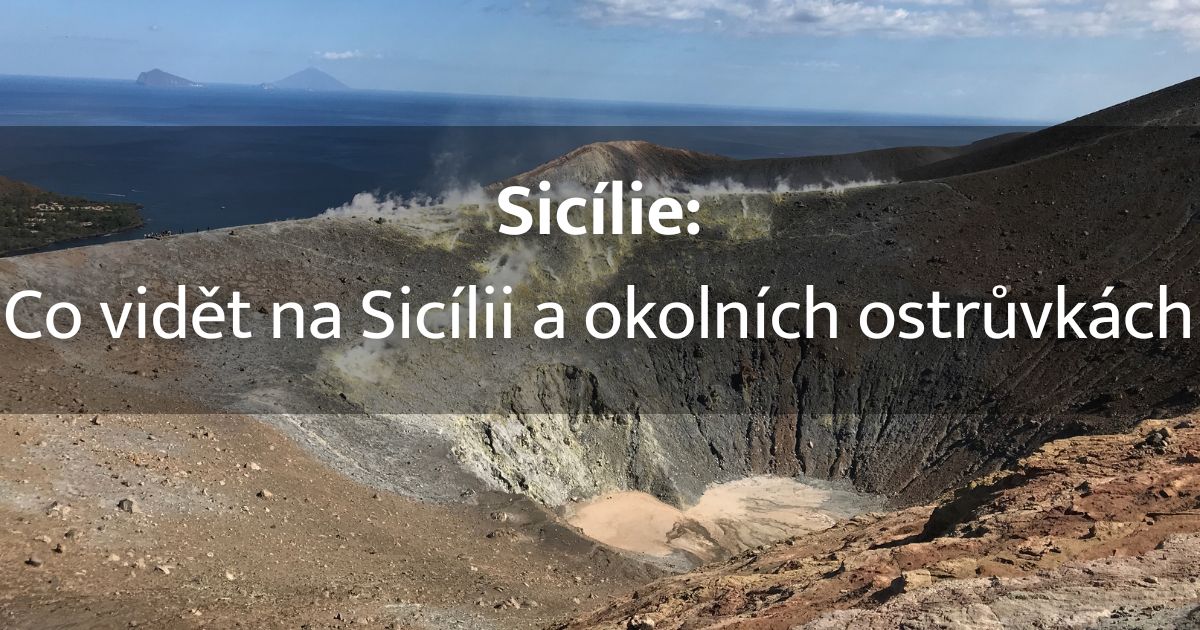
The Aeolian Islands (Stromboli, Vulcano) — black-sand beaches and a proper volcanic atmosphere.
Nature
Mount Etna — the highest active volcano in Europe, with a cable car up to around 2,500 m.
Zingaro Nature Reserve — Sicily’s first reserve, with coastal paths and turquoise coves.
Vendicari — a coastal reserve with lagoons, flamingos and wild beaches.
Scala dei Turchi — a dazzling white “staircase” of soft limestone above the sea.
The Alcantara Gorge — basalt walls and a wade through an ice-cold river.
The Aegadian Islands — Favignana, Levanzo and Marettimo: peace, snorkelling and hardly any crowds.
The Madonie and Nebrodi — mountainous, green Sicily with barely a tourist in sight.
Archaeology and Antiquity
Sicily has thousands of years of history behind it — it was home to the Greeks, the Romans, the Arabs and the Normans. All across the island you’ll come across ancient temples, medieval castles and Baroque gems.
The Valley of the Temples (UNESCO) — the Temple of Concordia is among the best-preserved Greek temples in the world.
Neapolis (Syracuse) — an archaeological park with the Ear of Dionysius and a Greek theatre.
Segesta — a lone Doric temple set among the hills.
Selinunte — one of the largest archaeological parks in Europe, with Doric temples above the sea.
Erice — a medieval town in the clouds above Trapani.
Villa Romana del Casale (UNESCO) — a Roman villa with the finest mosaics in Italy.
Why Visit Sicily, and Who It Suits
Sicily isn’t “just another” Mediterranean island. It’s a place built on contrasts — Greek antiquity meets Arab influences, Baroque façades stand a stone’s throw from volcanic craters, and busy cities give way to utterly empty coastline. You’ll find UNESCO sites, a very much active Etna, some of the finest beaches in Italy and food that will have you plotting a return trip. It’s exactly that variety that makes Sicily such a brilliant road-trip destination.
When to Go to Sicily — Weather and the Best Time to Visit
Sicily’s weather is classically Mediterranean — hot summers and mild winters. Mainly here for the swimming? Your safest bet is June to September, when the sea climbs to around 27 °C. Just be ready for heat of 30–35 °C, which can feel stifling in the cities and tiring when you’re sightseeing.
Our own favourite months are May, June, September and October. It’s pleasantly warm (22–30 °C), the sea is already (or still) swimmable, and there are far fewer tourists about. Spring rewards you with a countryside in bloom; autumn pairs a warm sea with temperatures that are kind on your legs when you’re out walking. Winter (around 12–17 °C) isn’t beach season, but it’s superb for exploring the towns without the crowds. You can swim roughly from May to October, and in warmer years for even longer.
Sea Temperature in Sicily
May: 18–21 °C
June: 21–24 °C
July: 24–26 °C
August: 26–27 °C
September: 24–26 °C
October: 22–24 °C
Air Temperature
May: 22–26 °C
June: 25–30 °C
July: 30–35 °C
August: 30–37 °C
September: 26–30 °C
October: 22–26 °C
How to Get to Sicily
The easiest option is to fly into Palermo or Catania. Both airports are well connected across Europe, including with the budget airlines. Palermo is handier for the west of the island, while Catania is the gateway to Etna and the east coast. If you want to cover more of Sicily, it’s well worth flying into one airport and out of the other — you’ll save time and pointless miles.
The other option is to drive down through Italy and take the ferry from Villa San Giovanni to Messina. The crossing runs very frequently and loading the car is painless. It makes sense if you’re combining Sicily with a road trip through mainland Italy.
TIP: 23 brilliant places for an early-season beach break in Europe
Hiring a Car in Sicily — How to Do It and What to Watch For
Without a car you’ll only really get to know one city in Sicily. Public transport exists, but it’s slow and won’t get you to places like Zingaro or the smaller beaches. Pick your car up right at the airport — that’s usually where you’ll find the widest choice and the most sensible prices.
Driving can be chaotic in places, especially in the big cities like Palermo or Catania. Out of town, though, it’s a breeze. We’d suggest a smaller car for the narrow lanes and easier parking, ideally with full insurance — the odd cosmetic scrape in a Sicilian car park is far from unheard of. You won’t need an international driving permit; a standard EU/UK licence is fine.
Petrol is pricier than at home, but distances aren’t huge. In towns you’ll often pay for parking in the blue zones (zona blu), and historic centres tend to have ZTL zones (Zona Traffico Limitato) where you can’t drive without a permit — the cameras will happily post the fine to your door.
Where to Stay in Sicily
Sicily offers everything from city flats and family-run guesthouses to rural agriturismi. Planning a road trip? Switch accommodation as you move between regions — it’s far more practical than doubling back hundreds of kilometres every day. Prices are pleasant, especially outside July and August, and you’ll often stumble on family B&Bs where the owners look after you beautifully.
For a beach holiday, smaller resorts like San Vito Lo Capo or Cefalù are ideal, while the historic cities — Syracuse, Taormina — are best for sightseeing. We give you specific, tried-and-tested places to stay beside each spot further down the article. You can search and compare here: accommodation in Sicily →.
The sea in Sicily is among the loveliest in Italy, though it varies from region to region. In the west and north you’ll mostly find sandy beaches that shelve gently, ideal for families with children. The east more often has pebble or rocky beaches, but with exceptionally clear water. The south is a mix of the two and tends to be less touristy.
For the most turquoise water, head for San Vito Lo Capo, the Zingaro reserve or the Aegadian Islands. The island’s volcanic origins show up in black sand, mainly around Etna and on the Aeolian Islands.
Palermo — the Beating, Contrast-Filled Heart of Sicily
Palermo is the capital of Sicily and one of the most authentic cities in all of Italy, so it’s absolutely one of the things you simply have to see in Sicily. First impressions can be chaotic, even a little rough around the edges, but give it time and its energy will win you over. The historic centre is one of the largest in Europe and is crammed with monuments, markets and hidden corners.
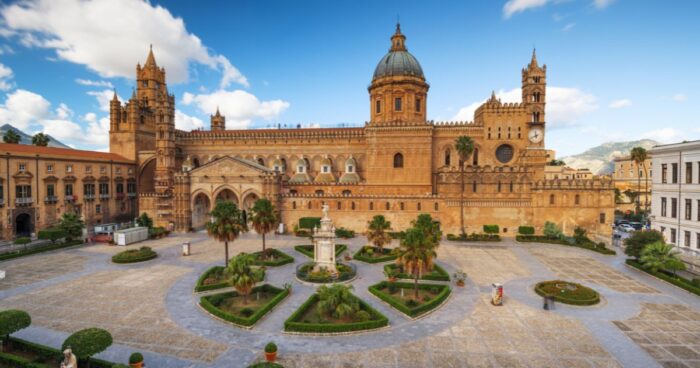
Don’t miss the Cattedrale di Palermo, the monumental Teatro Massimo or the Baroque crossroads of Quattro Canti. The real highlight, though, is the street markets of Ballarò, Vucciria and Capo, where you can taste the best Sicilian street food — arancini, panelle and sfincione. Palermo makes a great base for trips into the west: Monreale, Mondello and Cefalù are all within reach, and it’s easy to get to the Aegadian Islands or over to Trapani from here. Expect lively traffic, and in the evening it’s wise to stick to the main streets.
💡 Where to stay: The stylish, superbly rated BB 22 Palace → sits right in the historic centre and breathes the atmosphere of old Palermo.
Mondello Beach — a Caribbean-Style Beach on the Edge of Palermo
Mondello is the prettiest beach near Palermo and regularly ranks among the best city beaches in Italy. Its soft white sand, turquoise sea and gentle shelf into the water feel more Caribbean than Mediterranean. It lies on the outskirts of Palermo and you can reach it by bus or car.
In peak season Mondello fills up with sunbeds and umbrellas — but early in the morning or outside summer it’s wonderfully calm. Mountains and an elegant villa district frame the bay, and around the beach you’ll find plenty of restaurants, cafés and gelaterias. It’s the perfect spot when you want to combine city sightseeing with a swim.
💡 Where to stay:Villa Mondello Rooms → offers quiet lodgings a short walk from the beach and great value for money.
Castellammare del Golfo — Harbour, Beaches and Viewpoints
Castellammare del Golfo is a picturesque harbour town between Palermo and Trapani. It draws you in with its setting, its views and its friendly atmosphere. The historic centre spreads around the port and comes alive in the evening along a promenade lined with restaurants and cafés.
The big draw is the long sandy beach of Spiaggia Plaja, which runs for several kilometres along the gulf, plus the viewpoints above town looking out over the whole bay. It’s a great launch pad for Scopello, the Zingaro reserve or Segesta, and the pace here is calmer than at the busier resorts. It works for a quick stop or a few days with trips into the surrounding area.
💡 Where to stay:Hotel Cetarium → stands right by the harbour, serves an excellent breakfast and has consistently high ratings.
Scopello — a Tiny Village with Iconic Sea Stacks
Scopello is a tiny village on the edge of the Zingaro reserve and one of the most photogenic spots in Sicily. It’s famous above all for the old tuna cannery, the Tonnara di Scopello, in front of which dramatic sea stacks (faraglioni) rise from the water — the very ones you see on postcards of western Sicily.
The village itself takes just a few minutes to walk: a little square, a couple of cafés, a restaurant and a bakery. It’s a perfect stop on a drive along the coast and a starting point for the nearby coves you can reach on foot. Getting here without a car, though, is trickier.
Zingaro Nature Reserve — Wild Sicily Away from It All
Zingaro is the very first nature reserve in Sicily (established in 1981) and one of the island’s most beautiful natural areas. It runs along a dramatic stretch of coast between Scopello and San Vito Lo Capo. The main path runs for several kilometres above the sea and drops down bit by bit into turquoise coves like Cala dell’Uzzo and Cala Marinella — each with its own character and crystal-clear water.
There are no hotels, restaurants or shops in the reserve — and that’s exactly why it’s worth the effort. It’s ideal for walking, snorkelling and swimming away from the crowds. You need to bring your own food and water. The entry fee is token, and even in summer it never gets as heaving as the classic resorts.
TIP: If a particular place or attraction catches your eye and you’d like to visit, we recommend buying tickets online in advance HERE, so you can skip the queues and plan things nicely.
💡 Tip: The best place to base yourself is nearby San Vito Lo Capo →, from where the reserve is a hop away by car or on foot.
San Vito Lo Capo — a Beach Straight off a Postcard
San Vito Lo Capo has one of the finest beaches in all of Sicily: a long ribbon of soft white sand with a shallow entry into the sea, ideal for families with children too. The resort sits on the north-western tip of the island, ringed by mountains — the sunset with a peak in the background is unforgettable here.
The town is small, easy to navigate and entirely geared towards swimming and relaxing. It’s famous for its couscous festival, a nod to the area’s Arab heritage, and the local restaurants are among the best around — go for the fish and seafood. It gets busy in peak season, but keeps a pleasant atmosphere outside summer.
💡 Where to stay:I Mori Hotel → has modern rooms, a great location and consistently high ratings.
TIP: The ultimate holiday packing list: everything you need, wherever you’re headed
Erice — a Medieval Town in the Clouds
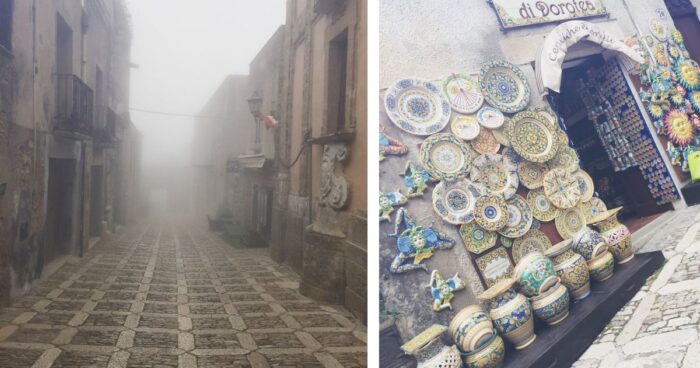
Near Trapani and not sure what to see in Sicily? Erice is an enchanting medieval town perched around 750 m above Trapani. Thanks to its height it’s often cooler up here, and mist frequently rolls in to lend it a mystical air. Narrow stone lanes, little squares and old walls make it feel like something out of a fairy tale.
The landmark is Castello di Venere, built on the site of an ancient temple — from the ramparts there’s a stunning view over the whole west coast and the salt pans near Trapani. Erice is ideal for a slow wander and a taste of the almond pastries the local patisseries pride themselves on. You can get up here by car or on the cable car from Trapani.
💡 Where to stay:Hotel Elimo → sits right in the historic centre — and Erice is at its best after dark, once the day-trippers have gone.
Erice, Sicily and what to see in Sicily
Segesta — an Ancient Temple Surrounded by Silence
Segesta is one of the most striking ancient sites in Sicily. A lone Doric temple stands amid green hills, at once monumental and utterly serene. It comes from the ancient city of the Elymians, and curiously it was never finished.
Above the temple you’ll find an ancient theatre with a panoramic view, still used for summer performances today. Unlike Agrigento, the crowds tend to stay away, so you can soak up the atmosphere in full. There’s an entry fee, but parking is free. The loveliest light is early morning or towards evening.
💡 Where to stay:Case di Segesta → offers peaceful country lodgings right beside the site.
Selinunte — the Largest Archaeological Park in Europe
Selinunte, on the south-west coast, is one of the largest archaeological parks in Europe, and yet far fewer people find their way here than to Agrigento. It was once among the wealthiest Greek cities in Sicily, founded by settlers in the 7th century BC. In 409 BC, however, the Carthaginians razed it to the ground and it was never rebuilt.
Today you can wander freely among the ruins: monumental Doric temples, an acropolis on a rise directly above the sea, and a sprawling field of remains you can cross on foot or by electric buggy. The site is genuinely vast, so set aside at least two hours and bring water and a hat — there’s almost no shade. There’s an entry fee (roughly €14 as a guide; do check the current price).
💡 Where to stay: You can stay right by the park in seaside Marinella di Selinunte →, just minutes from the temples.
Trapani — City of Salt and Islands
Trapani is a port town and the main gateway to the Aegadian Islands. The historic centre is compact and made for an evening stroll. The surrounding area is famous for its salt pans and windmills, which look their best at sunset — the pans are still working and form a unique landscape.
Trapani has a great position for exploring the west of the island: it has an airport, a harbour and good road links. It isn’t overrun with tourists, feels authentic, and makes an excellent base for trips to Erice, the Aegadian Islands or Marsala. You’ll also find plenty of good fish restaurants and couscous here.
💡 Where to stay:Room of Andrea Hotel → offers modern lodgings, a great location and excellent reviews.
Marsala — Wine, Salt and the Stagnone Lagoon
Marsala lies on the western tip of the island, and most people associate it above all with the fortified dessert wine of the same name, made here and tasted in the historic cellars in town. The compact centre, with its white buildings and broad squares, is a pleasure to wander and free of crowds.
The biggest draw, though, is the surroundings: the Stagnone lagoon with its salt pans and old windmills, which turn a gorgeous shade of pink at sunset. In the middle of the lagoon lies the little island of Mozia (Motya), with the remains of an ancient Phoenician settlement, reached by a small boat. Marsala is also where Garibaldi landed with his Thousand in 1860, so there’s a slice of Italian history in the air too.
💡 Where to stay: Quiet, well-rated accommodation in Marsala → can be found both in the centre and out by the Stagnone lagoon.
The Aegadian Islands — a Quiet Alternative Without the Crowds
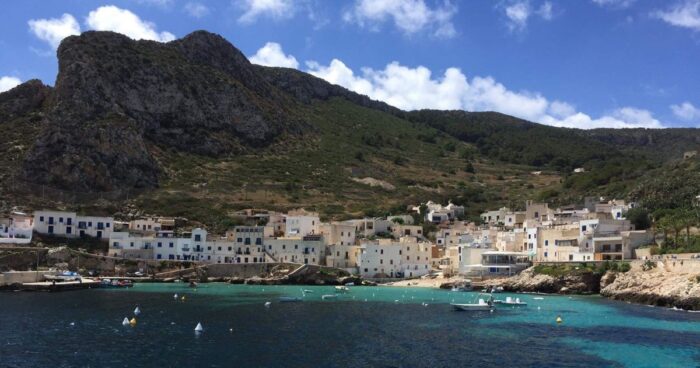
The Aegadian Islands are among the least touristy archipelagos around Sicily. The largest, Favignana, has flat terrain — hire a bike and pedal round the coves. Smaller Levanzo offers a sleepy feel and hardly any cars, while wilder Marettimo is one for lovers of walking and nature.
The islands are known for their crystal-clear water and superb snorkelling. Ferries sail from Trapani and the crossing takes just a few dozen minutes. Set aside 1–3 days for them — there’s a basic tourist infrastructure, but this is nowhere near a mass-market destination. If you’re short on time, you can visit on a day trip by boat.
💡 Where to stay: On Favignana, one of the best options is Cave Bianche Hotel →, with a pool and excellent reviews.
Monreale — a Norman Gem Above Palermo (UNESCO)
Monreale sits just a short way from Palermo, yet its atmosphere is worlds apart. The main reason to visit is the Monreale Cathedral (UNESCO), one of the most important Norman buildings in Europe. The interior is literally covered in golden mosaics depicting biblical scenes — across more than 6,000 m².
Adjoining the cathedral is a cloister with a covered walkway and hundreds of decorated columns, each one different from the last. The town stands high above the coast, so the views over Palermo and beyond are lovely. There tend to be fewer tourists here than down in the city. It’s an ideal half-day trip that pairs nicely with a visit to Palermo.
💡 Where to stay: Well-rated Locanda Re Ruggero →, right in Monreale, offers peace and a great location.
Agrigento — the Valley of the Temples (UNESCO)
Agrigento is home to one of the most important archaeological sites in Europe — the Valle dei Templi, on the UNESCO list. The complex spreads out on the edge of the modern city and takes in several monumental Greek temples from the 5th century BC. It’s vast and remarkably well preserved.
The most famous is the Temple of Concordia, among the best-preserved Greek temples anywhere; alongside it, the Temple of Juno and the Temple of Heracles are well worth your time. Set aside at least two to three hours for a visit, and the loveliest light is early morning or at sunset. The entry fee is roughly €13–17 depending on ticket type (check the current price). The town itself is fairly ordinary — the archaeological site is the real draw.
💡 Where to stay:Villa Athena Resort → lies right beside the site, with views of the temples from the rooms and the restaurant.
Scala dei Turchi — a White Staircase Above the Sea
Scala dei Turchi is one of the most photographed spots in Sicily — dazzling white cliffs of soft limestone (marl) that step down towards the sea like an enormous staircase. The name means “the Turkish Steps” and refers to the pirate raids of old, when raiders would shelter here from storms.
The white cliffs contrast beautifully with the deep-blue sea. Access directly onto the cliffs may change for conservation and erosion reasons, so check the latest situation before you go — but you’ll still enjoy gorgeous views from the surrounding beaches and viewpoints. The best light is in the afternoon and at sunset, when the cliffs glow gold. Expect crowds in season.
Torre Salsa is a protected nature area with one of the loveliest and least-visited beaches in the south of Sicily. A long sandy beach stretches beneath white cliffs, wild and untouched. The sea here is usually clear, often with a bit of surf.
Access is along a dirt track and a short descent, which puts some people off — so even in summer there’s plenty of space. There are no beach bars or sunbeds, so bring everything with you. It suits nature lovers, long beach walks and birdwatching.
Punta della Mola — an Understated Gem of Southern Sicily
Punta della Mola is a lesser-known stretch of coast for those seeking quiet away from the main routes. The shoreline here is a mix of rocks, small coves and open sea, with clear water ideal for both swimming and snorkelling.
Thanks to the minimal development, you’ll enjoy real peace here — no big resorts, no crowds. It’s a great stop for a few hours during a road trip and an interesting alternative to the better-known beaches. There are some lovely coastal viewpoints nearby too.
💡 Where to stay: Pleasant, quiet La Casa di Giò → suits a slower pace of travel.
Syracuse — Sicily’s Ancient Metropolis (UNESCO)
Syracuse is one of the most historically significant cities in Sicily and is on the UNESCO list. In antiquity it was one of the most powerful cities in the Mediterranean, a rival to Athens and the home of the mathematician Archimedes. The greatest concentration of monuments is in the Neapolis Archaeological Park — the famous Ear of Dionysius, a Greek theatre and a Roman amphitheatre.
The centre is lively but not overly touristy, and history is everywhere you turn. Set aside at least a full day so you can take in both the archaeological park and the historic heart on the island of Ortigia. You’ll find excellent fish restaurants here too.
💡 Where to stay: Superbly rated Grande Albergo Alfeo → is within walking distance of the historic centre.
Ortigia — the Historic Heart of Syracuse
Ortigia is a small island that forms the historic centre of Syracuse — the greatest concentration of monuments, narrow lanes and atmospheric squares. Its landmark is the cathedral (Duomo), built directly on the foundations of the ancient Temple of Athena; the columns of the original temple are still visible inside.
A walk through Ortigia is one of the loveliest experiences in eastern Sicily — markets, cafés, restaurants and little shops. By day it hums with life; in the evening it turns romantic and calmer. Want the most out of Syracuse? Stay right on Ortigia. You’ll also find a few places to swim and the famous Arethusa Spring, where papyrus grows.
💡 Where to stay: Stylish Ortigia Luxury Suites → offers modern rooms in a historic setting, with a rating above 9/10.
Noto — the Baroque Pearl of the Val di Noto (UNESCO)
Noto is often called the most beautiful Baroque town in Sicily and is on the UNESCO list. After a devastating earthquake in the 18th century, it was rebuilt in a single, unified Baroque style. The main avenue, Corso Vittorio Emanuele, is lined with palaces and churches in honey-coloured stone that turns golden at sunset.
The great landmark is Noto Cathedral (San Nicolò) above a broad flight of steps. Noto is made for a slow wander and a coffee on the piazza; in the evening the façades are floodlit as well. A visit is short but intense — and don’t forget the local ice cream and the traditional patisseries.
💡 Where to stay: The very well-rated Seven Rooms Villadorata → sits right on the main avenue in a historic palace.
Vendicari and Marzamemi — Lagoons, Flamingos and a Fishing Village
On the south-eastern tip of the island, between Noto and Portopalo, you’ll find two places that complement each other beautifully. The Vendicari Nature Reserve protects wetlands, sand dunes and quiet beaches like Calamosche and Eloro. In spring and autumn migratory birds, including flamingos and herons, stop over in the lagoons, while an old tuna cannery and the medieval Torre Sveva rise above the beaches.
A few kilometres on lies Marzamemi, a picturesque fishing village with Arab roots. Its heart is the little square of Piazza Regina Margherita, ringed by old fishermen’s houses and restaurant terraces serving fresh fish and seafood. It’s the perfect place for a slow evening by the sea after a day spent in the reserve.
💡 Where to stay: You can sleep right by the sea at accommodation in Marzamemi →, a short drive from the reserve.
Taormina — the Most Famous Town in Sicily
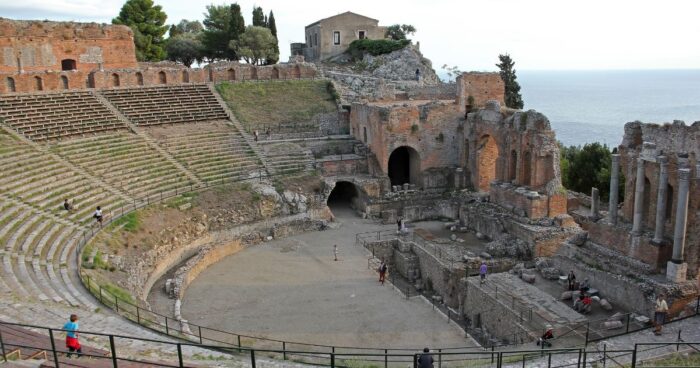
Taormina is the best-known and most-visited town in Sicily. It sits on a clifftop above the sea and offers views over both the coast and Mount Etna. The biggest draw is the ancient Greek theatre (Teatro Greco) — one of the finest views in all of Italy, and still a venue for summer festivals today.
The historic centre is made up of elegant shops and restaurants along the main street, Corso Umberto. Taormina is very touristy, but it keeps its charm — come early in the morning or in the evening, when there are fewer people about and the light is at its best. You can head down to Isola Bella beach by cable car.
💡 Where to stay: The elegant Hotel Villa Belvedere → has beautiful views and one of the best locations in town.
Isola Bella — the Little Island Below Taormina
Isola Bella is a tiny island linked to the mainland by a narrow spit directly below Taormina — one of the most photographed spots in the area. The beach is more pebbles than sand, but the water is exceptionally clear and great for snorkelling.
It gets busy in season; come in the morning or outside summer and you’ll have it in peace. The surroundings are a protected nature reserve, so the setting is beautifully preserved. You can get here on the cable car from Taormina, or by car and a walk down the steps — the perfect complement to a visit to the town. Sunbeds and umbrellas can be hired right on the beach.
💡 Where to stay: The very pleasant La Plage Resort → sits right by the beach.
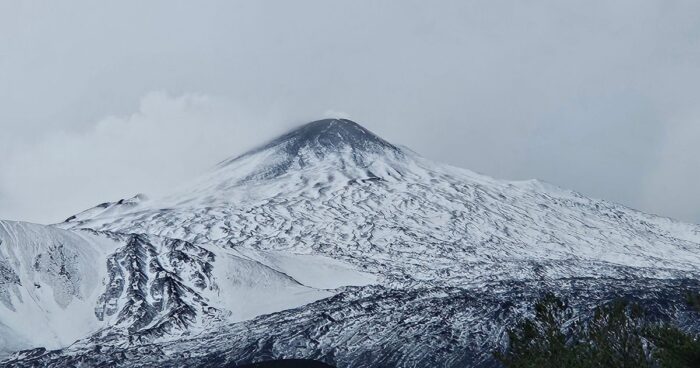
Mount Etna — the Highest Active Volcano in Europe
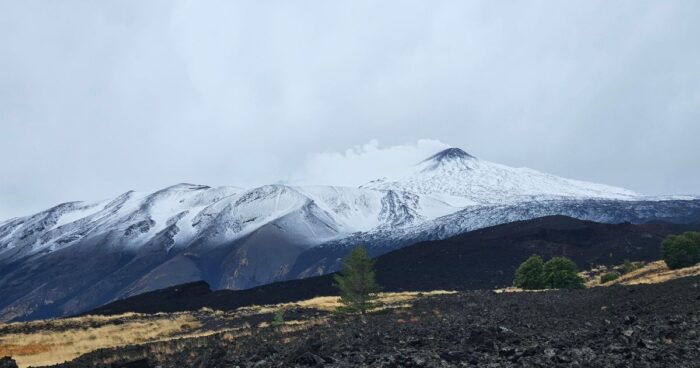
Mount Etna is the highest active volcano in Europe (around 3,350 m, though the height shifts with eruptions) and one of the great symbols of Sicily. It’s active, but safe for visitors and easy to reach. The most common starting point is Rifugio Sapienza on the southern side, which you can drive to. From there you continue by cable car up to 2,500 m, or on foot to the smaller craters.
The higher areas can only be visited with a guide for safety reasons. Even in summer it’s noticeably colder up here than on the coast, so bring warm clothing, sturdy footwear and sunglasses. The landscape of black lava fields and craters is unforgettable, and a trip can be combined with a wine tasting on the volcano’s slopes.
💡 Tip: You can’t reach the summit craters without a guide — you’ll find an organised climb with a mountain guide on GetYourGuide →. You can stay at Etna Boutique Hotel →, an ideal base for the climb.
The Alcantara Gorge — a Natural Wonder near Etna
The Alcantara Gorge is a canyon carved by lava from Etna and by the river. Its steep basalt walls resemble enormous organ pipes, and the river stays ice-cold even in summer (around 8–10 °C) — which makes it a refreshing escape on the hottest days.
Here you can wade through the water in a wetsuit, swim, or simply admire the gorge from the viewpoints. Access is possible by several routes, some of which charge a fee and hire out wetsuits. Bring water shoes and a towel. If you’re after a contrast to all the monuments and a little adrenaline, Alcantara hits the spot.
Cefalù is one of the loveliest towns on the north coast — combining a compact historic centre, a long sandy beach and a dramatic rocky backdrop. Its landmark is the Norman cathedral, Duomo di Cefalù (UNESCO), with beautiful mosaics inside.
Restaurants, cafés and little shops weave through the narrow lanes of the old town, and the beach is right by the centre — an ideal blend of sightseeing and swimming. Above the town rises the La Rocca crag, reached by a walking trail with gorgeous views (the climb takes about 30–40 minutes). Cefalù is popular, but it doesn’t feel as crammed as Taormina.
💡 Where to stay: The superbly rated Hotel Kalura → has lovely sea views and a quiet spot just outside the centre.
The Madonie — Mountain Sicily Without the Tourists
The Madonie mountains, a short way from Cefalù, are one of the least-visited parts of Sicily despite their gorgeous scenery. The landscape is made up of mountain villages, forests and pastures, and here you’ll find the island’s highest peaks outside Etna, including Pizzo Carbonara (1,979 m).
The Madonie are made for walking, cycling and slow travel. It tends to be more comfortable up here in summer than on the coast, so it’s a great escape from the heat. The tourist infrastructure is minimal — and that’s exactly what gives the area its authenticity. You’ll also come across traditional craftspeople and local produce.
💡 Where to stay: The authentic Agriturismo Bergi → can be found in the heart of the mountains.
The Nebrodi — the Greenest Part of the Island
Nebrodi National Park is the largest protected area in Sicily and, compared with the island’s drier parts, it’s surprisingly green. The landscape is made up of forests, pastures, lakes and mountain villages. The area is famous for its traditional cheese and cured meats, above all prosciutto.
You’ll meet very few tourists here, so it’s a great choice for a quiet holiday and some walking. The roads are narrow, but they offer beautiful views. You’ll also find several lakes (such as Biviere di Cesarò) and plenty of endemic plants and animals — a paradise for birdwatchers.
Enna sits right in the geographical centre of Sicily and is the highest provincial town on the island (over 900 m). Thanks to its position it enjoys panoramic views as far as the sea. The historic centre is quiet and less touristy, and its landmark is Castello di Lombardia, one of the largest medieval castles in Italy, with six surviving towers.
Enna is an ideal stop as you cross the interior — an authentic atmosphere and everyday Sicilian life without any gloss. The best views are from the Rocca di Cerere (the Rock of Ceres). It’s also a good starting point for the Villa Romana del Casale near Piazza Armerina, with its famous Roman mosaics.
💡 Where to stay: The pleasant, central Hotel Federico II → offers good value for money.
Villa Romana del Casale — the Finest Roman Mosaics (UNESCO)
A short way from Piazza Armerina in the centre of the island hides Villa Romana del Casale, a sprawling 4th-century Roman villa on the UNESCO list. It’s famous for its mosaics covering more than 3,500 m², among the best-preserved Roman mosaics in the world.
The floors are covered in scenes of hunting, mythology and everyday life. The most famous is the image of girls in “ancient bikinis” playing sport, which travelled the world. Raised walkways run above the mosaics, so you get a fine view of them from above. There’s an entry fee (roughly €10 as a guide). The villa is an ideal stop when crossing the interior and pairs easily with a visit to Enna.
Messina links Sicily with the Italian mainland, and most travellers simply drive through — a shame, because it has plenty to offer. Its landmark is Messina Cathedral (Duomo di Messina) with its famous astronomical clock, one of the largest of its kind. At noon it springs into motion and draws crowds of onlookers.
The historic centre was largely rebuilt after the devastating earthquake of 1908, so it feels more modern than other Sicilian cities. Messina is busy and authentic, free of mass tourism, and across the strait it has lovely views of Calabria. You’ll also find the handsome Fontana di Orione here. It works well as a short stop or a logistical base for your travels.
💡 Where to stay: The well-rated Hotel Messenion → offers modern rooms and a good location.
Catania — the Authentic Gateway to Etna
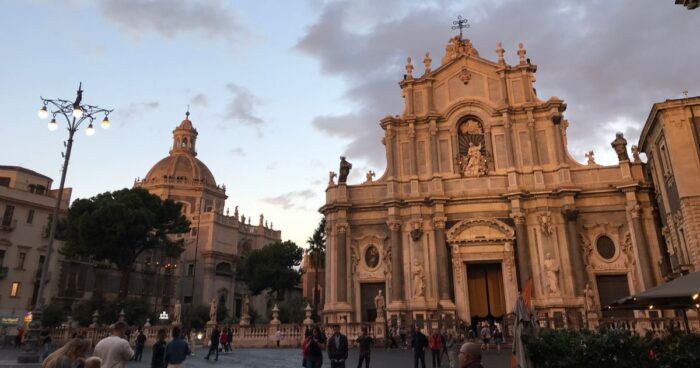
Catania is the second-largest city in Sicily and the ideal base for Etna. It’s raw, noisy and hugely authentic. The historic centre is built from dark lava stone, which gives it an unmistakable character, and as a Baroque town of the Val di Noto it’s on the UNESCO list.
Its heart is Piazza del Duomo, with the cathedral of Sant’Agata and the famous elephant fountain (Fontana dell’Elefante), known to locals as “u Liotru” — the city’s symbol. Right next door the bustling fish market La Pescheria comes alive, an experience in itself. From here the grand avenue of Via Etnea runs off, with a view of Etna at its end. Don’t miss the Roman amphitheatre on Piazza Stesicoro, tucked just below street level.
Catania isn’t a polished postcard like Taormina — it’s lively, a little worn and completely real. That’s exactly why it’s worth a day or two here to soak up ordinary Sicilian life. And because it has an airport, it makes a handy first or last stop on a loop of the island.
Ragusa and Modica — the Baroque Heart of the Val di Noto (UNESCO)
Ragusa and Modica are a pair of Baroque towns in the south-east, both on the UNESCO list. Ragusa is split into a newer upper part and the enchanting old Ragusa Ibla, which you reach by descending hundreds of steps between historic houses. Its landmark is the San Giorgio cathedral with its mighty dome — one of the loveliest Baroque churches in Sicily.
Modica lies a little further on and spreads across the slopes of a ravine — the view of the town lit up after dark is especially striking. It’s famous for its chocolate (cioccolato di Modica), made here using a traditional “Aztec” cold method, so it stays grainy. Try it in one of the historic patisseries.
💡 Where to stay: In Ragusa Ibla, a great choice is Antica Badia Relais → in a historic palace.
The Aeolian Islands — a Volcanic Archipelago in the North (UNESCO)
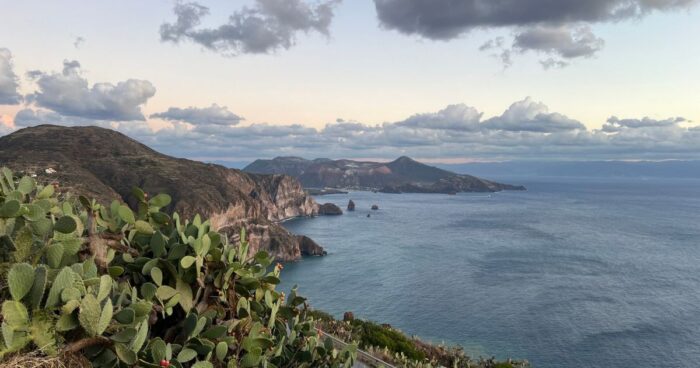
The Aeolian Islands are a volcanic archipelago north of Sicily, on the UNESCO list. The largest, Lipari, serves as a base; sulphurous Vulcano tempts you with mud baths and black-sand beaches; and Stromboli is an active volcano that regularly spews glowing lava — a guided night climb and the sight of the eruptions is one of the most powerful experiences in all of Italy.
Calmer Salina is green and famous for its Malvasia wine, Panarea is the chic one, and Filicudi and Alicudi are an escape from civilisation altogether. You reach the islands by ferry or hydrofoil from Milazzo (or from Messina or Palermo). Set aside at least 2–3 days for them — it would be a waste to come all this way for a single day trip.
💡 Tip: Book the night climb on Stromboli and the boat trip to the eruptions in advance via GetYourGuide →. You can stay on Lipari — for instance at Hotel Tritone →.
How Much a Holiday in Sicily Costs
Sicily is one of the more wallet-friendly parts of Italy, especially outside July and August. You’ll save a lot by eating where the locals do — Sicilian street food is cheap and superb. A rough daily budget for two people (excluding flights):
Item
Budget
Mid-range
Accommodation (2 people)
€40–60
€70–120
Food and drink
€25–35
€50–80
Car + petrol
€30–45
€40–60
Entry fees and activities
€10–20
€25–45
Total / day
~€105–160
~€185–305
💡 Tip: The biggest cost tends to be accommodation in season. Shift your trip to May, June or September and you’ll get a far better room for the same money — and dodge the heat and the crowds too.
How Many Days to Set Aside and a Suggested Route
Sicily is bigger than it looks on the map — the drives take longer than you’d expect. So that your holiday doesn’t turn into a marathon behind the wheel, we’d suggest:
7 days: one corner of the island — either the west (Palermo, Trapani, San Vito Lo Capo, Erice, Segesta) or the east (Catania, Taormina, Etna, Syracuse, Noto).
10 days: a big loop focused on the highlights — Palermo → Cefalù → Agrigento → Syracuse/Ortigia → Taormina → Etna.
14 days: a complete circuit of the island, including the Aegadian or Aeolian Islands and some time to laze by the sea.
💡 Tip: Fly into one city and out of another (e.g. Palermo → Catania). You’ll save half a day of doubling back and see more.
Experiences and Tickets in Sicily
traveller-approved · GetYourGuide
★ Our pick
From Catania: Full-Day Trip to Mount Etna and Taormina
Prices and ratings are indicative (source: GetYourGuide); you’ll see the current figures after clicking.
Frequently Asked Questions About Sicily (FAQ)
When is the best time to visit Sicily?
The best months are May, June, September and October — warm (22–30 °C), a warm sea and fewer tourists. For swimming, July and August are the surest bet, but expect heat and crowds. The mild winter is lovely for exploring the towns too.
Is it worth hiring a car in Sicily?
Yes — for exploring the island a car is practically essential, as public transport is slow and won’t get you out into nature (Zingaro, the smaller beaches). Go for a smaller car because of the narrow lanes, and watch out for the ZTL zones in historic centres.
How many days do you need in Sicily?
For one corner of the island, 7 days is enough; for a big loop taking in the most important spots, allow 10 days; and for a complete circuit including the islands, ideally 14 days.
Is Sicily good for a holiday with children?
Absolutely. Choose the western and northern coasts, with their sandy beaches and gentle entry into the sea — places like San Vito Lo Capo, Mondello or Cefalù. Avoid the very hottest weeks in August.
Can you climb Mount Etna?
Yes. You can reach the lower craters on your own and take the cable car up to 2,500 m. For the summit craters, though, you need a mountain guide. Even in summer, dress warmly — it’s noticeably colder up top than on the coast.
Which are the loveliest beaches in Sicily?
Among the finest are San Vito Lo Capo, Mondello, the coves in the Zingaro reserve, Isola Bella near Taormina and wild Torre Salsa. For the most turquoise water, head west and to the Aegadian Islands.
Is Sicily safe?
Yes, for the ordinary traveller Sicily is safe. The usual big-city common sense applies — keep an eye on your belongings in large crowds and at markets, and don’t leave valuables in plain sight in the car.
How do you get to Sicily?
The quickest way is to fly into Palermo or Catania (budget flights included). The other option is to drive down through Italy and take the ferry from Villa San Giovanni to Messina — handy if you’re combining Sicily with a trip through mainland Italy.
Potřebujete pomoct s cestováním?
Ubytování 🏨
Vyberte si to nejlepší ubytování, ať už jste kdekoliv, přes Booking.com.
Půjčení auta 🚗
Auto si snadno najdete přes Booking.com, kde máte často slevu díky ubytování, nebo Rentalcars.com, kde porovnáte nabídky většiny půjčoven.
Zážitky 🎟️
Přes GetYourGuide.com si vyberete z nejrůznějších výletů i zážitků po celém světě, navíc se zrušením zdarma do 24 h předem.
Abychom poskytli co nejlepší služby, používáme k ukládání a/nebo přístupu k informacím o zařízení, technologie jako jsou soubory cookies. Souhlas s těmito technologiemi nám umožní zpracovávat údaje, jako je chování při procházení nebo jedinečná ID na tomto webu. Nesouhlas nebo odvolání souhlasu může nepříznivě ovlivnit určité vlastnosti a funkce.
Funkční
Always active
Technické uložení nebo přístup je nezbytně nutný pro legitimní účel umožnění použití konkrétní služby, kterou si odběratel nebo uživatel výslovně vyžádal, nebo pouze za účelem provedení přenosu sdělení prostřednictvím sítě elektronických komunikací.
Předvolby
Technické uložení nebo přístup je nezbytný pro legitimní účel ukládání preferencí, které nejsou požadovány odběratelem nebo uživatelem.
Statistiky
Technické uložení nebo přístup, který se používá výhradně pro statistické účely.Technické uložení nebo přístup, který se používá výhradně pro anonymní statistické účely. Bez předvolání, dobrovolného plnění ze strany vašeho Poskytovatele internetových služeb nebo dalších záznamů od třetí strany nelze informace, uložené nebo získané pouze pro tento účel, obvykle použít k vaší identifikaci.
Marketing
Technické uložení nebo přístup je nutný k vytvoření uživatelských profilů za účelem zasílání reklamy nebo sledování uživatele na webových stránkách nebo několika webových stránkách pro podobné marketingové účely.