Last updated 1.11.2026
Austria ski pass prices only make sense once you know what each ticket actually covers. A day ticket usually gets you one resort. A pass for several days often opens up a whole valley, two federal states or more than twenty ski regions at once, and the price gap is smaller than most people expect. Six days across the whole of Ski amadé cost €432.50 at the ticket office (about £370). Six days on the SuperSkiCard, which also works in Kitzbühel, Saalbach and the SkiWelt, cost €449 (about £380).
So when we plan skiing in Austria, the lift pass question comes first: how many days will you ski, and do you want to stay in one area or drive to a different one now and then? We went through the official 2026/27 price lists of twelve regional ski passes and noted for each one where it is valid, what six days cost, what children pay and when it is worth buying. This guide is about the tickets, not about choosing a resort.
Austria ski pass prices at a glance
- A six-day regional ski pass costs roughly €386 to €469 in the 2026/27 high season, which is about £330 to £400. The cheapest of the big ones is the Ski plus City Pass Stubai Innsbruck (€386), the most expensive are Ötztal and Arlberg (€469 and €468).
- The SuperSkiCard gives you the most kilometres for your money. Six days cost €449 in high season and the pass works in 23 regions across Salzburgerland, Tyrol and Upper Austria, including the whole of Ski amadé, Skicircus Saalbach, KitzSki and the SkiWelt.
- The Zillertal Superskipass has an odd price list: six days cost €399, only €26.50 more than five. It covers 546 km of pistes, including the Hintertux Glacier.
- Season passes are cheapest until 31 October 2026. Snow Card Tirol for €1,080 instead of €1,227, SunnyCard (Hochficht included) for €594 instead of €743, HochfichtCard for €527 instead of €659.
- Children born in 2021 or later ski free with the Snow Card Tirol, in the Zillertal, in the SkiWelt and with the Alpin Card. The family bonus on the SuperSkiCard Premium, however, requires proof of Austrian or German child benefit.
- Ski holidays with the lift pass included start at around €200 per person for three nights in smaller areas. They pay off mainly in small resorts and outside school holidays. For the big regions, always check the package against booking the hotel and the pass yourself.
- The chip card (KeyCard) carries a deposit of €2 to €5, refunded when you hand it back. Better still, keep it for next winter: Ski amadé, for example, lets you load a new pass onto it online.
How ski passes work in Austria
Over the past few decades, Austrian resorts have grouped together into ticket alliances. Some are linked by lifts and pistes (Ski Arlberg, Skicircus Saalbach, SkiWelt), others share only a ticket and a ski bus (Zillertal, Ski amadé, Stubai). In practice that leaves you with three kinds of ticket:
- Local lift pass: valid in a single ski area, typically sold as day and half-day tickets. In Ski amadé, a one-day ticket only works in the area where you bought it. You need a pass for more than one day to unlock the whole network.
- Multi-day regional pass: valid in every area of the alliance. It usually starts at two or three days (Ötztal Superskipass from three, Ski amadé from two) and the days have to be consecutive. Ski amadé, Zillertal and the Alpin Card also sell flexible tickets such as “5 days out of 7”, where you pick your two rest days.
- Season pass (Saisonkarte): valid all winter, often across several alliances. It is issued with a photo and is cheapest in the pre-sale, which for most cards ends on 31 October.
A few rules apply almost everywhere, and they are worth knowing before you reach the first turnstile:
- Prices go by year of birth, not by age. The child rate usually covers those born between 2011 or 2012 and 2020, the youth rate those born 2008 to 2010 or 2011. Ticket offices ask for ID.
- Online is often cheaper. Ski amadé prices its multi-day passes by how early you buy: six days in high season start at €367.50 online against €432.50 at the ticket office. Sölden and Hochficht also use dynamic pricing.
- Tomorrow’s pass already works this afternoon. The SuperSkiCard and Alpin Card are valid from 3 pm the day before, Ski Arlberg from 4 pm. If you arrive in the afternoon, you can still squeeze in a few runs.
- Longer passes need a photo. The SuperSkiCard and Alpin Card want one from eight days, Ski amadé for its longest passes, and season passes always.
- Ski passes are personal and non-transferable, and under the SuperSkiCard terms a lost or forgotten ticket is not replaced. Don’t leave it in the jacket hanging in the chalet.
12 regional ski passes in Austria and their prices
We have listed them roughly in order of popularity with visitors from abroad. Prices come from the official 2026/27 price lists. For the six-day pass we give the high-season price unless stated otherwise. Pound conversions use €1 ≈ £0.85 and are only a guide.
1. Ski amadé (Salzburgerland and Styria)
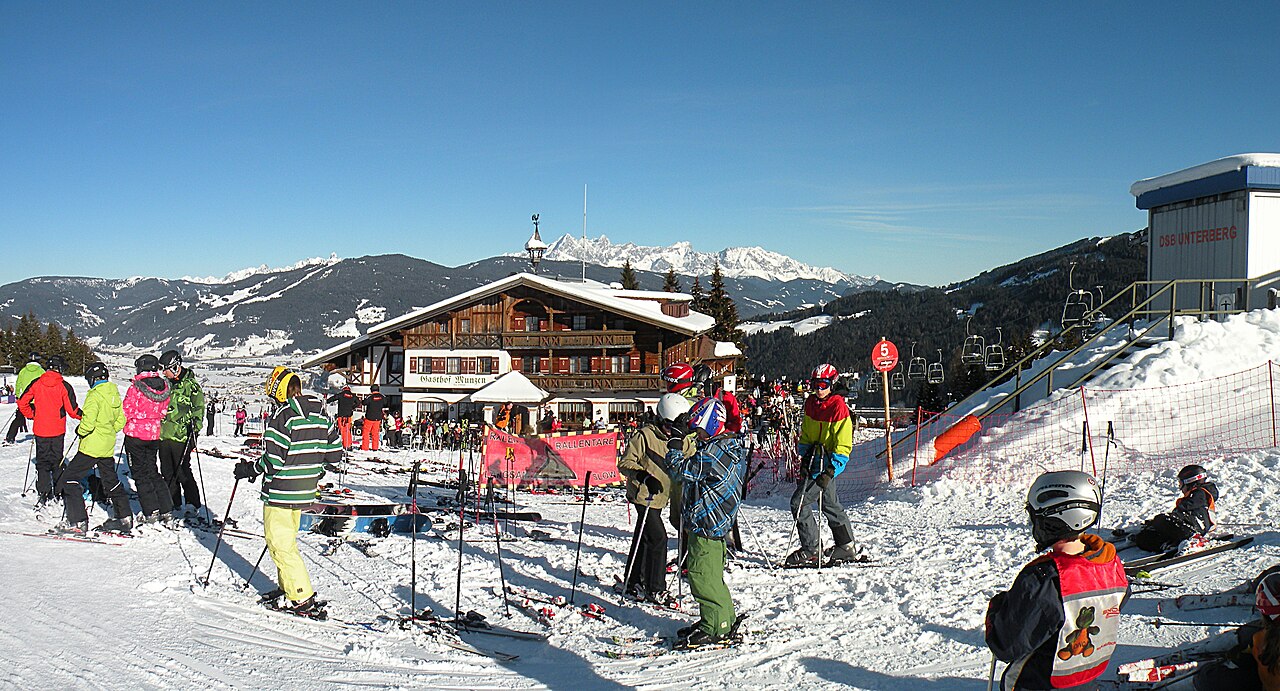
Austria’s largest ski pass alliance: up to 760 km of pistes, 260 lifts and 25 resorts in five regions. The regions are Salzburger Sportwelt (Flachau, Wagrain, Zauchensee, Altenmarkt), Schladming-Dachstein, Gasteinertal, Hochkönig and Großarltal. Salzburg airport is the natural gateway for most of them, which is one reason the area fills up fast in the February school holiday weeks.
Six days in high season (19 December 2026 to 26 March 2027) cost €432.50 at the ticket office (about £370), or from €367.50 online if you book early. At the start and end of the season, the six-day pass costs €402.50 at the ticket office. Youths (born 2008 to 2010) pay €324.50 in high season, children (born 2011 to 2020) €216.50. Children born in 2021 or later have their own Minicard price list. The KeyCard deposit is €3.
One thing to watch out for: a one-day ticket does not open up the whole of Ski amadé. Each area sells its own day passes and they are valid only there. The full network is covered only by passes of two days or more. If you are staying in Flachau and want to spend a day in Schladming, you need a multi-day pass.
Who it suits: families and intermediate skiers who want a week in one valley with the option of a day trip elsewhere. We would stay in Flachau or Wagrain and drive over to the Planai in Schladming for a day.
2. SuperSkiCard (Salzburgerland, Tyrol, Upper Austria)
This is the pass that gets the least attention in most ski guides, and in our view the one that makes the most sense. It is valid in 23 regions with more than 2,800 km of pistes and over 900 lifts. According to the SuperSkiCard website they include the whole of Ski amadé, Skicircus Saalbach Hinterglemm Leogang Fieberbrunn, Zell am See, the Kitzsteinhorn in Kaprun, KitzSki, SkiWelt Wilder Kaiser-Brixental, Zillertal Arena, Ski Juwel Alpbachtal Wildschönau, Obertauern, Lungau, Wildkogel, the Mölltal Glacier and Hochficht in the Bohemian Forest, right by the Czech border. The figures vary slightly depending on the source (Planai quotes 87 resorts and 2,815 km, Hochficht up to 88 resorts and 2,843 km), but they are in the same ballpark.
Six days cost €449 in high season (19 December 2026 to 9 April 2027) (about £380) and €406 outside it. One day costs €86, €64 for youths and €42 for children. Tickets are valid from 10 October 2026 to 2 May 2027, the days must be consecutive, and from eight days you need a photo.
Why we put it so high on the list: six days on the SuperSkiCard cost only €16.50 more than six days of Ski amadé bought at the ticket office, yet you can ski Flachau one day, Saalbach the next and the glacier above Kaprun on the third. If you have a hire car and don’t mind half an hour’s drive, you get three times the kilometres for almost the same money.
The SuperSkiCard Premium is the season version for the whole winter: €1,049 if bought by 3 December 2026, €1,190 after that. Formally it covers 15 ski days, but under the terms the member resorts voluntarily allow further days as well. The family bonus (third and any further child free) is applied only at ticket offices and only with proof of Austrian family allowance or German Kindergeld, so families from the UK cannot use it.
3. Snow Card Tirol (all of Tyrol)
A season pass for the entire federal state: more than 90 resorts, five Tyrolean glaciers, over 4,000 km of pistes and more than 1,100 lifts (figures from the SkiWelt). It is valid from 1 October 2026 to 15 May 2027 and also covers Ischgl, St. Anton, Sölden, Kitzbühel, the Zillertal and the Stubai Glacier.
In the pre-sale until 31 October 2026 it costs €1,080, after that €1,227. Youths (born 2008 to 2010) pay €658 in the pre-sale and €982 afterwards, children (born 2011 to 2020) €367 and €613. Children born in 2021 or later don’t need a card at all and ski free. The card cannot be bought online, only at lift ticket offices, and they take your photo there on your first ski day.
Restrictions worth knowing: it is not valid on the Hungerburgbahn in Innsbruck, not in Ischgl on concert days, it does not include night skiing or parking, and during the World Cup races in Gurgl (21 and 22 November 2026) there is a €34 surcharge. It pays off for people who come to Tyrol again and again over the winter, not for a single week.
4. Zillertaler Superskipass (Zillertal, Tyrol)
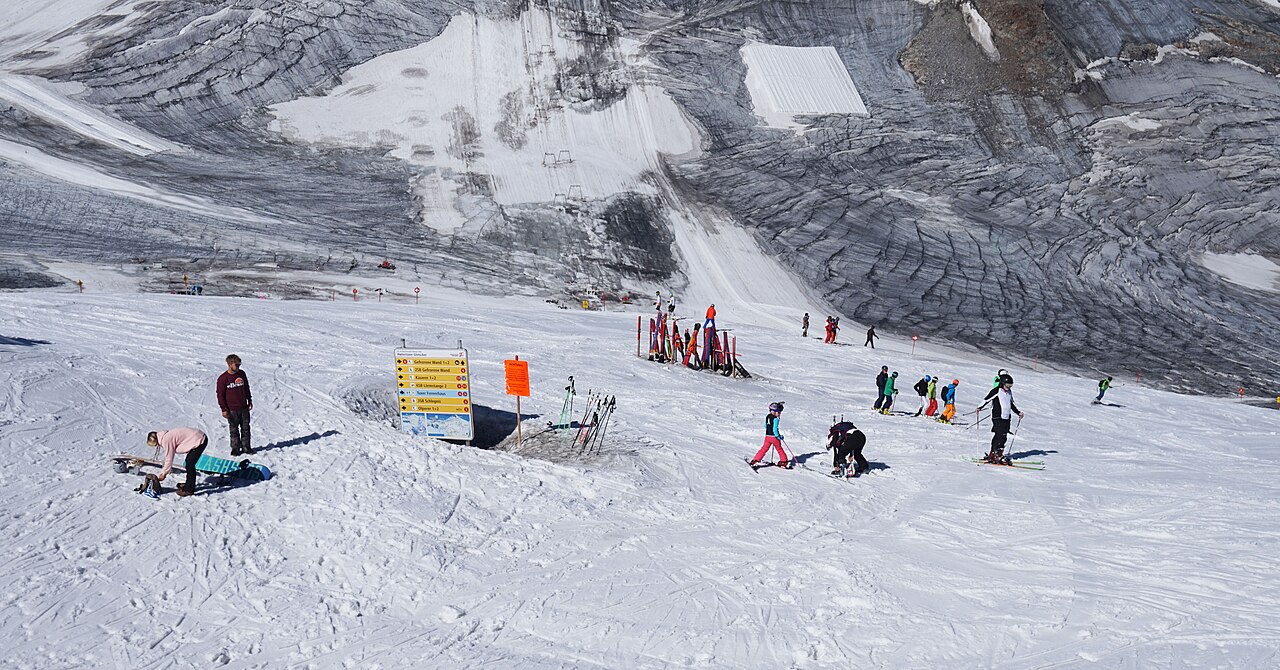
One ticket for four big ski areas in the valley: Hochzillertal-Hochfügen-Spieljoch, Zillertal Arena, Mayrhofner Bergbahnen and Ski- & Gletscherwelt Zillertal 3000, which includes the Hintertux Glacier. Together that is roughly 546 km of pistes and 180 lifts. The pass is valid from 4 December 2026 to 11 April 2027, and ski buses plus most public transport in the valley are included.
The Zillertal uses one price list for the whole season, with no split between high and low season. Six days cost €399 (about £340), youths (born 2008 to 2011) €319, children (born 2012 to 2020) €179.50. The quirk in the price list: five days cost €372.50, so the sixth day adds just €26.50. If you are torn between five and six days, take six. You can buy the pass for anything from 1 to 21 days, but passes of up to one and a half days are valid only in the individual areas. Children born after 1 January 2021 ski free when accompanied by a paying adult.
A detail for anyone booking a package: the Zillertal declares so-called Pauschalwochen (5 to 19 December 2026, 9 to 23 January 2027 and 3 to 10 April 2027), when hotels and guesthouses sell discounted packages with the lift pass included.
5. SkiWelt Wilder Kaiser-Brixental (Tyrol)
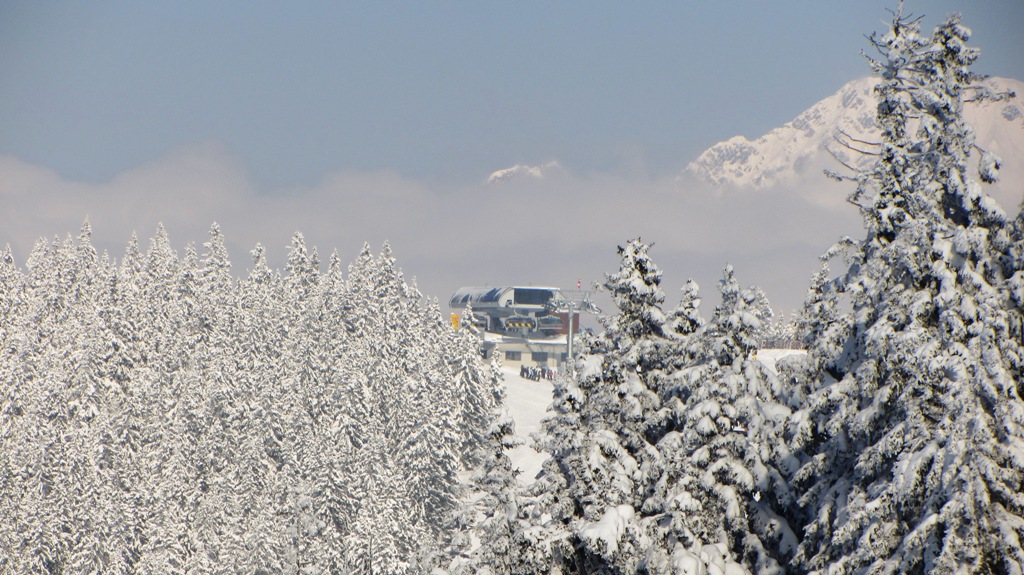
A linked ski area spread between Söll, Ellmau, Scheffau, Going, Itter, Hopfgarten, Brixen and Westendorf: 275 km of pistes, 81 lifts and 80 mountain huts. It sits fairly low (roughly 620 to 1,870 m), but it is huge and easy to reach, just off the motorway near Kufstein and within reach of both Innsbruck and Salzburg airports.
Six days cost €413.50 in the Premium season (19 December 2026 to 12 March 2027) (about £350) and €372 in the Vorteils (value) season, which runs from 5 to 18 December 2026 and from 13 to 29 March 2027. Youths (born 2008 to 2010) pay €310, children (born 2011 to 2020) €207, and children born in 2021 or later ski free.
This is the best discount we found in any of the price lists: SuperSkiWochen take 25% off passes for 3 to 14 days, but only when you buy online and only in the Vorteils season. That brings a six-day pass down to roughly €279 instead of €372, or about £240. The second half of March in the SkiWelt is therefore, in our view, one of the cheapest ways to ski a big Austrian area. If you fancy a day in neighbouring Kitzbühel, you can add a one-day KitzSki extension to a multi-day SkiWelt pass for €36.
6. Ski Alpin Card (Saalbach, Zell am See, Kaprun)
One ticket for Skicircus Saalbach Hinterglemm Leogang Fieberbrunn, the Schmittenhöhe in Zell am See and the Kitzsteinhorn with the Maiskogel in Kaprun, which according to Alpin Card adds up to 408 km and 121 lifts. It combines a big linked ski area, a lake and a glacier, so when wet snow is falling lower down, you can escape up to the Kitzsteinhorn.
Six days cost €440 in high season (19 December 2026 to 12 March 2027) (about £375), and €396 at the start of winter (27 November to 18 December 2026) and in the bonus season (13 March to 4 April 2027). Youths (born 2008 to 2010) pay €330, children (born 2011 to 2020) €220. The KeyCard costs €2.
The Alpin Card price list has three perks you rarely find together: night skiing is included in the lift pass, little ones born in 2021 or later get a free miniAlpini card, and at Easter (20 March to 4 April 2027) children born in 2011 or later ski free when a parent buys a pass for at least four days at the same time. Saalbach, Zell am See and the Kitzsteinhorn are also part of the SuperSkiCard.
7. Ski Arlberg (Vorarlberg and Tyrol)
The linked area of St. Anton, St. Christoph and Stuben, Lech, Oberlech and Zürs, and Warth-Schröcken: 301 km of pistes and 85 lifts. Together with the Ötztal, this is the most expensive pass in our overview. It is also the only one where you can spend a whole week circling one linked network without ever taking a ski bus.
Six days cost €468 in high season (19 December 2026 to 2 April 2027) (about £400), and €395 during the Wedelwochen and Sonnenski weeks (2 to 18 December 2026 and 3 to 18 April 2027). Youths and seniors pay €405, children €276. The youngest (born 2019 or later, the “Schneemann” category) pay €11. A pass bought for the next day is valid from 4 pm the day before, and the card deposit is €5. Arlberg states clearly that the prices are provisional and may change before sales open.
When it pays off: when you are a confident skier after off-piste and long descents. For a family of beginners it is an expensive ticket for blue runs that are cheaper elsewhere.
8. Silvretta Skipass (Ischgl, Samnaun, Galtür, Kappl, See)
Ischgl and Samnaun across the Swiss border form one linked ski area, while the other resorts in the Paznaun valley have their own. The multi-day Silvretta Skipass is valid on 75 lifts in all five, the day ticket only on the 46 lifts of Ischgl and Samnaun. The season runs from 26 November 2026 to 2 May 2027.
Six days cost €451 (about £385), seniors aged 65 and over €406, children aged 8 to 17 €257. Three days cost €244. Children under eight ski free with a parent, one of the most generous age limits in Austria. Multi-day passes start at two days.
Tip for families: if you would rather not stay in lively Ischgl itself, pick Galtür or Kappl and head over to Ischgl for a few days. The Silvretta Skipass works everywhere.
9. Ötztal Superskipass (Sölden, Obergurgl, Hochoetz, Vent)
A valley pass for Sölden, Obergurgl-Hochgurgl, Hochoetz-Kühtai and Vent: more than 360 km of pistes and 90 lifts. It is sold from three days and includes the two glaciers above Sölden, so there is usually snow here in November and early December, even when other resorts are still green.
Six days cost €450 in the pre-season (12 November to 4 December 2026), €469 in high season (about £400) and €478.50 in the priciest weeks (19 December 2026 to 6 January 2027). Youths (born 2007 to 2011) and children (born 2012 to 2018) have lower rates. From six days, the pass includes entry to the 007 ELEMENTS installation on the Gaislachkogl and the Top Mountain motorcycle museum.
When it pays off: for experienced skiers who want altitude and reliable snow at the start or end of the season. Over Christmas it is the most expensive regional pass in our overview.
10. Ski plus City Pass Stubai Innsbruck (Tyrol)
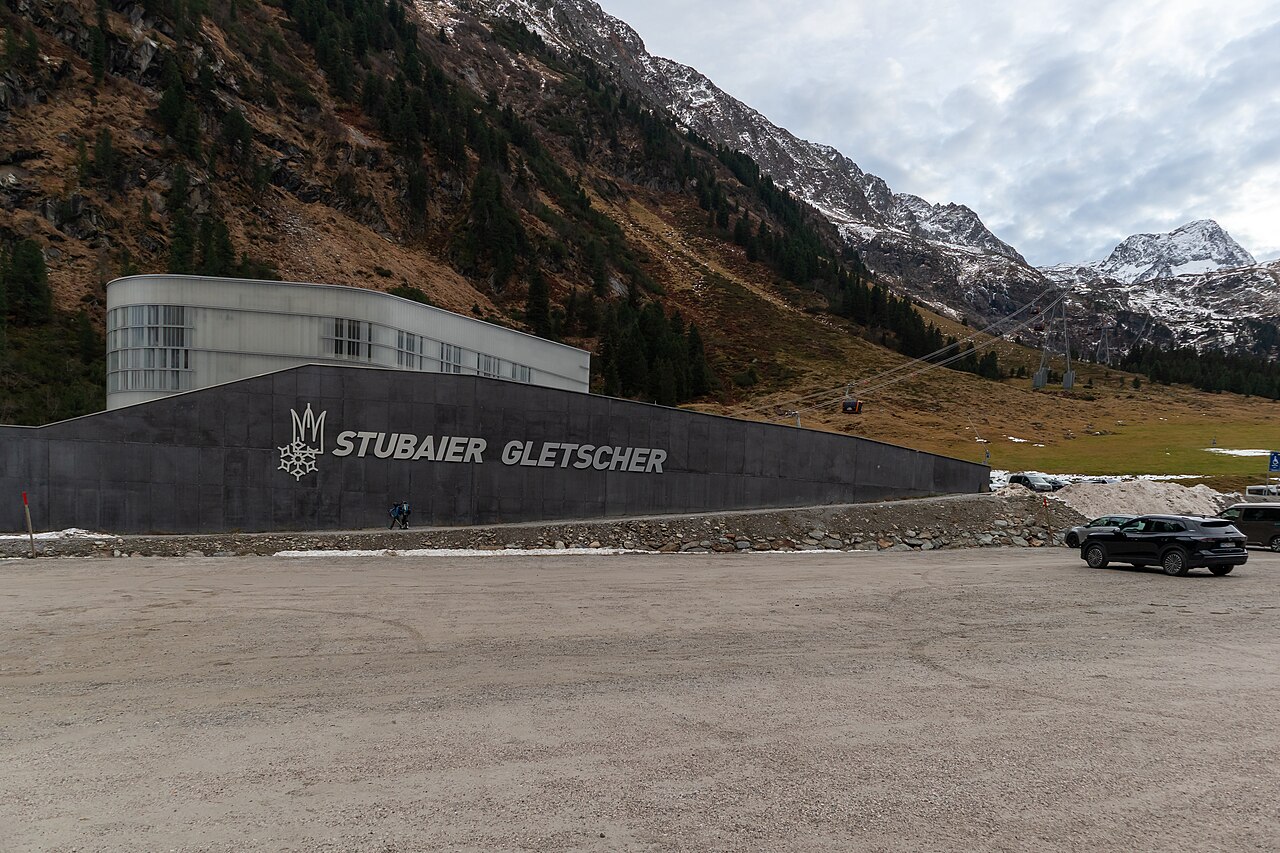
A mix of mountains and city with nothing quite like it elsewhere in Austria: 12 ski areas with 265 km of pistes (Stubai Glacier, Axamer Lizum, Schlick 2000, Kühtai, Hochoetz, Muttereralm, Nordkette, Serlesbahnen, Elferbahnen, Patscherkofel, Rangger Köpfl and Glungezer) plus 23 sights and attractions in and around Innsbruck, among them the Hofburg, the Alpenzoo, Swarovski Crystal Worlds and the Stadtturm. Ski buses to all the ski areas are included. The pass is valid from 10 October 2026 to 25 April 2027.
Six days cost €386 (about £330), youths (born 2008 to 2011) €270, children (born 2012 to 2018) €193, seniors €328. Two days cost €162, four days €274. On top of that you get 25% off night skiing and floodlit tobogganing. It is the cheapest six-day regional pass in our overview, even though it includes a glacier.
We like this ticket for a week when the weather doesn’t play along: on a day when it’s blowing hard up top and the lifts are shut, you can head into Innsbruck for the Hofburg or the Alpenzoo and the pass is still “working”. A handy bonus for UK skiers is that Innsbruck airport sits right next to the city.
11. Kärntner Skipass (Carinthia and East Tyrol)
A season pass for 31 resorts in Carinthia and East Tyrol, valid from the opening of the first ski area until 31 May 2027. Carinthia lies further south than Salzburgerland and is less of a classic UK destination. Its largest ski area is Nassfeld, on the Italian border.
The card has three price tiers: €814 in the online super pre-sale until 1 November 2026, €840 in the pre-sale until 8 December 2026 and €884 after that. Youths (born 2008 to 2011) pay €611 to €663, children (born 2012 to 2020) €407 to €442 and the youngest (born 2021 or later) €74 to €80. The KeyCard costs €5. The bundles are interesting: a partner pass for two adults costs €1,528 in the super pre-sale, a family pass for two parents with a child costs the same, and there is even a version for grandparents with grandchildren.
Multi-day tickets are sold by the individual resorts, and prices vary from one ski area to the next.
12. SunnyCard and HochfichtCard (Hochficht and beyond)
Hochficht, in the Bohemian Forest right on the Czech border near Lipno, is the closest Austrian ski area to Linz and to southern Bohemia. If you live in Upper Austria or are spending the winter in Prague or Český Krumlov, it is the obvious choice for weekend skiing. We cover the resort itself in a separate guide to skiing at Hochficht; here we only look at the season passes valid there. Three of them are sold at Hochficht: the HochfichtCard, the SunnyCard and the SuperSkiCard.
The SunnyCard is a season pass for eight resorts: Hochficht, Wurzeralm and Hinterstoder in Upper Austria, Hochkar and Ötscher in Lower Austria, Hochkössen in Tyrol, Heiligenblut below the Großglockner in Carinthia and the Schnalstal glacier in South Tyrol. It costs €594 until 31 October 2026, then €743. Under-25s (born 2001 to 2007) pay €506, youths (born 2008 to 2011) €475, children (born 2012 or later) €298. A weekdays-only version costs €434.
The HochfichtCard is valid only at Hochficht, night skiing included: €527 until 31 October 2026, then €659. Weekdays only €398, under-25s €454, youths €269, children €161. The family bonus here is generous and, unlike the SuperSkiCard, does not require Austrian paperwork: one adult card gets free children’s cards for kids born in 2017 or later, two parents’ cards for kids born in 2012 or later. A birth certificate or proof of family is enough.
Who it pays off for: a family living within reach of Hochficht who ski there at weekends. With the children skiing free, the HochfichtCard pays for itself within a few weekends, and the SunnyCard adds a week on the glacier or a spring trip to Hochkar.
Austria lift pass prices compared: what six days cost
The six-day adult pass is the ticket most people buy for a week’s ski holiday, so we have put them side by side. These are ticket office prices; some alliances are cheaper online.
| Ski pass, 6 days, adult (2026/27) | High season | Outside high season | Km of pistes |
|---|---|---|---|
| Ski plus City Pass Stubai Innsbruck | €386 (£330) | same | 265 |
| Zillertaler Superskipass | €399 (£340) | same | 546 |
| SkiWelt Wilder Kaiser-Brixental | €413.50 (£350) | €372, online with SuperSkiWochen approx. €279 | 275 |
| Ski amadé | €432.50 (£370), online from €367.50 | €402.50 | 760 |
| Ski Alpin Card | €440 (£375) | €396 | 408 |
| SuperSkiCard | €449 (£380) | €406 | 2,800+ |
| Silvretta Skipass | €451 (£385) | same | 75 lifts |
| Ski Arlberg | €468 (£400) | €395 | 301 |
| Ötztal Superskipass | €469 (£400), Christmas €478.50 | €450 | 360+ |
Conversion at €1 ≈ £0.85, rounded. The Snow Card Tirol, Kärntner Skipass, SunnyCard and HochfichtCard are season passes only, so they are not in the table.
What the table tells you: the gap between the cheapest and the most expensive six-day pass is about €80, or roughly £70. That is less than the difference in hotel prices between two villages in the same valley. So in our view it makes little sense to choose a ski area by its lift pass price. Choose by how many kilometres you will really ski and whether you need a glacier.
💡 SuperSkiCard instead of Ski amadé. If you are staying in Flachau, Wagrain or Schladming for six days, compare the six-day Ski amadé pass (€432.50 at the ticket office) with the six-day SuperSkiCard (€449). For an extra €16.50 you can ski Saalbach one day, Obertauern the next and the Kitzsteinhorn on a third. But if you buy Ski amadé online well in advance, it works out cheaper and you stay within one alliance.
Season ski passes in Austria: when they pay off
In Austria, a season pass usually starts to pay off somewhere around your twelfth to fourteenth ski day. The pre-sale is what matters: most cards go up on 1 November or in early December, by 8 to 25%.
| Season pass, adult (2026/27) | Pre-sale | After | Where it is valid |
|---|---|---|---|
| HochfichtCard | €527 until 31 Oct | €659 | Hochficht |
| SunnyCard | €594 until 31 Oct | €743 | 8 resorts including Hochficht and the Schnalstal glacier |
| Kärntner Skipass | €814 online until 1 Nov, €840 until 8 Dec | €884 | 31 resorts in Carinthia and East Tyrol |
| SuperSkiCard Premium | €1,049 until 3 Dec | €1,190 | 23 regions, 2,800+ km |
| Snow Card Tirol | €1,080 until 31 Oct | €1,227 | 90+ resorts in Tyrol |
| Ski Arlberg season pass | €840 (27 Nov to 10 Dec) | €1,272 | Arlberg |
Ski Arlberg lists these as provisional prices. The SuperSkiCard Premium formally covers 15 days, but under its terms the alliance voluntarily tolerates further days.
For most British skiers, who fly out to the Alps for one week a year, a season pass will not pay off. There are two exceptions. The first is families living near Hochficht: two HochfichtCards for the parents cost €1,054 in the pre-sale, and children born in 2012 or later get a card free on top. If you ski almost every weekend, it soon pays for itself. The second is people who come to the Alps several times a winter (a week at Christmas, a week at February half-term and a few long weekends), or who spend the season working in Austria. That is where the SuperSkiCard Premium or the Snow Card Tirol start to make sense.
Ski holidays in Austria with the lift pass included: package or DIY?
When people search for an Austria ski pass, quite a few of them are not after a price list at all, but a holiday with the lift pass already included. The first page of results is mostly tour operators and ski portals. The offers look tempting: three-night packages with a lift pass in the Mölltal or on the Petzen started at around €195 to €230 per person (travel not included), and SnowTrex listed four nights with a ski pass in Heiligenblut from roughly €390.
When a package pays off and when it doesn’t:
- It pays off mainly in the cheaper weeks. The Zillertal has its Pauschalwochen, when accommodation providers sell packages with the lift pass included, and the SkiWelt, Ski amadé and the Alpin Card all have cheaper weeks at the start and end of winter. Those are exactly the dates when it is worth comparing packages most carefully.
- It doesn’t pay off if you want to move around. A package usually includes the local or regional pass for the area where you are staying. If you want the SuperSkiCard or the Snow Card Tirol, you have to buy the pass yourself.
- Find out exactly where the pass is valid. “Lift pass included” can mean a single resort or a whole alliance. The difference between a local Flachau ticket and Ski amadé is hundreds of kilometres of pistes.
- Check the distance to the lifts. Accommodation “in the Ski amadé area” can be twenty minutes by ski bus from the nearest lift.
- Count the ski pass days in the package. The number of nights and the number of lift pass days don’t always match. Work out the price per ski day, not per night.
- Ask for the final price. Local tourist tax, the KeyCard deposit, parking and, if you are driving a hire car, the motorway vignette are usually not included.
Our own approach: we book the accommodation ourselves and buy the ski pass online well ahead. If a package comes out cheaper, we take it, but we always work out what the same hotel and the same pass would cost separately. More often than not it comes to the same, and booking things yourself is more flexible when the weather changes or a child falls ill.
Children and families: who skis free in Austria
The rules for children differ between alliances far more than adult prices do, and for a family with two kids that can mean hundreds of pounds either way.
| Ski pass | Free | Child rate |
|---|---|---|
| Silvretta Skipass | children under 8 with a parent | ages 8 to 17 |
| Snow Card Tirol | born 2021 or later, no card needed | born 2011 to 2020 |
| Zillertaler Superskipass | born after 1 Jan 2021, with a paying adult | born 2012 to 2020 |
| SkiWelt | born 2021 or later | born 2011 to 2020 |
| Ski Alpin Card | born 2021 or later (miniAlpini), older children too at Easter | born 2011 to 2020 |
| Ski amadé | separate Minicard price list for those born 2021 or later | born 2011 to 2020 |
| Ski Arlberg | no, born 2019 or later pay €11 | see price list |
| HochfichtCard, SunnyCard | free children’s season passes with a parent’s season pass | born 2012 or later |
The conditions (a parent present, proof of age, a photo) vary, so carry your children’s passports with you. The SuperSkiCard Premium family bonus for the third and any further child only works with Austrian or German child benefit documents.
Where to stay
Choose your accommodation to match the ski pass, not the other way round: you want to stay somewhere you can reach a lift covered by your ticket in the morning without a car. We picked one hotel for each of five alliances in this overview, and we found all of them on Booking.com.
- Superior Hotel Alpenhof in Flachau (Ski amadé): a four-star hotel with indoor and outdoor pools and a sauna. Flachau also makes a good base for the SuperSkiCard, as you can drive to Saalbach or Obertauern from here.
- Hotel Neue Post in Hippach (Zillertal): a Tyrolean hotel in the village centre with an indoor pool and half board. Hippach is just down the road from Mayrhofen, and with the Superskipass the ski buses up and down the whole valley are included.
- Hotel Berghof in Söll (SkiWelt): a four-star hotel that sells lift passes and has its own ski hire on site.
- Hotel Sonnblick in Kaprun (Alpin Card): a four-star hotel in the centre, about 200 m from the nearest piste, with a spa and a heated outdoor pool. From Kaprun it is a short hop to the Kitzsteinhorn and to Zell am See.
- Hotel Stubaierhof in Neustift im Stubaital (Ski plus City Pass): a hotel with indoor and outdoor pools, a spa and free parking. Neustift is the nearest sizeable village to the Stubai Glacier, and Innsbruck is about 22 km away.
If you would rather choose for yourself, a good place to start is accommodation in Flachau or accommodation in Mayrhofen.
What we would do differently
The first time we tried to work out which ski pass was worth it, we built a spreadsheet with twelve columns and went hunting for the ticket that would give us the most kilometres per euro. That is probably the most common mistake. With 2,800 km on a SuperSkiCard, you are tempted to go somewhere different every day, and then you spend an hour in the car and another in the car park below the lift. Three days in Flachau and one trip to Saalbach give you more actual skiing than six different resorts in six days.
We would rather pick one valley and let it surprise us. Ski amadé or the Zillertal have more than enough runs for a week, and there will still be a mountain you never got to. And the best moments often aren’t on the longest piste, but in the hut where you ended up ordering a Kaiserschmarrn when you only came in for a tea.
We also wouldn’t chase every day from the first lift to the last, just because the pass is paid for. A six-day ticket is not an obligation to ski six full days. An afternoon in the thermal baths or a walk around Innsbruck on the Ski plus City Pass is still a day well spent.
And the phone app that counts your kilometres and vertical metres? We would leave it in our pocket for at least one day. On the piste, all you need to know is where the next blue run is and where to have lunch.
Austria ski pass FAQ
How much is a week ski pass in Austria?
A six-day regional ski pass for an adult costs roughly €386 to €469 in the 2026/27 high season, which is about £330 to £400. The cheapest of the big ones is the Ski plus City Pass Stubai Innsbruck (€386), the Zillertaler Superskipass costs €399, Ski amadé €432.50 at the ticket office and the SuperSkiCard €449. The most expensive are Ski Arlberg (€468) and the Ötztal (€469). Outside high season and when you buy online, it is often cheaper.
Which Austrian ski pass covers the most resorts?
Among season passes, the Snow Card Tirol, which is valid in more than 90 Tyrolean resorts and on five glaciers. Among passes sold by the day, the SuperSkiCard, which covers 23 regions with more than 2,800 km of pistes in Salzburgerland, Tyrol and Upper Austria, including the whole of Ski amadé, Saalbach, Kitzbühel, the SkiWelt and Hochficht.
Is a ski holiday in Austria with the lift pass included worth it?
Sometimes, mainly in the cheaper weeks at the start and end of winter and in smaller areas. Before you book, check whether the price includes a local pass or the whole regional alliance, how many days of skiing the package covers and how far the accommodation is from the lifts. Then work out what the same hotel and a pass bought online separately would cost.
Where do kids ski free in Austria?
Children born in 2021 or later ski free with the Snow Card Tirol, with the Zillertaler Superskipass (accompanied by a paying adult), in the SkiWelt and with the Alpin Card (miniAlpini card). With the Silvretta Skipass in and around Ischgl, children under eight ski free with a parent. At Hochficht, children born in 2012 or later get a free season pass when both parents buy a HochfichtCard or SunnyCard.
Is it cheaper to buy a ski pass online in Austria?
With many alliances, yes. Ski amadé sells the six-day high-season pass online from €367.50 against €432.50 at the ticket office, and the price rises the later you buy. The SkiWelt gives 25% off passes of three to fourteen days bought online in December and in the second half of March. The Zillertal, on the other hand, does not list any online discount.
Is the Ski amadé one-day pass valid in all resorts?
No. One-day tickets are sold by the individual areas and are valid only there. Passes for more than one day, so from two days upwards, are the ones valid in all 25 Ski amadé resorts.
Is a season ski pass in Austria worth it?
From roughly your twelfth to fourteenth ski day. The SuperSkiCard Premium costs €1,049 in the pre-sale, while one day on the SuperSkiCard costs €86 in high season. Buy in the pre-sale: the Snow Card Tirol, SunnyCard and HochfichtCard go up after 31 October 2026, the SuperSkiCard Premium after 3 December 2026.
What is a KeyCard and why do I pay a deposit for it?
A KeyCard is the chip card your ski pass is loaded onto. You pay a deposit of €2 to €5 depending on the alliance (Ski amadé €3, Ski Arlberg €5, Alpin Card €2), refunded when you return the card undamaged. You can also keep it and, with some alliances, load next season’s pass onto it online.
Where next
- Skiing in Austria near Vienna, Linz and Prague: ski areas within easy reach of the cities, for when you don’t want to go for a whole week.
- Hochficht: the closest Austrian skiing to Linz and southern Bohemia, with pistes, lift passes, night skiing and where to stay.
- Skiing in Italy: the Dolomiti Superski and other Italian lift passes, to compare with Austria.
Potřebujete pomoct s cestováním?
-
Ubytování 🏨
Vyberte si to nejlepší ubytování, ať už jste kdekoliv, přes Booking.com. -
Půjčení auta 🚗
Auto si snadno najdete přes Booking.com, kde máte často slevu díky ubytování, nebo Rentalcars.com, kde porovnáte nabídky většiny půjčoven. -
Zážitky 🎟️
Přes GetYourGuide.com si vyberete z nejrůznějších výletů i zážitků po celém světě, navíc se zrušením zdarma do 24 h předem.