Last updated 8.10.2026
You land in Denpasar, enjoy two good days, eat one bad lunch and spend the rest of the trip within sprinting distance of your bathroom. Bali belly is the most common health problem visitors to the island run into, and most cases can be prevented. Below we cover what actually causes it, how to tell ordinary traveller’s diarrhoea from something that needs a doctor, what to pack in your first aid kit before you leave the UK, and which foods and drinks carry the most risk.
Bali belly in a nutshell
- Bali belly is not a disease but a nickname for traveller’s diarrhoea, which hits a large share of visitors to the island.
- Water is the most common culprit, or more precisely contaminated water hiding in ice, in washed fruit and salad, and in drinks.
- Don’t drink the tap water, and don’t brush your teeth with it unless you are sure about your accommodation’s filtration.
- Treatment starts with fluids, not pills. An oral rehydration solution matters more than anything else.
- Think twice before taking anti-diarrhoea tablets, because they slow down how quickly your body gets rid of the bug.
- See a doctor if you have a fever, blood in your stool or symptoms lasting more than two to three days.
- Travel insurance that covers medical treatment is a must, private clinics in Bali are expensive.
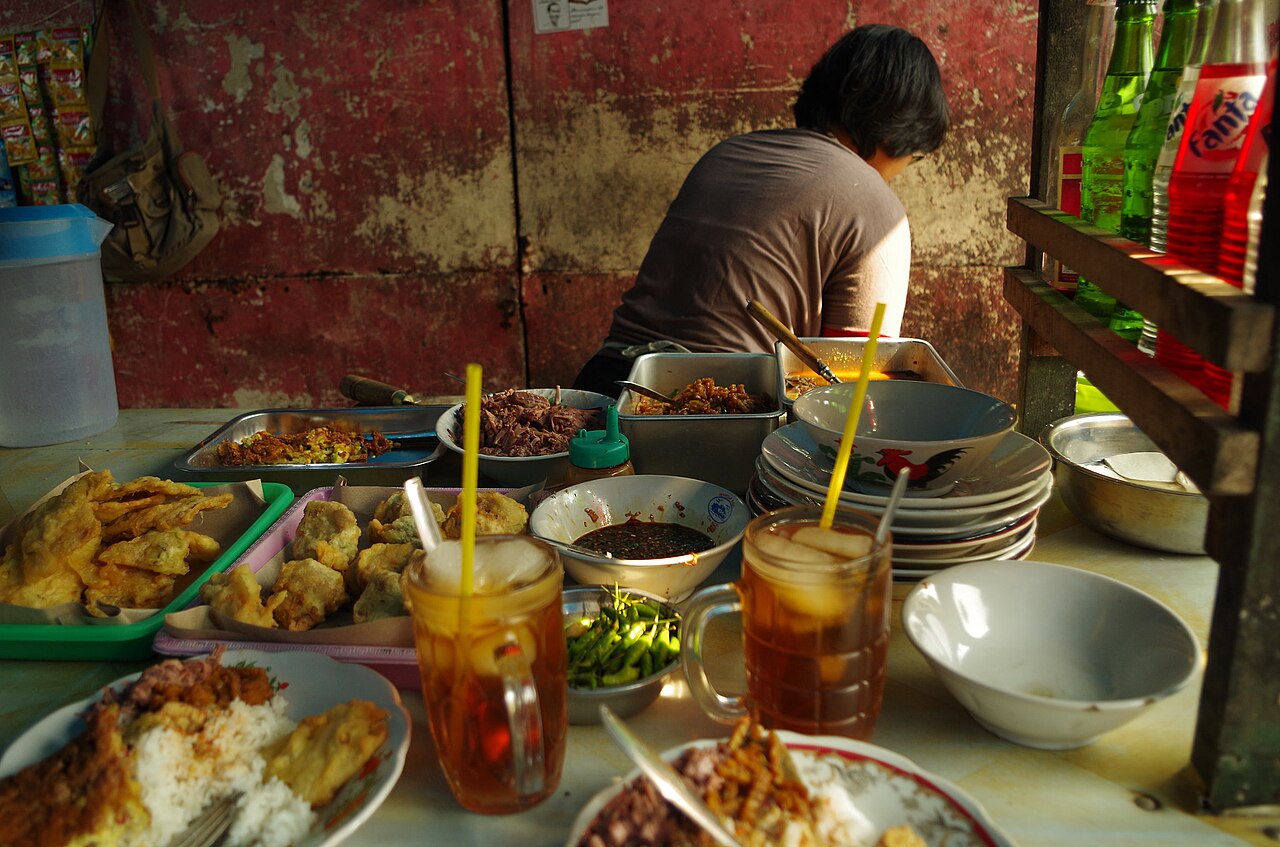
What is Bali belly, exactly?
Bali belly is a nickname, not a diagnosis. It is the local label for traveller’s diarrhoea: your gut meets bacteria it has never dealt with before and doesn’t cope. Usually the cause is common intestinal bacteria, less often a virus or a parasite.
The key thing to understand is that this is not about “dirty” or poor-quality food in the way we tend to imagine it. Locals eat exactly the same dishes and are fine, because their digestive system is used to that particular mix of bacteria. Yours simply isn’t, at least not yet.
What causes Bali belly
When you trace a case back, it almost always leads to one of these sources:
- Tap water. It isn’t for drinking, and not even for brushing your teeth, unless you are sure your accommodation filters it.
- Ice in drinks. Established restaurants and bars make it from filtered water and it is safe. At street stalls there is no such guarantee.
- Washed fruit and vegetables. Salads and pre-cut fruit are risky precisely because they get rinsed under the tap.
- Food that has been sitting out. In tropical heat, what counts is how long a dish has spent neither properly chilled nor properly hot.
- Undercooked meat and seafood.
- Your own hands. The most underrated source of all. A bottle of hand sanitiser in your pocket is the cheapest prevention there is.
How to avoid Bali belly
There is no single trick that guarantees you’ll stay well, but these habits cut the risk considerably:
- Drink bottled water and check that the seal on the bottle hasn’t been broken.
- Eat where it’s busy. High turnover means the food doesn’t sit around. An empty tourist restaurant is a bigger gamble than a packed local warung.
- Choose dishes cooked fresh and served hot over whatever has been waiting in the glass display cabinet.
- Peel your own fruit. A banana, mango or orange that you peel yourself is safe.
- Don’t experiment on day one. Give your stomach a few days to adjust before you take on the spiciest dishes.
- Wash your hands and use sanitiser before every meal.
- Brush your teeth with bottled water and keep your mouth shut in the shower. This isn’t scaremongering: it is exactly how people who are otherwise careful about food end up ill.
- Know your ice. Established venues use factory-made ice from treated water, and it’s safe. You can recognise it by its regular shape with a hole in the middle. Crushed ice of unknown origin at a roadside stall is a risk.
- During temple purification rituals such as melukat at Tirta Empul near Ubud, keep your mouth closed. The water is holy, but microbiologically it is a stream.
- Skip salads and washed fruit in cheaper places, because they are rinsed with tap water.
What doesn’t work: avoiding street stalls and eating only in hotels. What matters is not how much a place charges, but how quickly the food turns over and how hygienically it is prepared. Plenty of people pick up Bali belly in an expensive restaurant with an empty dining room.
Bali belly treatment: what to do when it hits
Most cases clear up on their own within one to three days. In the meantime:
- Drink as much as you can keep down. Replacing fluids and minerals is what matters most, not stopping the diarrhoea. An oral rehydration solution from a pharmacy is best, coconut water is a good second choice.
- Eat light. Rice, bananas, dry crackers or toast, clear broth. Avoid dairy, fatty and spicy food.
- Rest. The full-day scooter trip and the volcano sunrise hike can wait.
- Anti-diarrhoea tablets only when you really need them. They stop the symptoms but slow down how fast the bug leaves your body. They are useful when you have a long journey ahead, not as a first step.
- Probiotics help your gut flora recover, but they are not a cure.
Pharmacy in Bali: you don’t have to bring everything from home. Pharmacies (apotek) are easy to find in the tourist areas, so if you run out of rehydration sachets halfway through the trip, you can restock locally.
Bali belly: when to see a doctor
This is the part people underestimate. Get medical help if any of the following appear:
- A fever above 38.5 °C.
- Blood or mucus in your stool.
- Vomiting that stops you from keeping fluids down. You risk dehydration, and in the tropics that becomes dangerous quickly.
- Symptoms lasting more than two to three days with no improvement.
- Severe abdominal pain.
- Diarrhoea in young children or older people, who dehydrate faster.
The tourist areas of Bali have private clinics with English-speaking staff and a decent standard of care. They are expensive, though, so don’t travel here without insurance that covers medical expenses. Your GHIC card and the NHS won’t help you in Indonesia.
How long does Bali belly last and what will a doctor do?
Symptoms usually show up on the second or third day of your stay, which tends to be exactly when you’ve planned the busiest part of your itinerary. A typical course looks like this:
- The first 12 to 24 hours are the worst, with cramps and frequent trips to the toilet.
- Within two to three days most people recover without treatment.
- A week or more is no longer a normal course and a reason to see a doctor, because a parasite or a bacterial infection that won’t clear by itself may be behind it.
At a clinic, expect a stool sample, a drip to rehydrate you if you can’t keep fluids down, and antibiotics if the results call for them. Doctors in Bali deal with this every day and know what they’re doing. The bill, however, can easily reach €100 to €200 (roughly £85 to £170) even for a straightforward visit, so without insurance covering medical costs it becomes an unnecessarily expensive experience.
Can Bali belly come back, and are there lasting effects?
Yes, you can catch it a second time, even on the same trip. Getting over one infection doesn’t make you immune, because there are many different bugs that can cause it. People who stay in Bali for longer usually build up a tolerance to the common local bacteria over time, but that takes weeks.
Most people get back to normal with no after-effects. A smaller group find their digestion stays sensitive for a few weeks after the infection has passed, with milk, fatty food and alcohol not agreeing with them. Rarely, post-infectious irritable bowel syndrome develops, with longer-term problems. If your stomach still hasn’t settled a month after you get home, tell your GP that you’ve been to the tropics, because without that information they won’t routinely test for parasites.
Bali belly tablets and what to pack from home
A small travel kit packed before you fly saves you hunting for a pharmacy when you feel at your worst:
- Oral rehydration sachets, several of them.
- Anti-diarrhoea tablets for emergencies, for example before a long transfer.
- Activated charcoal for milder symptoms.
- Probiotics.
- A thermometer, because a fever is the main thing that decides whether you need a doctor.
- Hand sanitiser.
- Any medication you take regularly, in its original packaging and with plenty in reserve.
Check your insurance. Make sure your travel insurance covers medical expenses in Indonesia and doesn’t exclude activities you’re planning, typically riding a scooter without the right licence. Scooter riding is the most common reason insurers refuse to pay out.
Bali belly FAQ
What is Bali belly?A popular name for traveller’s diarrhoea, which affects a large share of visitors to Bali. It isn’t a separate disease but your gut reacting to bacteria it isn’t used to. Locals can eat the same food without any problems.
How long does Bali belly last?Usually one to three days, and it goes away on its own. If symptoms continue without improvement, or you develop a fever above 38.5 °C, blood in your stool or vomiting that stops you drinking, see a doctor.
How do you avoid Bali belly?Don’t drink tap water or brush your teeth with it, and be careful with ice at street stalls and with washed fruit and salads. Eat where it’s busy, because high turnover means the food isn’t left standing. Peel your own fruit and use hand sanitiser.
Does eating only in hotels and avoiding street food help?Not reliably. What matters is not the price of the place but how fast the food turns over and how hygienically it is prepared. Plenty of people get ill in an expensive restaurant with an empty dining room, while a full local warung is the safer bet.
Should I take anti-diarrhoea tablets straight away?Not as a first step. They stop the symptoms but slow down how quickly the bug leaves your body. The basis of treatment is replacing fluids and minerals with an oral rehydration solution. Save the tablets for when you have a long journey ahead.
Can you drink tap water in Bali?No. Don’t drink it or use it to brush your teeth unless you are sure your accommodation filters it. Buy bottled water and check that the bottle is still sealed.
Is ice in Bali safe?In established restaurants and bars, yes, because it is made from filtered water. At street stalls that isn’t guaranteed, so it’s better to skip iced drinks there.
Do I need travel insurance for Bali?Definitely. Private clinics in the tourist areas offer a decent standard of care and English-speaking staff, but they are expensive. Check that your policy covers Indonesia and doesn’t exclude riding a scooter without the right licence.
Potřebujete pomoct s cestováním?
-
Ubytování 🏨
Vyberte si to nejlepší ubytování, ať už jste kdekoliv, přes Booking.com. -
Půjčení auta 🚗
Auto si snadno najdete přes Booking.com, kde máte často slevu díky ubytování, nebo Rentalcars.com, kde porovnáte nabídky většiny půjčoven. -
Zážitky 🎟️
Přes GetYourGuide.com si vyberete z nejrůznějších výletů i zážitků po celém světě, navíc se zrušením zdarma do 24 h předem.