Last updated 8.10.2026
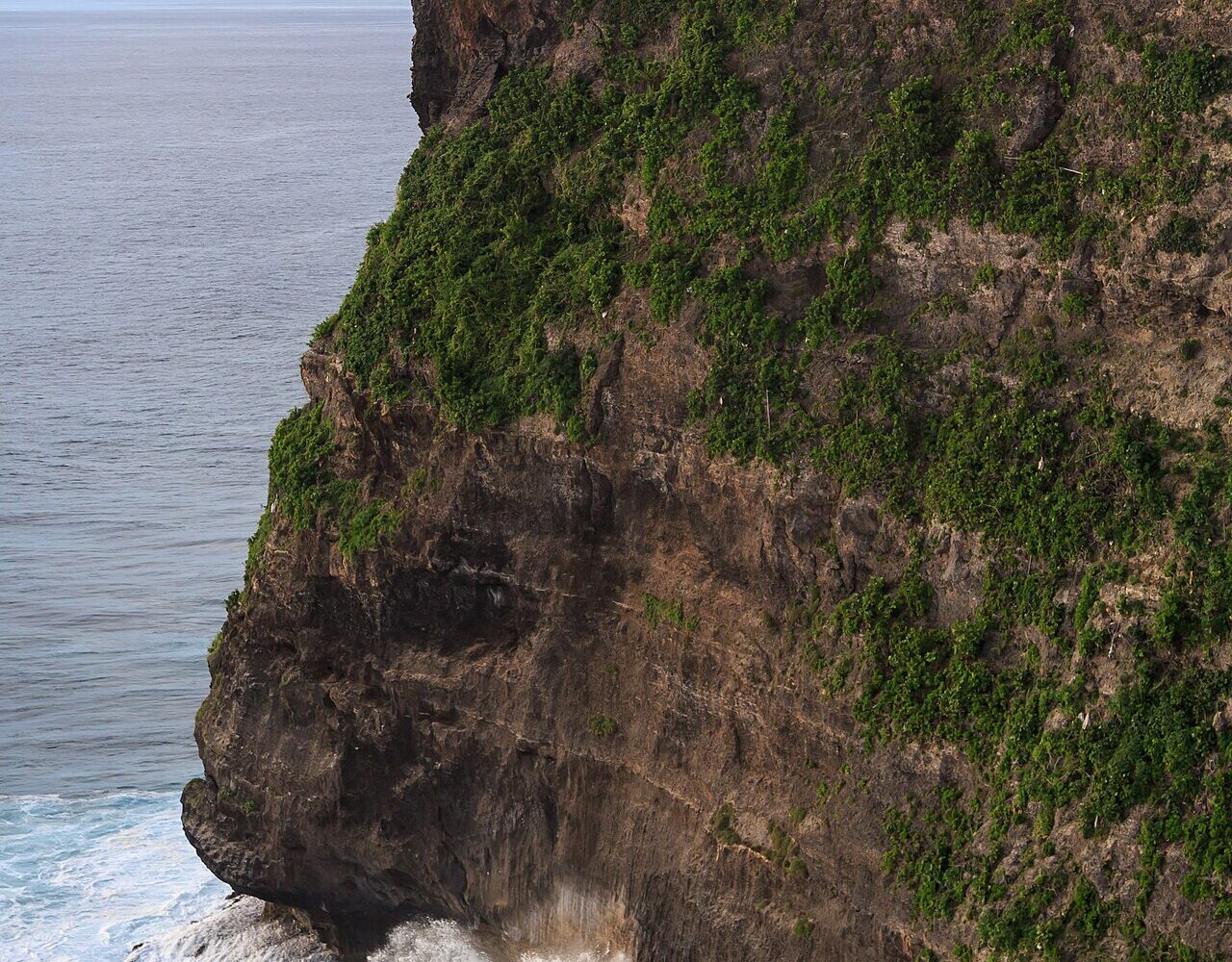
Uluwatu is the southern tip of Bali, and sooner or later almost every trip to the island ends up here. It’s easy to see why: a temple perched on the edge of a 70-metre cliff, some of the best waves in Asia breaking below it, and at sunset a chorus of men chanting in place of an orchestra. The beaches on this stretch of coast are the prettiest on the island. Below you’ll find our 18 things to do in Uluwatu, everything you need to know before visiting the temple and the Kecak dance, and a warning about the monkeys that most people only take seriously once it’s too late.
Things to do in Uluwatu, Bali: the essentials
- Pura Luhur Uluwatu sits 70 metres above the sea on the south-western tip of the Bukit Peninsula.
- Empu Kuturan substantially enlarged it in the 11th century, and the sage Dang Hyang Nirartha gave it much of its present form in the 16th century.
- The Kecak dance is performed every evening at 6 pm on a cliff-top stage, with the sun going down behind the dancers.
- The monkeys steal. The macaques have learnt to grab belongings and trade them back for food, and they pass the trick on to their young.
- You enter the temple wearing a sarong, which is handed out at the gate.
- Uluwatu is a surfing mecca, but the waves are for experienced surfers, not beginners.
- The beaches lie at the foot of the cliffs, and most of them are reached by long flights of steps.
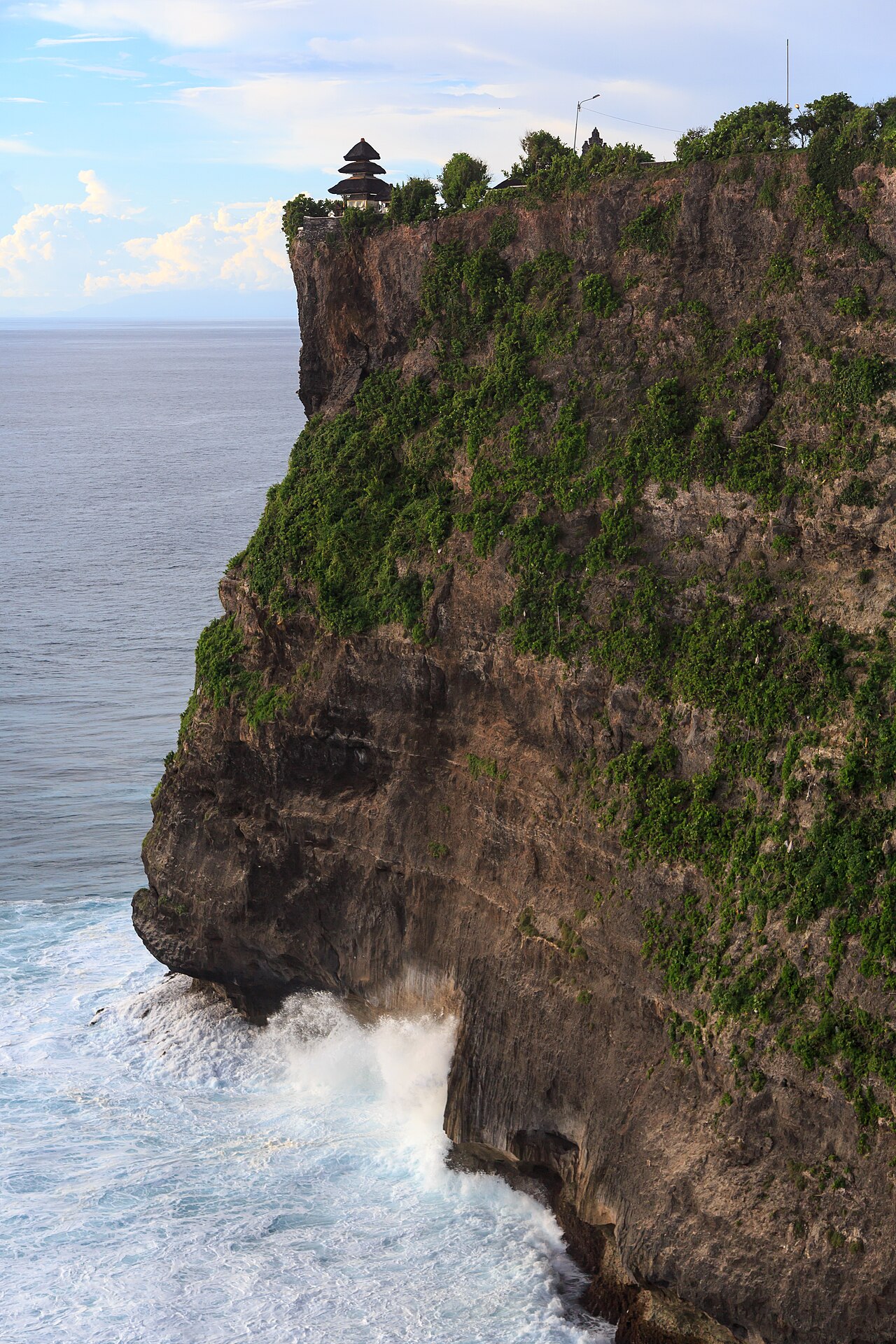
Uluwatu Temple (Pura Luhur Uluwatu)
The building itself is fairly small. What makes it extraordinary is where it stands: right on the lip of a cliff seventy metres above the Indian Ocean, with nothing between the temple wall and the horizon. Uluwatu is one of the nine directional temples of Bali, which according to tradition protect the island, and it is dedicated to Sang Hyang Widhi Wasa in his manifestation as Rudra.
The history goes back further than you might expect. Earlier shrines already stood on the site, but the major expansion came in the 11th century under Empu Kuturan. In the 16th century the sage Dang Hyang Nirartha arrived from East Java, added important architectural elements and, according to tradition, attained spiritual liberation right here.
Visiting Uluwatu Temple: entrance fee, dress code and opening hours
- Dress code. Knees must be covered inside the complex. A sarong and a sash are lent to you at the entrance, so there’s nothing to bring.
- When to go. The busiest time is the hour before sunset, just before the Kecak performance. If you want to see the temple in peace, arrive in the afternoon and stay on for the dance.
- Monkeys. Take this seriously. The macaques deliberately go for sunglasses, hats and phones, and they have learnt to swap them back for food. It isn’t bad luck or clumsy tourists, it’s learnt behaviour that they pass on to their young. Take off your sunglasses, put your phone away and don’t carry anything loose in your hands.
- Entrance fee: roughly 50,000 to 60,000 IDR (about €3, or £2.50) per adult and around half that for children. You pay at the gate, and it’s separate from the Kecak ticket.
- Opening hours are roughly 7 am to 7 pm, but the grounds fill up in the afternoon because of the evening show.
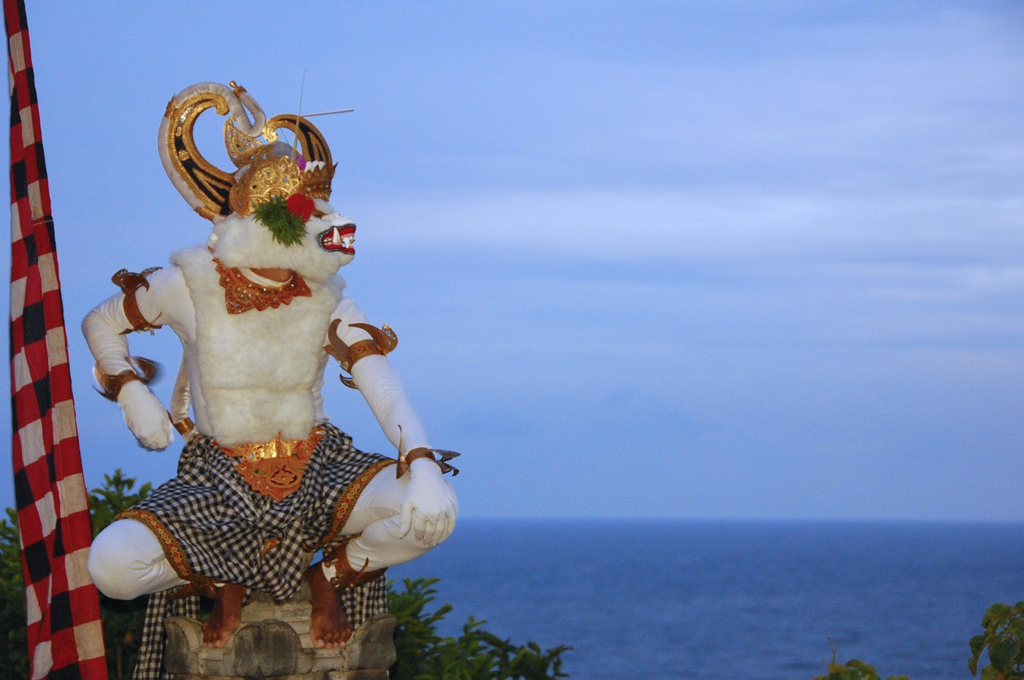
The Uluwatu Kecak dance at sunset
Kecak, often sold as the Kecak fire dance, tells a story from the Ramayana epic, and not a single instrument is played. All the rhythm and sound comes from a chorus of men sitting in concentric circles, chanting “cak-cak-cak” and swaying in time. At Uluwatu the choir has more than 65 voices, and together they do the work of an entire orchestra.
The show runs every day from about 6 pm to 7 pm in an amphitheatre on the cliff top, so the sun goes down over the ocean behind the performers while the story plays out. Tickets cost around 140,000 to 150,000 IDR (about €7.50, or £6.50) and are sold separately from temple entry.
A few practical points: in high season it pays to turn up early to get a good seat, and the arena has no shade, so the afternoon wait is hot. Yes, it’s a show put on for tourists, but it’s still one of the best things you can see on the island.
18 things to do in Uluwatu
Planning a few days on the Bukit? Here are 18 places to visit and things to do in Uluwatu, from the temple to the quieter beaches on the far side of the peninsula.
1. Uluwatu Temple and a walk along the cliff-edge wall that runs beside it.
2. Kecak at sunset, ideally straight after your visit to the temple.
3. Padang Padang Beach. A small beach tucked into a gap in the rocks, reached through a narrow crevice in the cliff. You’ll probably recognise it from the film Eat Pray Love. There’s an entrance fee of around 30,000 IDR (under €2), and it’s usually open from about 7 am to 7 pm.
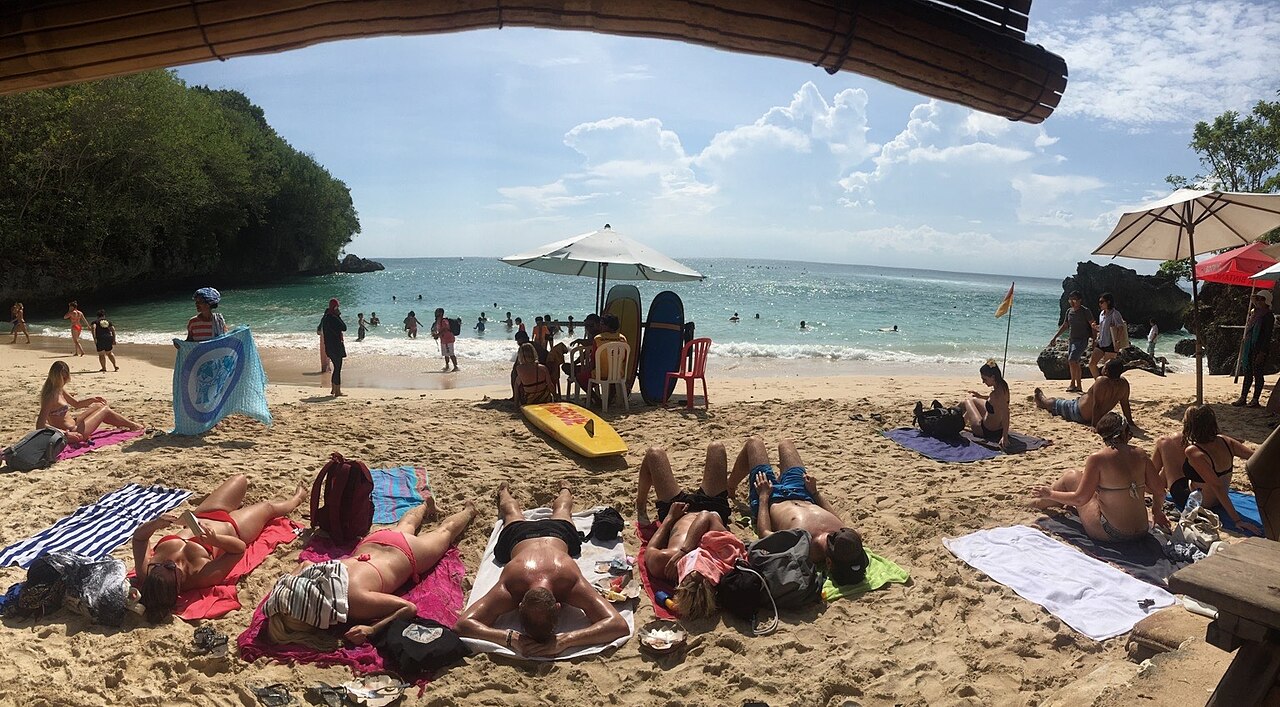
4. Bingin Beach. A cove below a steep slope, with guesthouses clinging to the rock face. The climb down and especially back up is hard work, which is exactly why it’s less crowded.
5. Suluban Beach. You get onto this beach through a cave in the rock that disappears underwater at high tide. It’s the most photogenic spot on the peninsula.
6. Dreamland and Melasti. Wider beaches with easier access. Melasti stretches for about two kilometres, and unlike most beaches around here you can drive all the way down to the sand, so there are no steps to deal with. The access road is cut into the cliff face and is one of the most photographed roads on Bali. There are public toilets, showers and changing rooms on the beach for a small fee.
7. Nyang Nyang. A long, empty beach at the bottom of more than five hundred steps. That’s the reason almost nobody is down there.
8. Surfing. Uluwatu, Padang Padang and Bingin are among the best waves in Asia, but they are reef breaks for experienced surfers. If you’re a beginner, head to Kuta or Canggu instead; on the Bukit the only reasonably safe places to start are Padang Padang or Dreamland. Board hire costs around 150,000 IDR (about €7.50) a day.
9. Cliff-top beach clubs. Bars with infinity pools and ocean views where people go to watch the sunset. Expensive, but the setting is like nowhere else.
10. The Uluwatu cliff walk and viewpoints along the coast, where the surfers far below look like specks.
11. Karma Beach and Thomas Beach for a quieter swim away from the main beaches.
12. Yoga and wellness. Alongside Ubud, the Bukit Peninsula is one of the places on Bali with the most yoga studios and retreats.
13. Jimbaran and a seafood dinner a short drive north, where you eat at tables set right on the sand.
14. Garuda Wisnu Kencana. A giant statue of Vishnu riding Garuda in a cultural park on the way from the airport. Including its pedestal it’s over a hundred metres tall, higher than the Statue of Liberty. Tickets start at around 150,000 IDR (about €7.50), and it’s usually open from 9 am to 9 pm. Kitsch and impressive at the same time.
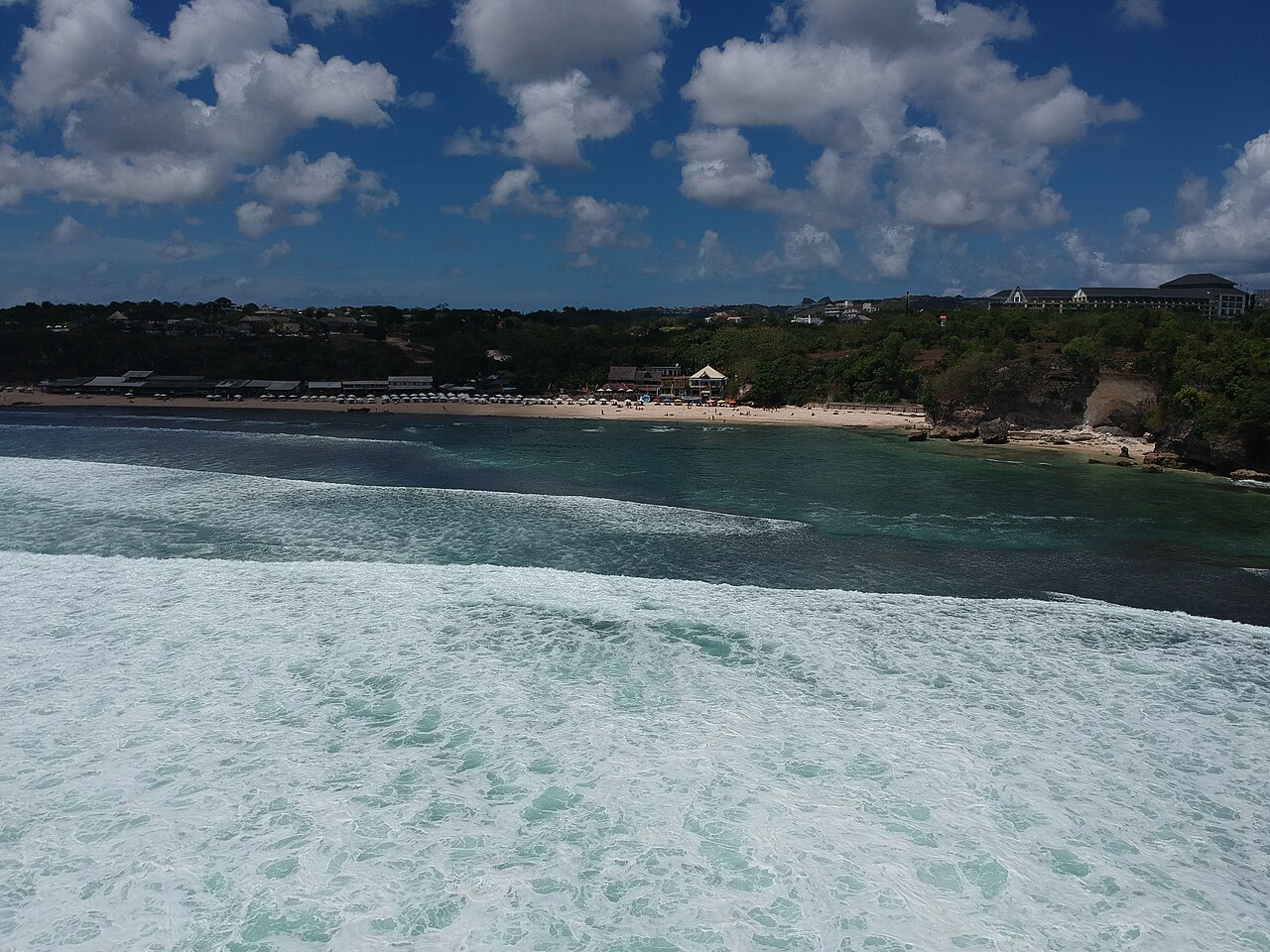
15. Balangan Beach. A broad strip of sand below the cliff, with a left-hander that peels for hundreds of metres and a line of warungs on the beach itself. Of all the beaches in Uluwatu it has the best balance of atmosphere and easy access: the walk down is shorter than at Bingin, and there’s parking at the top.
16. Karang Boma Cliff. A viewpoint on the cliff edge close to the temple, looking out over the whole jagged coastline as it drops into the ocean. It’s the most photographed spot on the peninsula, and most people come for sunset. Access is across private land, where a small parking fee is charged.
17. Paragliding over the cliffs. Flights take off from the rocks above Nunggalan and Timbis beaches and follow the coastline. Prices run from roughly 900,000 to 1,900,000 IDR (about €45 to €95, or £38 to £80) depending on flight length and season. Flying only happens when the wind is right, so your slot is confirmed at the last minute.
18. Pandawa and Green Bowl. Two beaches on the eastern side of the peninsula. The road to Pandawa is carved through a tall limestone wall lined with statues of the five Pandava brothers; the water is calm and you can rent a canoe. Green Bowl is the opposite: an almost deserted beach at the bottom of two hundred steps, with caves and bats in the rock.
If you want to compare the Bukit with the rest of the island’s coastline, our guide to the best beaches in Bali covers the other regions too.
When to visit Uluwatu and how many days you need
Uluwatu works all year round, but the dry season from April to October brings better surf and more reliable sunsets. In the rainy season, from November to March, the rain mostly comes in short afternoon bursts, so you can plan your days around it. For a month-by-month breakdown, see our guide on the best time to visit Bali.
Half a day is enough for the temple and the Kecak dance. If you’re coming for the beaches and the surf, though, allow three to five days: you have to drive between the coves, and each one feels completely different.
How to get to Uluwatu and get around
There are no nonstop flights from the UK to Bali, so most travellers from London and other British airports fly with one change, typically in the Gulf or in South-East Asia (Doha, Dubai, Singapore and the like), and land at Ngurah Rai International Airport near Denpasar. How long that takes is covered in our article on how long the flight to Bali is. From the airport, the geography decides almost everything: Uluwatu sits on the Bukit Peninsula at the very southern tip of the island, close to the airport and a long way from the rest of Bali.
- From Ngurah Rai airport it’s about a 40-minute drive. It’s the closest tourist area to the airport, which makes it a good choice for your first or last night after a long-haul flight. A private transfer arranged through your accommodation costs around 300,000 IDR (about €15, or £13). Grab is usually cheaper, but you have to walk to the designated pick-up zone outside the terminal. More on the airport itself in our Denpasar guide.
- From Ubud allow an hour and a half to two hours depending on traffic, from Sanur about an hour and from Canggu around an hour and a half. Distances look short on the map, but the roads in south Bali grind to a halt in the afternoon.
- A scooter is the most flexible and cheapest option, at around 60,000 IDR (about €3) a day. The roads down to the beaches are steep, narrow and often have no crash barriers, though, so this is not the place to ride a scooter for the first time in your life. And if you don’t hold the right licence, your travel insurance won’t pay out after an accident.
- A driver for the day is the most sensible choice if you want to see several beaches. A full day usually costs about the same as two longer taxi rides, and you don’t have to worry about parking or finding a ride back.
- Grab and Gojek both work, but at many beaches and beach clubs local rules restrict them, and drivers aren’t allowed to pick you up at the entrance. Expect to walk a bit, or agree a fixed price with a local taxi driver.
- On foot you can only get around within a single cove. The roads between beaches have no pavements and plenty of climbs, so walking from one to the next isn’t a realistic option.
- Public transport is practically non-existent here.
Budget for parking fees and steps. Most beaches charge a small parking fee, and you reach the water down long staircases cut into the cliff. At Suluban and Nyang Nyang that means several hundred steps, and climbing them back up in the afternoon heat is a lot harder than coming down.
Arriving from the UK? After a long journey with a change of planes, the short transfer to the Bukit is a real advantage. Book your first night in Uluwatu or Jimbaran, sleep off the flight, and leave the longer drive to Ubud for later in the trip.
Is Uluwatu expensive?
Uluwatu is one of the pricier parts of Bali, because this is where the luxury resorts and cliff-top beach clubs are concentrated. What that means in practice:
- Beach club entry is often handled through a minimum spend, which tends to be more than an ordinary lunch. It’s better value to drop in for a drink in the afternoon than to spend the whole day there.
- A meal at a warung a few hundred metres back from the cliff costs a fraction of what you’ll pay with a sea view.
- Temple entry and the Kecak dance are paid separately. Kecak tickets sell out in high season, so buy them in advance or arrive early.
- Accommodation here has the widest price range anywhere on Bali, from basic surf guesthouses to resorts on the edge of the cliff.
Where to stay in Uluwatu
The Bukit Peninsula breaks down into a few areas. Uluwatu and Pecatu are closest to the temple and the surf breaks. Bingin and Padang Padang have guesthouses and villas stacked up the slopes above the coves. Balangan is a quieter compromise between surf and easy access, and Jimbaran is the calmest of all, with a beach without big waves and a strip of seafood restaurants.
- Backpackers: a hostel bed or a surf camp from roughly 200,000 to 350,000 IDR (about €10 to €17) per person per night.
- Mid-range: a room in a guesthouse or a smaller hotel with a pool from 600,000 to 1,200,000 IDR (about €30 to €60, or £25 to £50).
- Villa with a cliff view: the top category, where you’re mainly paying for the scenery. Compare villas in Uluwatu →
- Practical tip: check how far the property is from the beach and whether you have to use steps to reach it. A number of places in Bingin can only be reached on foot down a steep path.
Check current prices and availability in our selection of places to stay in Uluwatu.
Uluwatu, Bali: frequently asked questions
Is Uluwatu Temple worth visiting?Yes, mainly for its setting. The temple stands on the edge of a cliff seventy metres above the sea on the south-western tip of the Bukit Peninsula. The building itself is fairly small; what impresses is the location and the views along the coast, especially if you combine it with the Kecak dance at sunset.
What time is the Kecak dance at Uluwatu?Every day from 6 pm in the cliff-top arena, so the sun sets behind the performers during the show. Tickets are sold separately from temple entry, and in high season it’s worth arriving early to get a better seat.
What is the Kecak fire dance?A performance based on the Ramayana epic in which no musical instrument is played. The rhythm and sound are created by a chorus of men sitting in a circle, chanting and moving in time.
Do the monkeys at Uluwatu Temple steal things?Yes, and it’s learnt behaviour, not chance. The macaques deliberately take sunglasses, hats and phones, and they’ve learnt to trade them back for food, a skill they pass on to their young. Take off your sunglasses, put your phone away and don’t carry anything loose in your hands.
What is the Uluwatu Temple dress code?Your knees must be covered. A sarong and a sash are handed out at the entrance, so you don’t need to sort anything out in advance.
Is Uluwatu good for beginner surfers?No. Uluwatu, Padang Padang and Bingin are reef breaks for experienced surfers. Beginners are better off in Kuta or Canggu, where the bottom is sandy and conditions are gentler.
How many days in Uluwatu is enough?Half a day is enough for the temple and the Kecak dance. If you’re coming for the beaches and the surf, allow three to five days, because you have to drive between the coves and each one has a different character.
How far is Uluwatu from Bali airport?About forty minutes by car. A scooter is the most flexible way to get around, but the roads down to the beaches are steep and narrow, so if you want to visit several beaches a hired driver is more comfortable.
Potřebujete pomoct s cestováním?
-
Ubytování 🏨
Vyberte si to nejlepší ubytování, ať už jste kdekoliv, přes Booking.com. -
Půjčení auta 🚗
Auto si snadno najdete přes Booking.com, kde máte často slevu díky ubytování, nebo Rentalcars.com, kde porovnáte nabídky většiny půjčoven. -
Zážitky 🎟️
Přes GetYourGuide.com si vyberete z nejrůznějších výletů i zážitků po celém světě, navíc se zrušením zdarma do 24 h předem.