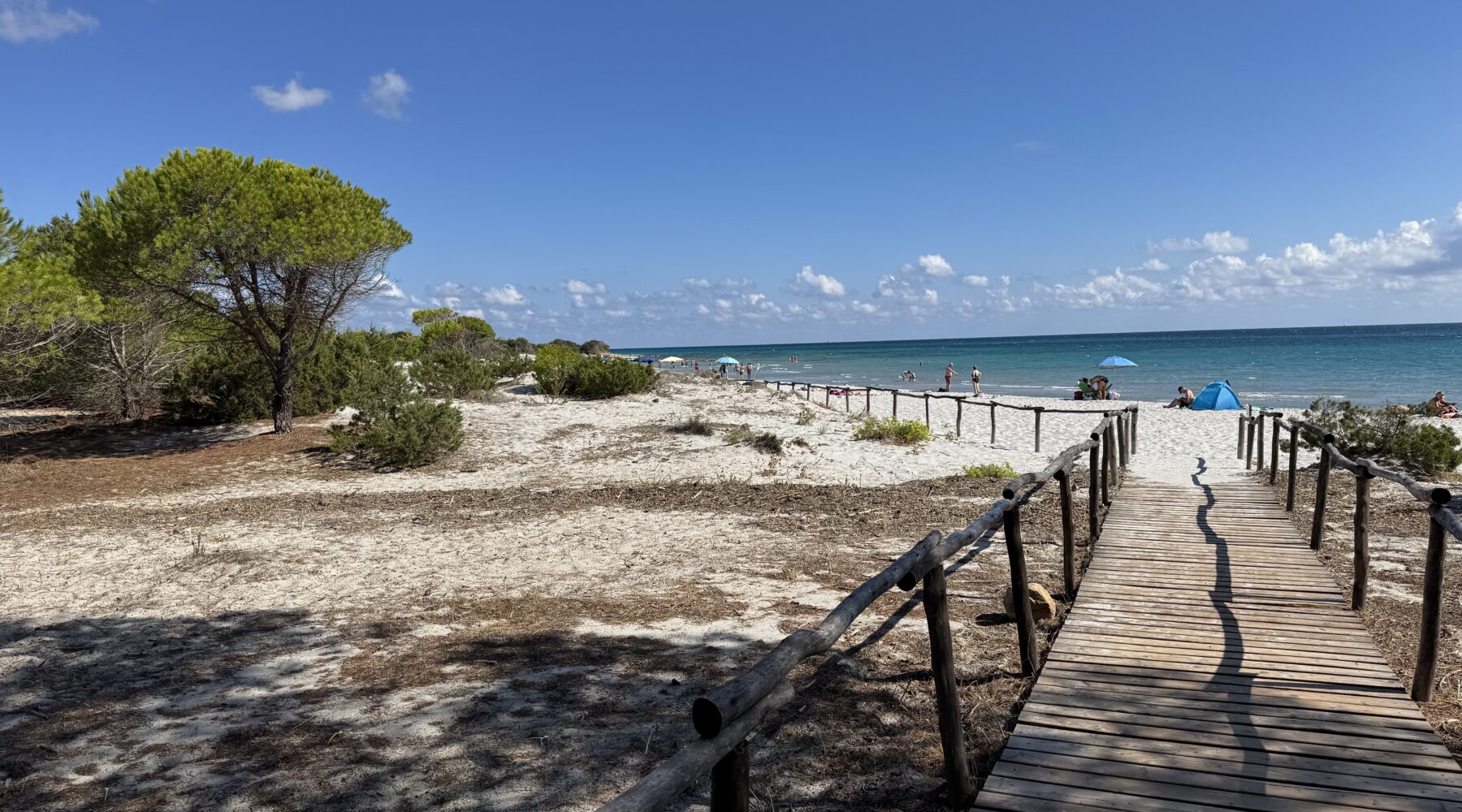
Last updated 7.10.2026
Sardinia is bigger than it looks on the map (it surprised us too). It runs more than 250 kilometres from north to south and has no motorway at all. So when you start listing things to do in Sardinia, beaches are only the start. The island also has thousands of Bronze Age nuraghi, one of the deepest canyons in Europe, ancient cities by the sea, caves you sail into by boat and a mountainous interior that most visitors never see. We have split our 50 places by region, because Sardinia works best when you plan it one part at a time. So where should you go?
Things to do in Sardinia at a glance
- Pick one or two regions. Olbia to Cagliari is three and a half hours by car without stops.
- The most famous beaches need booking in the 2026 season. You won’t get onto La Pelosa (€3.50), Cala Brandinchi (€2), Tuerredda (€3) or Cala Goloritzé (€7) without a reservation made in advance.
- Su Nuraxi near Barumini is Sardinia’s only UNESCO World Heritage Site. Entry is €16 (about £14), guided tours only, and the visit takes an hour.
- Bring cash for Gorropu and Tiscali. Cards are not accepted there.
- Taking sand or quartz pebbles can cost you a fine of €500 to €3,000. And the town of Cabras really does hand them out at Is Arutas.
- The prettiest towns are Bosa, Castelsardo and Alghero; the wildest part of the island is the east coast between Dorgali and Baunei.
A short history, so you know what you are looking at
In a single day you can walk past a Bronze Age tower, Roman baths, a Romanesque church and Catalan city walls. It only makes sense once you know who ruled the island and when.
- The Nuragic people. Between roughly 1600 and 1200 BC, Bronze Age islanders built conical stone towers without mortar, known as nuraghi, together with villages, sacred wells and communal “giants’ tombs”. Estimates put the number of nuraghi across the island at more than seven thousand. The most complete is Su Nuraxi near Barumini (place 39), which according to UNESCO was still lived in during the 3rd century AD. Others stand near Arzachena (8), at Santu Antine (24) and Losa (28), while the giants of Mont’e Prama (27) belong to the late phase.
- Phoenicians and Carthage. From the 8th century BC, Phoenician traders founded ports on headlands by the sea: Nora (35), Tharros (25), Sulci on today’s Sant’Antioco (32) and Karalis, now Cagliari. A stele from the 9th to 8th century BC found at Nora carries the oldest known written form of the name Sardinia. In the 6th century BC Carthage took over the coast.
- The Romans. After the First Punic War, Rome took the island in 238 BC and rebuilt the Punic cities. Most of what you see at Nora and Tharros today, the paved streets, baths, mosaics and theatre, is Roman. The mountains of the Barbagia (47), however, were never fully brought under control.
- The giudicati and the Pisans. When Byzantium lost its grip on the island, four independent kingdoms emerged, the giudicati of Cagliari, Arborea, Torres and Gallura. Their rulers invited monks and builders from Pisa and Genoa, which is why you find Pisan Romanesque churches standing alone in the fields. The Basilica of Saccargia (15) was commissioned by Judge Constantine I of Torres and consecrated in 1116. The stripes of black basalt and white limestone are the signature of Pisan master builders. The Genoese Doria family built the castle at Castelsardo (14), and in the early 14th century the Pisans fortified the Castello district of Cagliari (33).
- Catalans and Spaniards. In 1297 the Pope granted Sardinia as a fief to the King of Aragon, and from 1323 the Aragonese gradually conquered it. In 1354 they expelled the inhabitants of Alghero (19) and resettled the town with Catalans, which is why you can still hear Catalan spoken there. Most of the watchtowers along the coast date from the Spanish period and kept a lookout for pirates.
- The House of Savoy. In 1720 the island passed to the House of Savoy along with a royal title, and the Kingdom of Sardinia was ruled from Turin. In 1861 that kingdom unified Italy. Carloforte (31) dates from this period: in 1738 Genoese settlers moved there from the Tunisian islet of Tabarka and named the town after King Charles Emmanuel III. And Giuseppe Garibaldi spent his last years on Caprera (1).
Things to do in north Sardinia: Gallura, Costa Smeralda and La Maddalena
The north is the best-known and most expensive part of the island. From Palau and Santa Teresa it is a short hop to the La Maddalena archipelago and to Corsica. If you fly into Olbia, this is where you start. Be ready for August parking to make a dent in your budget.
1. The La Maddalena archipelago and Caprera
A national park of seven large islands and dozens of small ones between Sardinia and Corsica. Only the main island, La Maddalena, is inhabited. Delcomar ferries run there from Palau every 30 minutes from six in the morning to eight in the evening, then hourly through the night, and the crossing takes about 20 minutes. Foot passengers pay €4.70 one way in summer (about £4), a car up to four metres €10.20, and from April to October the town adds a €2.50 port fee (Delcomar timetable).
A bridge links La Maddalena with the island of Caprera, where Giuseppe Garibaldi spent the last years of his life. His house is now the Compendio Garibaldino museum (€8, free for under-18s, closed on Mondays, book through the Musei Italiani app). Since 2026 you may only visit Cala Coticcio, the bay nicknamed “Tahiti”, with a park-approved guide, in groups of no more than 15 people and with an extra €3 park fee. Give the islands a whole day. Full-day boat trips leave from Palau, La Maddalena and Santa Teresa.


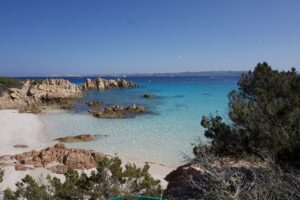
2. The Pink Beach on Budelli
Spiaggia Rosa is the archipelago’s most famous beach and also one that you have not been allowed to set foot on for decades. You can only see it from the deck of a tour boat that passes Budelli. Why it is pink, since when it has been closed, which boats go there and what they cost, we cover in our article on the Pink Beach in Sardinia.
3. Palau, the Porto Faro lighthouse and Roccia dell’Orso
Most people only know Palau as the port for La Maddalena, yet a promenade runs along the coast to a beach with the Porto Faro lighthouse. Five kilometres outside town, Roccia dell’Orso, a granite rock shaped like a bear, sits on a hill. It is about 500 metres up steps from the car park, and 45 minutes is enough for the whole visit. Entry is €3, €2 for children aged 11 to 18, open from 1 April to 2 November from 9:30 (rocciadellorso.com).
4. Costa Smeralda and Porto Cervo
The Emerald Coast was created in the 1960s, when Prince Karim Aga Khan started building a resort for the very rich, with low houses in pastel colours. Its centre is Porto Cervo, with a marina full of superyachts. The best-known beaches are Spiaggia del Principe, Liscia Ruja, Capriccioli and Grande Pevero.
The beaches are public, but the parking isn’t. At Capriccioli you pay €1.50 an hour, up to €7.50 a day (June to September). Allow half a day to a full day for the area and arrive in the morning. We wouldn’t stay here: you get the same sea from Cannigione or Arzachena for a fraction of the price.
5. San Pantaleo
A stone village between Olbia and Porto Cervo, beneath granite peaks, where painters and potters have settled. The best time to come is Thursday morning (roughly May to October), when there is a craft and food market. Otherwise an hour is plenty. Park on the edge of the village.
6. Cala Brandinchi and La Cinta near San Teodoro
Cala Brandinchi is nicknamed “little Tahiti” for its shallow turquoise water and white sand among the pines. From 1 June to 30 September 2026 booking is compulsory: 1,447 people a day are allowed in and entry costs €2 (€1 for guests of local accommodation, free for children under 12). You book on santeodorospiagge.it, always from 18:00 two days ahead (santeodoroturismo.it). The same system applies to neighbouring Lu Impostu.
Without a booking you can swim at La Cinta, a five-kilometre beach right by San Teodoro, where there is room even in August and parking costs €1.50 an hour (€2 in July and August).
7. Tavolara island
A limestone mountain rising 565 metres straight out of the sea opposite Porto San Paolo. Boats from Porto San Paolo take 15 to 20 minutes to the sandy spit with its beaches. From mid-July to the end of August they run between 9:00 and 13:30, returning until 18:30; the operator does not list a price on its website. The waters around are a marine protected area, so bring a snorkel. Half a day is enough.
8. Giants’ tombs and nuraghi around Arzachena
There are seven archaeological sites around Arzachena. Tomba dei Giganti Coddu Ecchju (also spelt Coddu Vecchiu) is a Bronze Age tomb with a tall stone stele, from which two stone arms spread out like a bull’s horns. A kilometre away stands the La Prisgiona nuraghe with its village. On the other side are the Li Lolghi tomb and the Neolithic necropolis of Li Muri.
One site costs €4, two €7, three €10 and all seven €20, free for children under 12 (gesecoarzachena.it). Prisgiona and Coddu Ecchju are open 9:00 to 19:00, Li Muri and Li Lolghi 10:00 to 18:00. Two sites take about two hours.
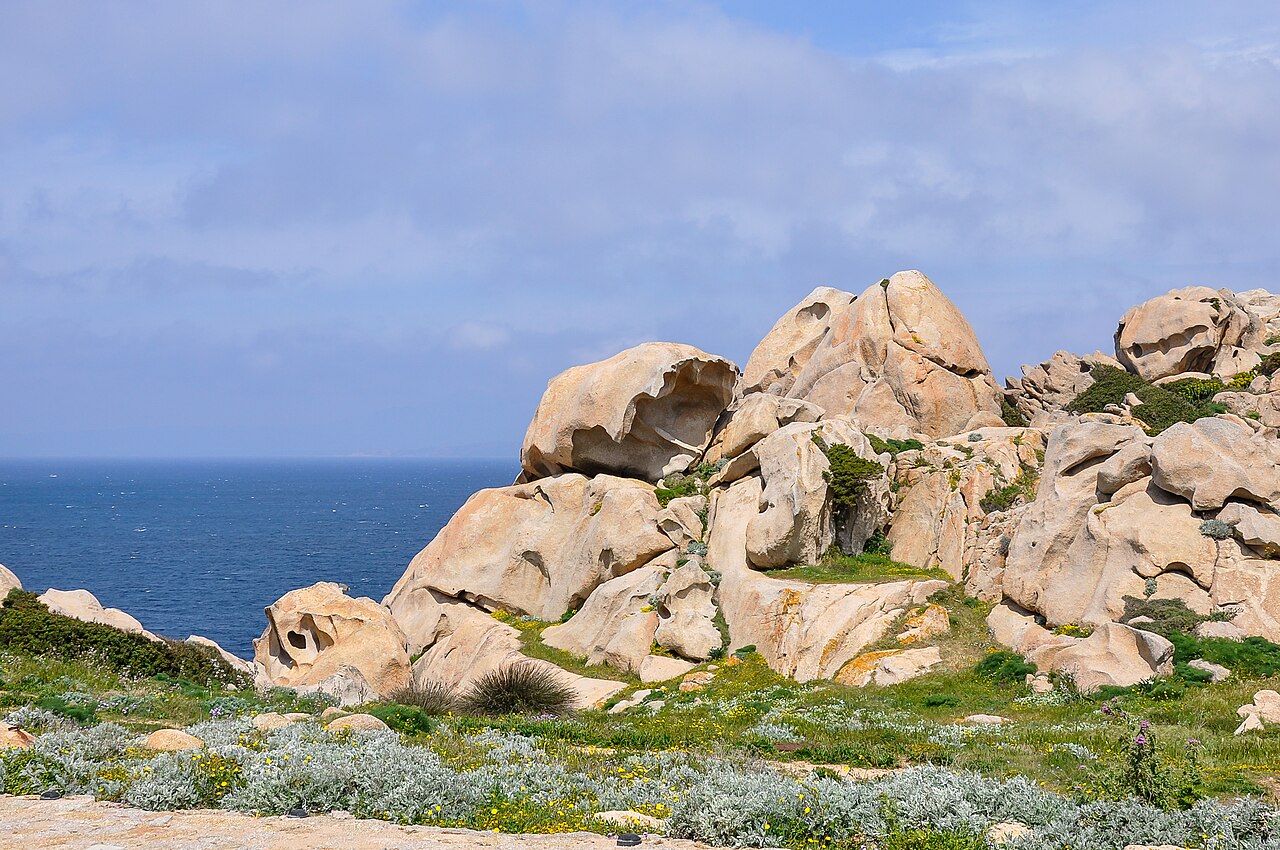
9. Capo Testa and Valle della Luna
A headland joined to Sardinia by a narrow isthmus, where wind and salt have smoothed the granite into shapes you would sooner expect in the Seychelles. Paths wind between the boulders to the lighthouse and to small coves (Cala Spinosa, Cala Francese, Spiaggia Zia Culumba), and about twenty minutes’ walk from the car park lies Valle della Luna, the Valley of the Moon, among giant granite blocks. On a clear day you can see Corsica.
Since 1 June 2026 parking on the headland is paid and monitored by number-plate cameras; parking outside marked bays is banned. We like it best in the morning, when the rocks are still cool and only a handful of people are on the paths.
10. Santa Teresa Gallura and a day trip to Corsica
A small town on the island’s northernmost tip with Rena Bianca beach right below the centre. It also needs booking from 1 June to 30 September 2026 (lovesantateresa.it/booking), and 70% of the places are released 72 hours ahead. Above the beach stands the Spanish Longonsardo tower (open in July and August, €2.50), and outside town the Nuragic village of Lu Brandali, where a separate visit costs €3 (santateresaturismo.it).
Moby and Ichnusa Lines ferries sail from the port to Bonifacio in Corsica. The crossing takes about 50 minutes and a one-way foot passenger ticket starts at roughly €33 depending on the date. Bonifacio, perched on limestone cliffs, is well worth a full day.
11. Porto Pollo and Isola dei Gabbiani
A small peninsula between Palau and Santa Teresa, joined to the mainland by a sandy isthmus, so you can swim on two sides. It is windy almost all the time, which makes it a well-known spot for windsurfing and kitesurfing. Two hours is enough.
12. Costa Paradiso, Li Cossi beach and Isola Rossa
On the north-west coast the granite turns red and pink. Li Cossi beach sits in a cove below the Costa Paradiso resort; from the car park it is about ten minutes on a path with a handrail and there is nothing to pay. It is small, so it fills up during the day. We would come late in the afternoon, when the rocks turn orange at sunset.
A little further west is the fishing village of Isola Rossa with its Spanish tower, and beyond it kilometres of sand at Badesi with a gently shelving entry into the sea.
13. Tempio Pausania, Monte Limbara and the thousand-year-old olive trees
A stone town in the granite mountains of inland Gallura, where people come to escape the heat. Above it rises Monte Limbara, whose highest point is Punta Balistreri (1,362 m). By Lake Liscia, near the village of Luras, grow the Olivastri millenari di Santu Baltolu, wild olive trees, the oldest of which is estimated to be around 4,000 years old. Entry costs €5, or €22 with a boat trip on the lake (olivastrimillenariluras.it); open from April to early November, and an hour is enough. In season the historic Trenino Verde train runs between Tempio and Luras.
Things to do in north-west Sardinia: from Castelsardo to Bosa
Historic towns, Catalan Alghero, a wilder coastline and the island’s most famous beach. Alghero airport is small and easy to find your way around, and from there you can reach most of these places on day trips.
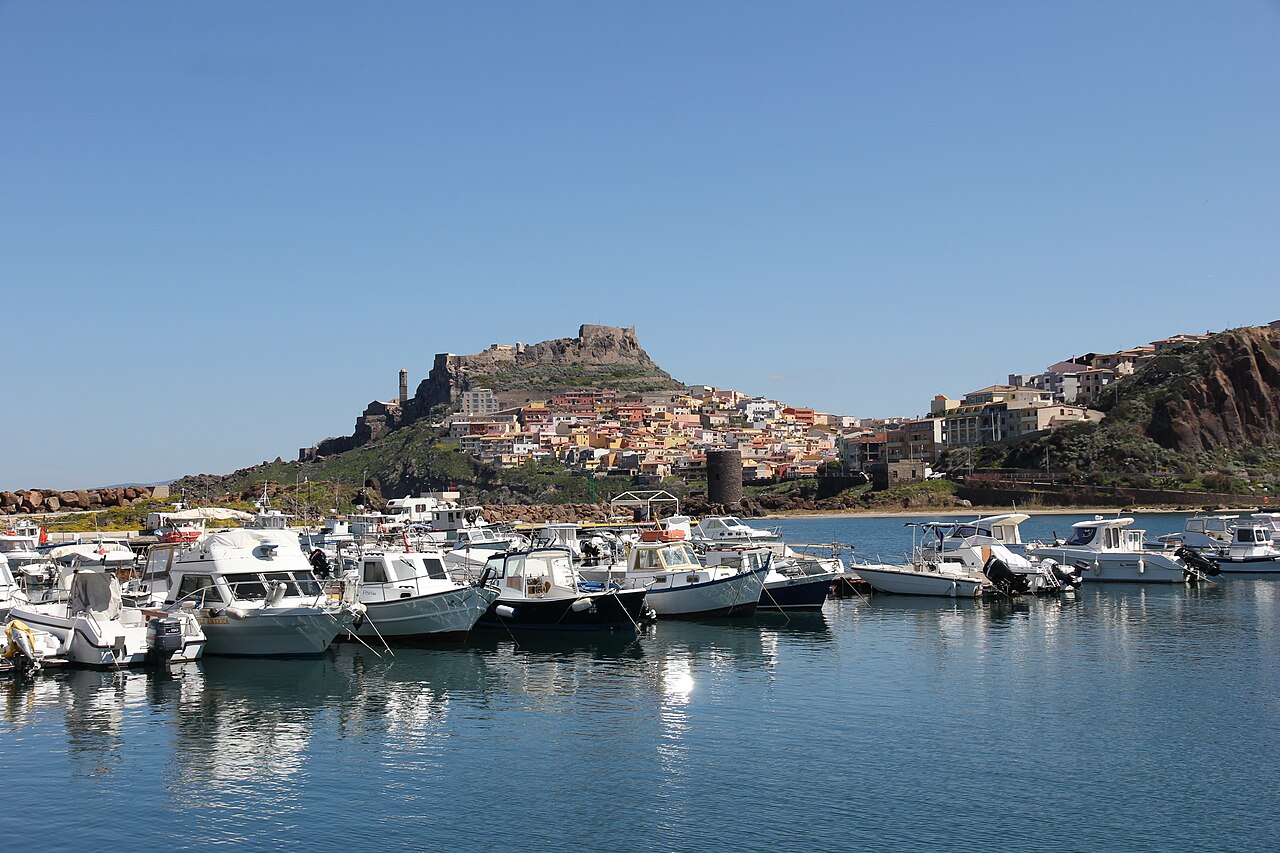
14. Castelsardo and the Elephant Rock
Colourful houses on a rock above the sea, topped by the Castello dei Doria, built by the Genoese in the 12th century. Inside is the Museo dell’Intreccio, a museum of basket weaving. Entry is €5, €4 for children aged 6 to 16, and in July it stays open until midnight, in August until one in the morning (mimcastelsardo.it; some sources mention a €10 combined ticket). Allow two to three hours for the town and park below the centre; you walk up the steps.
Four kilometres away, by the SS134 road towards Sedini, stands Roccia dell’Elefante, a volcanic boulder shaped like an elephant with two domus de janas tombs carved into it. A five-minute stop, and free.
15. Sassari, Monte d’Accoddi and the Basilica of Saccargia
The island’s second-largest city, which tourists almost ignore. It is worth a walk past the Fontana di Rosello, across Piazza d’Italia and into the Sanna National Museum. Thirteen kilometres from the city lies Monte d’Accoddi, a prehistoric stepped altar often compared to a Mesopotamian ziggurat. Entry €5, free for under-18s, closed on Mondays (montedaccoddi.cultura.gov.it).
Near Codrongianos, the Romanesque Basilica of Santissima Trinità di Saccargia stands alone in the fields, with a striped facade of black and white stone. Entry is around €3 and it is usually open from April to October, 9:00 to 18:00. Both are one-hour stops.
16. La Pelosa and Stintino
La Pelosa, with its shallow turquoise water and a watchtower on a little islet, is the most photographed beach in Sardinia. From 15 May to 15 October 2026 you must book on the only official website, spiaggialapelosa.it: 1,500 places a day at €3.50 per person (children under 12 do not need a booking). Towels may only go down on a mat, dogs and smoking are restricted, and breaking the rules can mean a fine of €25 to €500. The car park charges in season.
Four kilometres from the beach is the fishing town of Stintino, with the MuT tuna museum at €5 (mutstintino.com). If you can’t get a booking, swim a little further on at Le Saline or Ezzi Mannu.
17. Asinara National Park
Until the late 1990s, the long island opposite La Pelosa was a maximum-security prison. Today it is a national park, home to white (albino) donkeys. Cars are not allowed: you get around by tourist train, by bike, in a hired electric car or on foot. Dogs and drones are banned.
From Stintino a boat to Fornelli takes about 20 minutes and costs €15 (children €10), and a full-day trip with the train, a guide and lunch costs €75 (treninoverdeasinara.it). From Porto Torres, the public Delcomar service to Cala Reale takes about an hour and a half, €12 one way in summer. On top of that there is always an entry fee of €5 (in summer), paid in cash. Plan on a full day.
18. Argentiera
An abandoned mining village on the Nurra coast between Alghero and Stintino, 43 km from Sassari. A wooden ore-processing plant (laveria) stands above the sea, and between the buildings is the open-air Open MAR museum with digital installations (sardegnaturismo.it). There is a small beach below the village. An hour or two, and one of the strangest places on the island.
19. Alghero
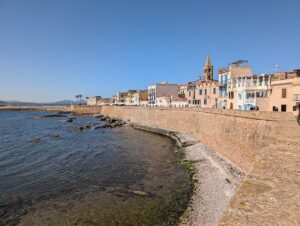
The town people call little Barcelona. The old town’s narrow lanes are wrapped in sea walls, which is where everyone goes for an evening stroll. The whole centre is a ZTL zone (limited traffic), so leave the car in the car parks by the harbour. Half a day is enough for the town itself, but it makes a good base for the north-west for a whole week. We cover the walls, beaches, food and surroundings in our Alghero guide.
20. Capo Caccia and Grotta di Nettuno
A limestone headland 24 km from Alghero with cliffs up to 170 metres high. Below it lies Neptune’s Grotto, with stalactites and an underground lake, reached by boat from Alghero or down the Escala del Cabirol staircase (around 650 steps). The cave closes when the sea is rough, so don’t leave it for the last day of your holiday. Tickets, tour times and the bus from Alghero are in our Grotta di Nettuno article.
Close by, a path of about ten minutes leads from the road to the Grotta delle Brocche Rotte cave, with a view over the whole headland, and it is free.

Alghero: boat trip with snorkelling at Porto Conte and Capo Caccia


21. Nuraghe Palmavera and the Anghelu Ruju necropolis
Two archaeological sites right next to Alghero that you can combine in a morning: the Nuragic village of Palmavera, with a tower and the remains of stone huts, and the prehistoric necropolis of Anghelu Ruju, with domus de janas tombs cut into the rock. Each costs €7, a combined ticket €12, open 10:00 to 19:00 from May to September (nuraghepalmavera.it).
22. Porto Ferro
Almost two kilometres of golden sand between pine forest and dunes, with three watchtowers. Free to enter, no booking and no cap on numbers. It is half an hour by car from Alghero; you park on unpaved ground by Lake Baratz and walk about ten minutes across sand and through the pines to the sea. This is our answer to where to go when you haven’t got a La Pelosa booking. Just expect bigger waves when the mistral blows.
23. Bosa
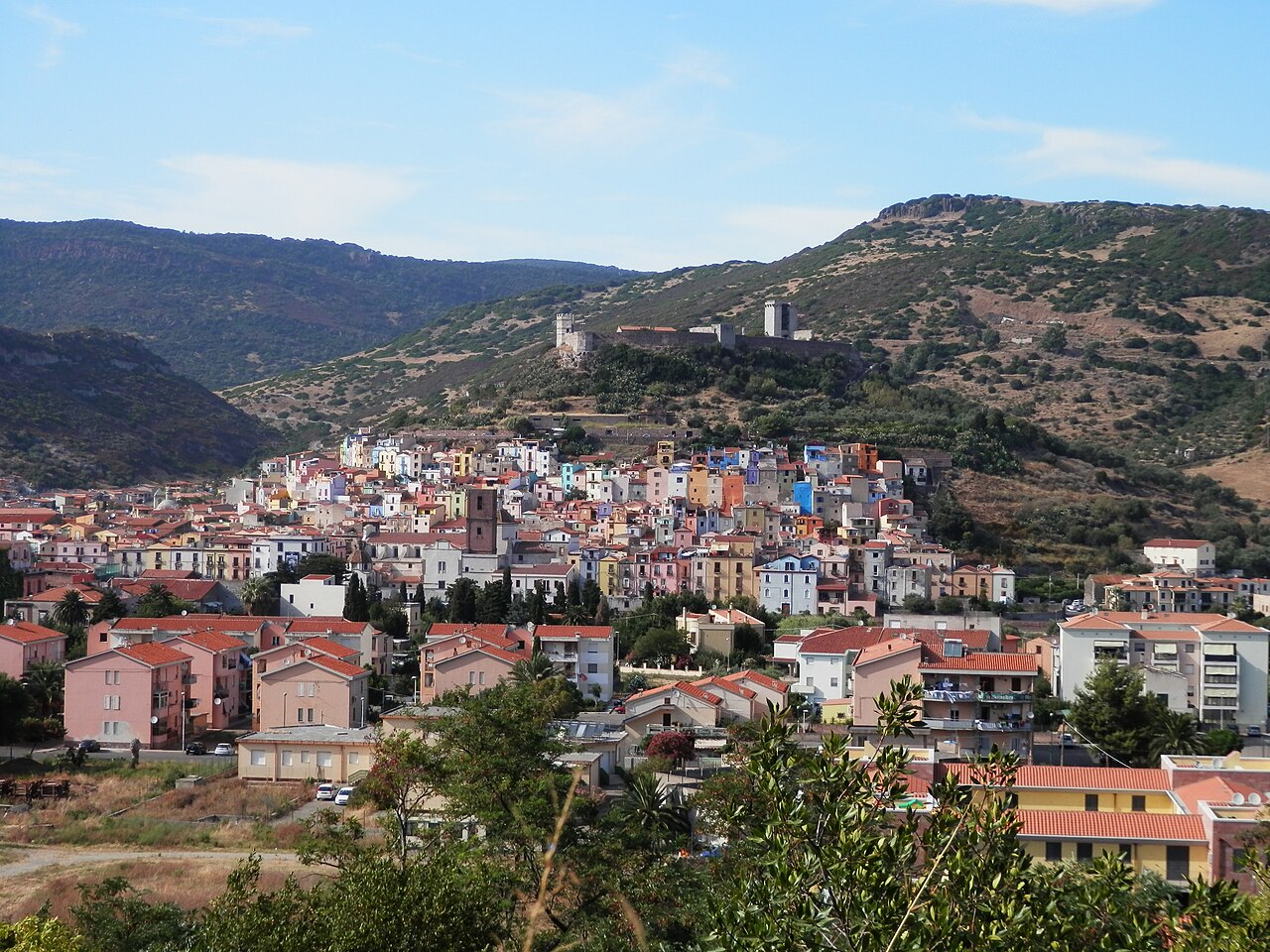
The brightly painted houses of the Sa Costa quarter climb the hill to the 12th-century Malaspina castle, and below them flows the Temo, the island’s only navigable river. In our view Bosa is the prettiest small town in Sardinia. From Alghero it is 45 km along the SP105 coast road, one of the most scenic drives in Italy, about an hour by car.
Allow two to four hours for the town; there is free parking by the bridge over the river. Bosa Marina beach is three kilometres from the centre. We would stay the night: in the evening, once the day-trippers have left, Bosa is a different place.
24. Nuraghe Santu Antine
One of the largest and best-preserved nuraghi on the island, in the “valley of the nuraghi” near Torralba, an hour by car from both Alghero and Bosa. The central tower is surrounded by a triangular wall with further towers. Entry €10, €6 for children aged 6 to 13, including the Museo Valle dei Nuraghi. Open 9:00 to 20:00 from April to September (nuraghesantuantine.it). If you can’t fit in Barumini in the south, you get almost the same experience here. Allow an hour and a half.
West and south-west Sardinia: the Sinis peninsula, Costa Verde and the islands
The west coast is wilder, windier and less built up than the north: ancient cities, beaches made of quartz grains, huge dunes and a mining past.
25. Tharros and the Sinis peninsula
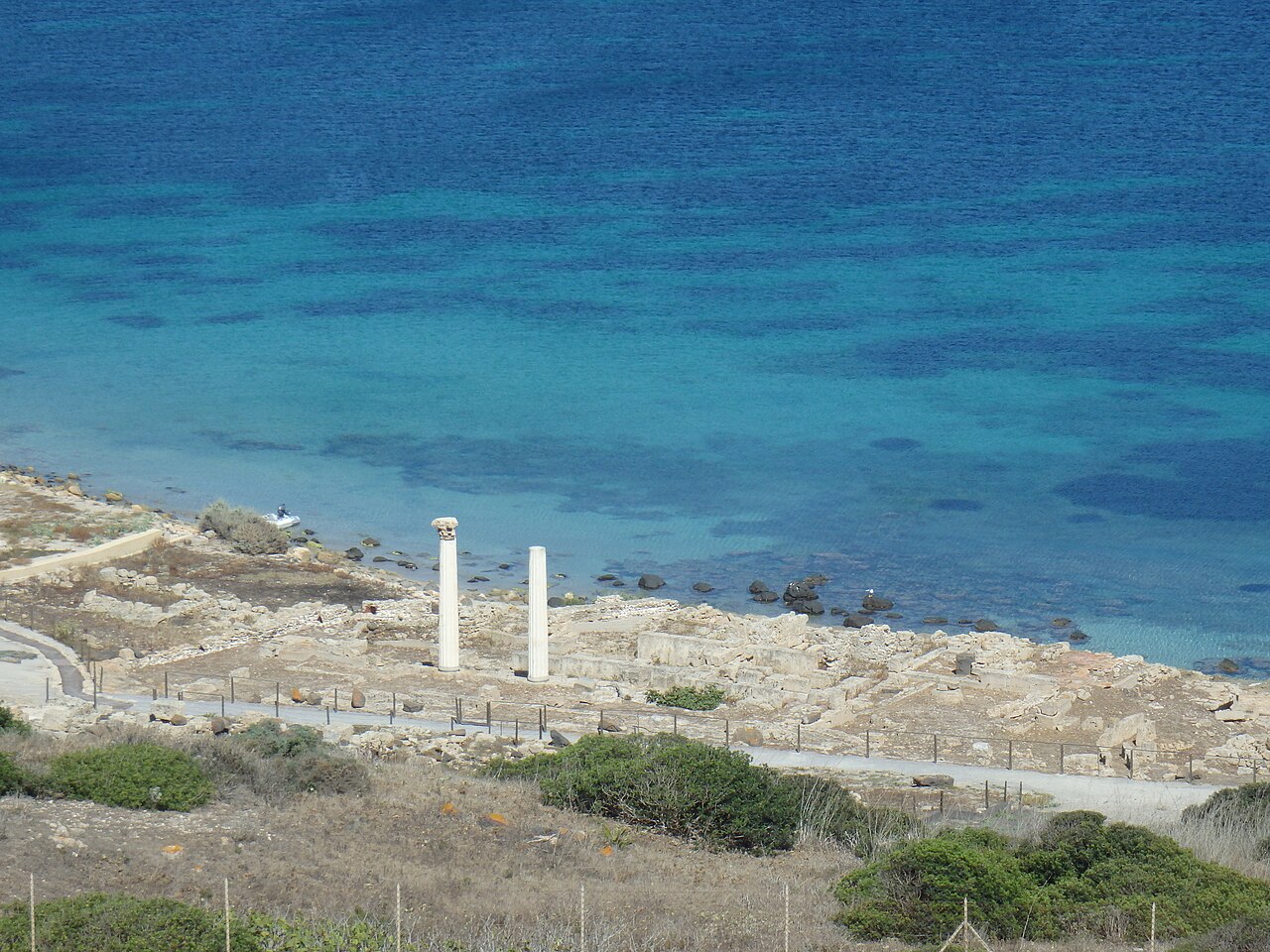
An ancient city on a narrow spit at the tip of the Sinis peninsula. Paved streets, baths, temple foundations and two Roman columns just above the sea have survived. An hour to an hour and a half is enough for the site, and then you can walk up to the Torre di San Giovanni tower above it.
Tickets are sold mainly as combos: Tharros, the Cabras museum and the tower for €15, or €18 including the Mont’e Prama statues (ticket sales). Below Tharros is the long beach of San Giovanni di Sinis.
26. Is Arutas, Mari Ermi and Putzu Idu
The beaches on the western shore of Sinis have no sand at all, just tiny polished grains of quartz in white, pink and pale green. The best known and easiest to reach is Is Arutas; Mari Ermi is similar. The water gets deep quickly and is crystal clear. At the northern end of the peninsula is Putzu Idu, a strip of sand between the sea and a lagoon.
Don’t take any grains, not even in your pocket. The town of Cabras really does fine people for removing sand and quartz (town council news). You can watch flamingos on the lagoons around Cabras.
27. The stone giants of Mont’e Prama in Cabras
In the 1970s farmers ploughing near Cabras turned up thousands of fragments, from which archaeologists have pieced together dozens of stone statues of warriors and archers with round eyes, some standing up to about two and a half metres tall. Most are on display in the Museo Civico Giovanni Marongiu in Cabras, open from June to September, 10:00 to 20:00. The best value is the combined ticket with Tharros. An hour is enough, and it makes a perfect refuge from the midday heat.
28. Nuraghe Losa and the Santa Cristina sacred well
Two Nuragic sites right by the SS131 main road between Cagliari and Sassari, so they work well as a stop when crossing the island. Nuraghe Losa near Abbasanta is a three-sided fortress with a central tower, entry €6 (nuraghelosa.net), open from 8:30 until an hour before sunset. Ten minutes away near Paulilatino is the sacred well of Santa Cristina, where perfectly cut stone steps lead underground to the water. Entry €9, €5 for children aged 6 to 13 (pozzosantacristina.com). Each takes about an hour.
29. The Piscinas dunes and the mining village of Ingurtosu
On the Costa Verde, huge grass-covered sand dunes rise behind Piscinas beach, more than three kilometres long and almost free of buildings. The way there runs past the abandoned mining village of Ingurtosu and then along about ten kilometres of unpaved road. An ordinary car can manage it, though something higher is more comfortable. According to reviews, parking by the beach costs around €15 a day. Give it half a day and take water.
30. Porto Flavia and Cala Domestica
A loading port carved into the cliff above the sea near Masua, from which ore was poured straight into ships in the 1920s and 1930s. The guided tour takes about 50 minutes: you walk through a 600-metre tunnel, then down 108 steps to the lower gallery, and at the end you stand in an opening in the rock facing the Pan di Zucchero sea stack. Entry €13, €8 for children aged 6 to 12 and seniors, and closed shoes are compulsory. Tickets are sold on iglesiasturismo.it, and if you arrive late, you lose your tour. Parking is free.
A little further north is Cala Domestica, a beach in a narrow rocky cove. In our view this is the most underrated corner of Sardinia.
31. Carloforte on San Pietro island
The only town on the volcanic island of San Pietro, about fifteen kilometres off the coast, with pastel houses by the harbour and tuna on every menu. The Delcomar ferry runs from Portovesme almost every hour and takes about 40 minutes; in summer it costs €5.40 for a foot passenger and €13.20 for a car one way, plus a port fee (delcomar.it). Keep a whole day for the trip.
32. Sant’Antioco and the Montessu necropolis
An island joined to the mainland by a road. The town of Sant’Antioco stands on the site of the Phoenician city of Sulci, and the archaeological park with its museum and tophet sanctuary costs €7, or €17 for all the sites together (parcostoricoarcheologicosantantioco.it). In the south of the island are the quiet beaches of Maladroxia and Coaquaddus.
Back on the mainland, about half an hour away near Villaperuccio, is the Neolithic necropolis of Montessu, with dozens of tombs carved into a natural rock amphitheatre. Entry is around €5.
Things to do in south Sardinia: Cagliari, Chia, Villasimius and the interior
The south is the easiest part of the island to reach. Cagliari has the most flights (from the UK, Ryanair flies from London Stansted and British Airways from London Gatwick in summer), and from the city you can get to the beach without a car. West of the city are the beaches of Chia, east of it Villasimius, and an hour inland stands Sardinia’s most famous monument.
33. Cagliari and the Castello district
The capital is built on several hills, and on the highest sits Castello, the walled old town with the 14th-century Pisan towers of Torre dell’Elefante and Torre di San Pancrazio. You can climb the Elephant Tower (€3). Below the walls is the Bastione di Saint Remy terrace, looking out over the port and the lagoons, at its best at dusk. Castello is also home to Santa Maria cathedral and the National Archaeological Museum, with bronze figurines of Nuragic warriors, open daily 8:30 to 19:30; a combined ticket with the picture gallery costs €10, free for under-18s (museinazionalicagliari.cultura.gov.it).
The Roman amphitheatre, carved into the rock, has been closed since 2011; the city has promised a partial reopening at the end of summer 2026. Allow a day for the centre. As a car-free base, Cagliari is the most practical place on the whole island.
34. Poetto beach, the Devil’s Saddle and the flamingos of Molentargius
Poetto is an eight-kilometre city beach with bars and a promenade, served from the centre by CTM buses PF and PQ (ctmcagliari.it). At its end rises the Sella del Diavolo (Devil’s Saddle) headland, reached from Calamosca cove by a loop of just under four kilometres with views over the whole Gulf of Angels.
Right behind the beach are the lagoons and salt pans of Molentargius park, where flamingos live all year round. Entry on foot or by bike is free, and a guided Eco Safari minibus tour costs €25 (parcomolentargius.it).

Cagliari: boat trip to the Devil’s Saddle with 4 stops and prosecco


35. Nora
An ancient city on a headland near Pula, 30 km from Cagliari. A theatre with the sea as its backdrop (still used for summer performances), baths and mosaic floors have survived. Entry €10, €6 for under-18s; a guided tour is included, but you have to book it by email. Open 9:00 to 20:00 from June to September (fondazionepulacultura.it). An hour to an hour and a half is enough, and afterwards you can swim at Nora beach right next door.
36. Chia and Tuerredda
An hour’s drive south-west of Cagliari is Chia, where juniper-covered dunes alternate with the bays of Su Giudeu and Monte Cogoni, watched over by the 17th-century Torre di Chia. Parking at Baia Chia costs €5 a day, or €3 after 16:00.
Just past Capo Malfatano is Tuerredda, a beach in a deep bay with a green islet about 200 metres offshore that you can swim to. From 2 June to 15 October 2026 1,100 people a day are allowed in. You book on spiaggiatuerredda.it, always from 8:00 for the following day, and entry costs €3 (Teulada council). Sources put parking at around €10 a day.
37. The dunes of Porto Pino
On the south-western tip lies the bay of Porto Pino, with white dunes that various sources say reach around 30 metres. The dunes border the Capo Teulada military zone, are open only in summer, roughly July to September, and you may only walk on marked paths. The northern part of the beach has facilities and restaurants; to reach the dunes in the south, walk over a wooden boardwalk from the second car park.
38. Villasimius, Punta Molentis and Costa Rei
On the other side of Cagliari, an hour by car, is the Capo Carbonara marine protected area. Porto Giunco beach has the sea on one side and the Notteri lagoon with its flamingos on the other, with a Spanish tower above it. Punta Molentis, with white sand and granite boulders, has had restricted access since June 2026: €10 per person, no more than 190 people at a time, no booking, until it is full (operator). Some media, however, report that booking is compulsory, so check before you go.
North of Villasimius begins Costa Rei, a resort with one long sandy beach (sardegnaturismo.it gives more than 10 km) where you will always find a spot.
39. Su Nuraxi di Barumini
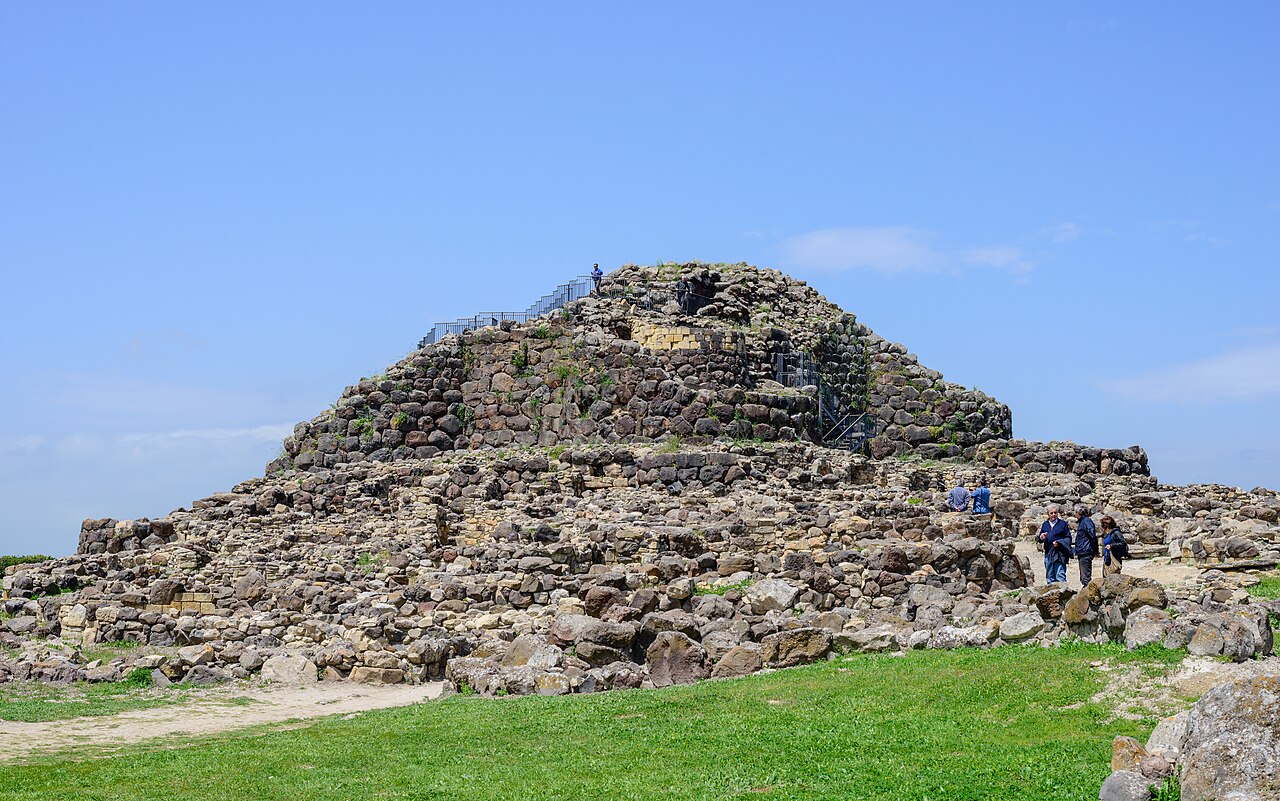
Sardinia’s most famous nuraghe and the only one on the UNESCO World Heritage list (since 1997). The Bronze Age central tower, originally over 18 metres tall, is surrounded by four smaller towers joined by a wall, with a village of round stone huts around it. The passages are narrow and steep, so wear sturdy shoes; you can’t get through with a pushchair or a wheelchair.
Visits are by guided tour only, starting every 30 minutes and lasting an hour. Entry €16 (about £14), €14 for ages 13 to 17, €12 for ages 7 to 12, including Casa Zapata and the Giovanni Lilliu Centre. From May to August it is open 9:00 to 20:00, with the last tour at 19:00 (fondazionebarumini.it). It is about an hour by car from Cagliari, and parking is free. We would go for the first tour of the morning; at midday in summer the site bakes.
40. Giara di Gesturi and the wild horses
A basalt plateau of roughly 45 km² at around 500 metres, three kilometres from Barumini. It is covered in oak woods and maquis and is home to most of the population of wild Sardinian ponies. The best-equipped entrance is from the village of Tuili, with free parking. You are most likely to see the ponies in the morning or late afternoon. Combine it with Barumini and you have a full day inland.
Things to do in east Sardinia: Golfo di Orosei, Supramonte and Barbagia
Here limestone mountains drop straight into the sea, and the SS125 road between Dorgali and Baunei ranks among the most beautiful in Italy. The interior just behind the coast is the wildest part of the island. Of all of Sardinia, this is the part that suits us best.
41. Golfo di Orosei: Cala Luna, Cala Mariolu and coves you can only reach by sea
More than thirty kilometres of cliffs between Cala Gonone and Santa Maria Navarrese, with the coves of Cala Luna, Cala Mariolu, Cala dei Gabbiani, Cala Biriola and Cala Sisine. No road reaches them; you go by boat from Cala Gonone, Santa Maria Navarrese or Arbatax. A boat to Cala Luna with Cala Gonone Crociere costs €35 (about £30) in the 2026 season. The coves, boats, the Bue Marino cave and the hikes are all in our Golfo di Orosei article. Keep at least one full day for it; in our view, two is better.
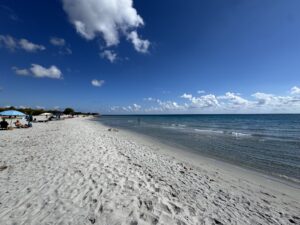

Cala Gonone: boat excursion to Cala Mariolu and Cala Goloritzè


Cala Gonone: boat trip to the Bue Marino cave and Cala Luna beach
42. Cala Goloritzé
A small cove of white pebbles with a natural rock arch and the limestone spire of Punta Caroddi. Boats are not allowed to land, so the only legal way in is on foot from the Golgo plateau above Baunei, starting at the Su Porteddu car park. The path is about 3.6 km long with 500 metres of height difference; going down takes roughly an hour and a half, coming back up two hours.
Entry costs €7 (about £6), free for children under 5, and you book on heartofsardinia.com or in the Heart of Sardinia app. Slots open at midnight three days ahead; 250 people may be on the beach at any one time, and entry is between 7:30 and 17:00. Sturdy closed shoes are compulsory and tickets are non-refundable. There is no shade, no water and no bar on the beach, so bring at least two litres per person. We would take the first morning slot, while the path is still in shade.
43. Cala Gonone
A former fishing village that you drive down to through a tunnel from Dorgali. It is the main port for boats to the coves and has a few beaches of its own (Cala Fuili, Palmasera, and Cartoe and Osalla nearby). From Cala Fuili you can walk to Cala Luna, an hour and a half to two and a half hours each way. In our view it is the most convenient base for the east; there is more in our Cala Gonone guide.
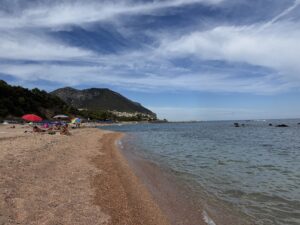
44. Grotta di Ispinigoli
A cave in the hills above Dorgali with a limestone column 38 metres tall, the highest in Europe according to the operator. Around 280 steps lead down, and inside it is about 16 °C. Tours start on the hour (10:00 to 18:00 in July and August) and last about 45 minutes.
The Dorgali museum website gives entry as €10 (about £8.50), reduced €5, while other sources quote €8 outside the high season (operator information). There is also a €18 combined ticket with Bue Marino and the archaeological museum in Dorgali.
45. Gola su Gorropu
A canyon in the Supramonte mountains with walls up to 500 metres high; inside, you scramble over giant boulders. You walk in from the Genna Silana pass on the SS125, or on a longer but flatter route from the Sa Barva bridge near Dorgali. Entry costs €6 (about £5), €4 for children aged 6 to 17, cash only, paid at the entrance, and people are let in from 10:00 to 16:30 (gorropu.info). Plan on a full day. Routes, timings and the jeep shuttle are covered in our Gola su Gorropu article.
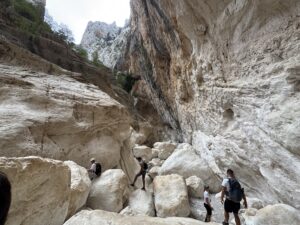
46. Tiscali and the Lanaittu valley
A Nuragic village hidden inside a huge collapsed sinkhole at the top of a mountain. From outside you see nothing until you squeeze through a narrow gap in the rock, and then you are standing among the remains of stone huts, lit from above.
You walk up from the Valle di Lanaittu between Oliena and Dorgali, about an hour and a half to two hours each way on a steep, rocky path. Entry is €6, reduced €3, cash only, open 9:00 to 19:00 from May to September and until 17:00 the rest of the year. Allow half a day for the whole trip. On the way is the Su Gologone spring, where entry to the park costs €2 (sorgentisugologone.it).
47. Orgosolo, Mamoiada and Nuoro
Orgosolo is famous for its murales, paintings on house fronts that have been appearing here since 1969 and comment on politics, wars and shepherds’ lives. Give yourself an hour or two to walk the lanes. Park on the edge of the village; the centre is closed to cars.
Close by is Mamoiada, the village of the mamuthones carnival masks. The Museo delle Maschere Mediterranee costs €9, is open 10:00 to 18:00 and closed on Tuesdays. Nuoro has the Museo del Costume with traditional dress from all over the island (€5), and above the town rises Monte Ortobene with a bronze statue of the Redeemer from 1901 at 925 metres, reached by a road about seven kilometres from the centre.
48. Pedra Longa, Santa Maria Navarrese and Rocce Rosse
Pedra Longa is a 128-metre limestone spire rising straight out of the sea below Baunei, and the last place on this coast you can drive to. It is the start of the Selvaggio Blu trail, about 40 kilometres to Cala Luna, usually walked over five days with a guide and ropes. From the resort of Santa Maria Navarrese it is about two hours on foot to Pedra Longa.
A little further south in Arbatax, right by the port, stand the Rocce Rosse, red porphyry rocks, free to visit. Arbatax is also the starting point of the historic Trenino Verde train to Lanusei (€12 one way, €16 return, treninoverde.com).
49. Ulassai, Su Marmuri cave and abandoned Gairo Vecchio
A mountain town below limestone walls and the birthplace of the artist Maria Lai. Her work is on show at the Stazione dell’Arte (€12, closed on Mondays). Just above the town is the Su Marmuri cave, with stalactite halls up to 70 metres high; guided tours only, from spring to October. Inside it is about 10 °C, so bring a jumper even in August. The town does not publish the price; bookings by phone on +39 0782 79859.
On the way lies Gairo Vecchio, a village abandoned after floods and landslides in 1951. Entry is free, but don’t go into the houses, as they may collapse. In our view it is one of the most powerful places in the interior.
50. Gennargentu and Punta La Marmora
The island’s highest mountain range, with long bare ridges and pastures. The easiest way up the highest summit, Punta La Marmora (1,834 m), is trail 702 from the Bruncu Spina station near Fonni: 4.9 km, roughly two hours each way and a little over 400 metres of ascent (sardegnasentieri.it). On a clear day you can see the sea on both sides of the island. In winter there is a ski lift at Bruncu Spina.
Sardinia beaches that need booking, and entry fees at a glance
The places on this list where you pay to get in or need to book ahead in the 2026 season. Prices are per adult.
| Place | Entry 2026 | Booking |
|---|---|---|
| La Pelosa (Stintino) | €3.50 (about £3) | compulsory 15 May to 15 Oct, 1,500 people a day |
| Cala Brandinchi (San Teodoro) | €2 (about £1.70) | compulsory 1 June to 30 Sept, from 18:00 two days ahead |
| Tuerredda (Teulada) | €3 (about £2.50) | compulsory 2 June to 15 Oct, from 8:00 for the next day |
| Cala Goloritzé (Baunei) | €7 (about £6) | compulsory, three days ahead, 250 people at a time |
| Cala Mariolu (from the sea) | €2 to €3 (about £2) | QR code in the Heart of Sardinia app, 1 May to 20 Oct, often included by tour boats |
| Punta Molentis (Villasimius) | €10 (about £8.50) | no, until the 190 places are full |
| Cala Coticcio (Caprera) | €3 + guide | guided visits only, groups of up to 15 |
| Grotta di Nettuno (Alghero) | €18 (about £15) | yes, a time slot if you arrive overland |
| Porto Flavia (Masua) | €13 (about £11) | recommended, tours at fixed times |
| Nora (Pula) | €10 (about £8.50) | guide booked by email |
💡 Sort out cash and bookings the evening before. At Gorropu and Tiscali they won’t take cards, and you may have no signal. Booking windows open at a set time (La Pelosa two days ahead, Tuerredda at 8:00 for the next day, Goloritzé at midnight three days ahead) and August dates sell out fast.
Where to stay in Sardinia to see all of this
We cover the island’s regions, types of accommodation and seasonal prices in our article on where to stay in Sardinia. For this list, one rule is enough: pick two bases and move between them, not every day. Sixty kilometres in the mountains can easily take an hour and a half.
For the north-west (places 14 to 24) the best choice is accommodation in Alghero; if you want peace and quiet and evening atmosphere, try places to stay in Bosa. For the north and La Maddalena, Palau or Santa Teresa Gallura are the practical options.
For the west and Sinis, stay in Cabras; for the south and Barumini, accommodation in Cagliari. And for the whole east, the Gulf of Orosei, Gorropu and Tiscali, we would stay in Cala Gonone or, a little cheaper, in Dorgali.
Hotel tips by region
We checked all the places below on Booking.com in September 2026, and the ratings are Booking scores. More tips and a comparison of areas are in our article on where to stay in Sardinia.
North and La Maddalena (places 1 to 13)
Palau
- Palau City Hotel (Palau): 700 metres from the port where the ferries leave for La Maddalena and a seven-minute walk from Porto Faro beach. The hotel’s private car park is handy in August; the 7.7 rating is rather average.
- La Fonda (Palau): a B&B 600 metres from Palau Vecchio beach, rated 9.6. Good for a couple who want to catch the first boat to the islands in the morning.
Santa Teresa Gallura
- Rosa dei Venti Affittacamere (Santa Teresa Gallura): air-conditioned rooms 300 metres from Rena Bianca beach, rated 9.0. The cheaper option if you are heading for Capo Testa and Corsica.
- Gallura Hotel (Santa Teresa Gallura): a three-star hotel with an Italian breakfast, 600 metres from Rena Bianca, rated 8.6. You can walk to the centre and to the port for Corsica.
North-west (places 14 to 24)
Alghero
- Hotel Oasis (Alghero): a few steps from the beach, with a pool, a children’s playground and free parking. A bus from right outside the hotel takes about ten minutes to the centre, and the airport is 7 km away.
- Agriturismo Porticciolo (Porto Conte near Alghero): detached cottages with verandas in Porto Conte park, 400 metres from Porticciolo beach. Capo Caccia and Grotta di Nettuno are closer from here than from town, but you need a car.
- Villa Las Tronas Hotel & SPA (Alghero): a former royal residence on a rocky promontory ten minutes’ walk from the centre, with a pool above the bay and a spa. For a special occasion.
Bosa
- Palazzo Pischedda (Bosa): a boutique hotel 50 metres from the Ponte Vecchio bridge, with rooms overlooking the Temo river or Malaspina castle, a restaurant and free parking. Rated 8.9.
- Bosa Queen House (Bosa): a small guesthouse with air-conditioned rooms, rated 9.4; Bosa Marina beach is 2.6 km away. A good choice if you want to spend the night in Bosa without paying hotel prices.
West and Sinis (places 25 to 32)
Cabras
- Hotel Villa Canu (Cabras): a historic country house on the edge of the lagoon, where most rooms open onto the garden. Sinis, Tharros and the Mont’e Prama museum in Cabras itself are all close.
- Torremana (Cabras): rooms with air conditioning and a coffee machine, a garden and a 9.9 rating; Tharros is 13 km away. The Costa Verde and Piscinas are a longer drive from Cabras, so set off early that day.
South and Barumini (places 33 to 40)
Cagliari
- Hotel Aristeo (Cagliari): a simple three-star hotel with air conditioning and breakfast, practical if you just need a bed. You drive from here to Nora and Barumini.
- Bianca Dimora (Cagliari): apartments with breakfast and a terrace, 700 metres from the National Archaeological Museum, with Torre dell’Elefante and the Bastione di Saint Remy nearby. For anyone who wants to explore Castello on foot.
- Hotel Nautilus (Cagliari, Poetto): a hotel with a garden and a view of Poetto beach, about 15 minutes by car from the centre. For when you want the sea in the morning and the city in the evening.
East: Orosei, Supramonte and Barbagia (places 41 to 50)
Cala Gonone
- Hotel Caramare (Cala Gonone): a three-star hotel 200 metres from the main beach, and every room has a balcony. You can walk to the port where boats leave for Cala Luna and Cala Mariolu.
- Hotel Resort Nuraghe Arvu (Cala Gonone): a resort in private parkland 500 metres from the beach, with a pool, a children’s playground and free parking. According to Booking.com, Tiscali is 45 minutes away by car.
Dorgali and around
- Ghivine Albergo Diffuso (Dorgali): an albergo diffuso, meaning a hotel with rooms spread across village houses, with a garden, a terrace and a 9.1 rating. Cala Gonone is 7 km away, and Gorropu and the Lanaittu valley are closer than from the coast.
- Hotel Villa Cedrino (Dorgali): a three-star hotel with an outdoor pool, a restaurant and free parking, rated 9.4. According to Booking.com, Tiscali is 18 km away.
- Agriturismo Canales (Dorgali): a farm stay with a restaurant and a children’s playground, rated 9.3, 16 km from Nuoro. A good base for the Barbagia villages, Orgosolo and Mamoiada.
What we would do differently
Fifty places on one trip is nonsense. Treat this list as a menu, not an itinerary.
- We wouldn’t chase the famous beaches. La Pelosa, Brandinchi and Goloritzé are beautiful, but they come with bookings, a mat under your towel and fifteen hundred people around you. At Porto Ferro, Cala Domestica or below Costa Paradiso nobody checks anything, and the sea is just as clear.
- We would give the interior more time. Gairo Vecchio, the murals of Orgosolo, lunch at an agriturismo in the Barbagia and the silence of the Giara are a completely different island. If we had to cut something, we would drop a second day on the Costa Smeralda, not the trip into the mountains.
- And we would stop more often. In Sardinia, most of the best moments happen between the places on the list: a turn-off to a nuraghe without even a sign, sheep on the road, a village bar. Leave gaps in your plan.
Things to do in Sardinia: frequently asked questions
What should I see in Sardinia on a first visit?
If you have a week, pick one half of the island. In the north that means the La Maddalena archipelago, Capo Testa, Castelsardo and Alghero with Neptune’s Grotto; in the south, Cagliari, Nora, the beaches of Chia and Villasimius and the Su Nuraxi nuraghe at Barumini. If you want the most dramatic scenery, add two days in the east around the Gulf of Orosei and the Gorropu canyon.
Which beaches in Sardinia need booking?
In the 2026 season: La Pelosa, Cala Brandinchi and Lu Impostu, Tuerredda, Rena Bianca in Santa Teresa and Cala Goloritzé. At Cala Mariolu you pay a landing fee via a QR code, at Punta Molentis you pay until it is full, and Cala Coticcio is guided visits only.
What can you see in Sardinia for free?
The historic centres of Cagliari, Alghero, Bosa and Castelsardo, the Bastione di Saint Remy, the Capo Testa headland (you only pay for parking), Roccia dell’Elefante, Gairo Vecchio, the murals of Orgosolo, Molentargius park with its flamingos and most beaches, such as Porto Ferro, La Cinta or Is Arutas.
What are the best things to do in Sardinia with kids?
Beaches with shallow water such as La Cinta, Poetto or Porto Pino work well, as do Neptune’s Grotto reached by boat from Alghero, the Ispinigoli cave, the white donkeys of Asinara, a ride on the Trenino Verde or the flamingos at Molentargius. Su Nuraxi is interesting for children too, but you can’t take a pushchair inside.
Do you need a car in Sardinia?
For most of the places on this list, yes. ARST buses and trains mainly link the larger towns. Without a car you can base yourself in Cagliari, where city buses run to Poetto, or in Alghero, which has a bus and boats to Neptune’s Grotto.
How many days do you need to see Sardinia?
To go all the way round the island, allow at least two weeks. In a week you can comfortably cover one half of the island, and in ten days one half plus the east coast.
Where to next
- Sardinia holiday guide: planning the whole trip, with flights, ferries, car hire, budget and itineraries for 7, 10 and 14 days.
- Golfo di Orosei: every cove, boat trips, boat hire and hiking trails.
- Alghero: the Catalan town, its walls, beaches and day trips.
- Sardinia: what to watch out for: fines for taking sand, ZTL zones, beach bookings and other traps.
- Sardinia weather: air and sea temperatures month by month and when to go for what.
- 13 Best Beach Campsites in Italy for a Seaside Holiday: if you would rather sleep under canvas by the sea.
Potřebujete pomoct s cestováním?
-
Ubytování 🏨
Vyberte si to nejlepší ubytování, ať už jste kdekoliv, přes Booking.com. -
Půjčení auta 🚗
Auto si snadno najdete přes Booking.com, kde máte často slevu díky ubytování, nebo Rentalcars.com, kde porovnáte nabídky většiny půjčoven. -
Zážitky 🎟️
Přes GetYourGuide.com si vyberete z nejrůznějších výletů i zážitků po celém světě, navíc se zrušením zdarma do 24 h předem.